5 films about Getúlio Vargas to watch and learn History
Advertisements
Who likes to learn Brazilian History through films and documentaries? Come and discover 5 films about Getúlio Vargas!
If you are one of those people who enjoy watching films that deal with historical facts about Brazil, I think you will really enjoy today's material!
To help you understand a little more about the history of our country through films and documentaries, we had the idea of bringing content with film tips so we can explore together one of the most popular presidents who took command of our country in the 20th century: Getúlio Vargas.
Throughout the text, we will give you 5 film tips about Getúlio Vargas so that you can explore a little more about the life of this figure who is so important to the history of our country and better understand his role in Brazilian politics.
Learn more about who Getúlio Vargas was
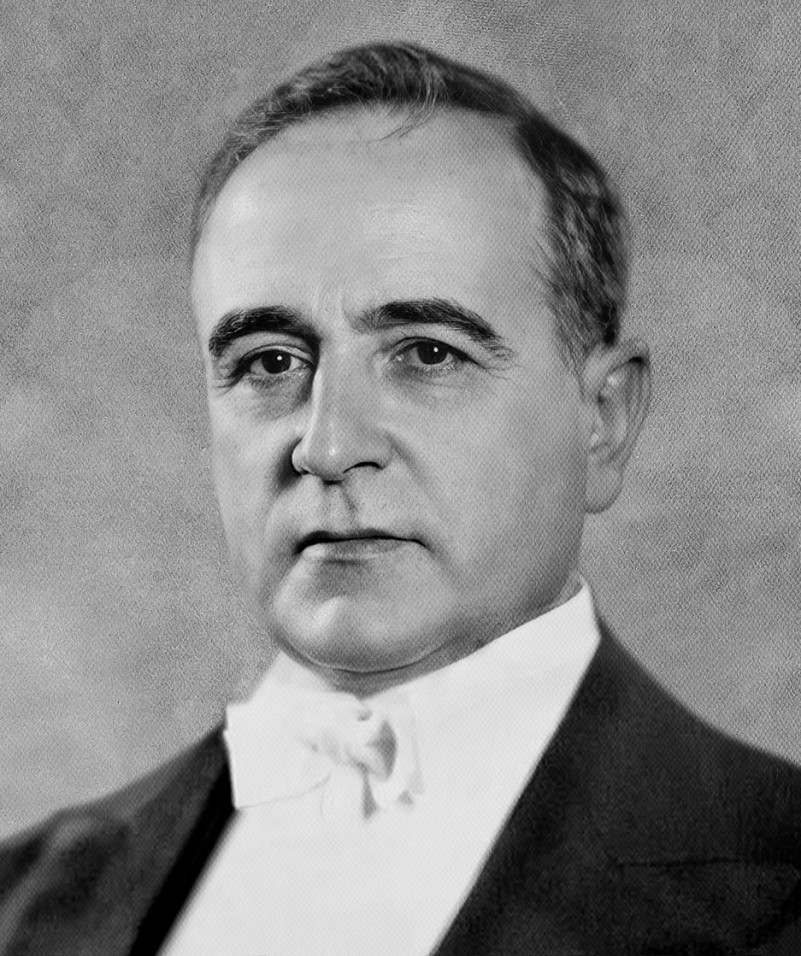
Before we get into the topic of films, we decided to give you a brief background on the life of Getúlio Vargas.
Getúlio Dornelles Vargas was born on April 19, 1882, in São Borja, Rio Grande do Sul. Coming from a wealthy family, Getúlio was the third child and had four siblings.
At the age of 16, Vargas entered the military career in a battalion in São Borja, but his career was short, as he was expelled at the age of 18.
He later rejoined the Army, but ended up requesting discharge shortly after.
In 1911, Vargas married Darcy Lima Sarmanho. Together, the couple had five children.
In 1908, Vargas was elected state deputy of Rio Grande do Sul by the PRR (Rio Grande Republican Party).
In 1922, Vargas was elected federal deputy. But it was only after the election of Washington Luís as president of Brazil that Vargas came even closer to the most important position in Brazil.
In the first two years of his term, Vargas occupied the Ministry of Finance.
And it was precisely this national projection that guaranteed his election years later.
Getúlio Vargas in the Presidency
Overall, Vargas was president of Brazil for almost 20 years. In his first term as president – from 1930 to 1945 – his government was divided into 3 phases.
1st phase – 1930 to 1934: Vargas acted as head of the so-called “Provisional Government”.
2nd phase – 1934 to 1397: Acting as president of the republic of the Institutional Government.
3rd phase – 1937 to 1945: Governed the country during the Estado Novo, after a coup d'état.
In the second period in which he governed, Vargas was elected by direct vote, and remained in power for 3 and a half years. As he was elected by vote, the process was democratic.
Therefore, Vargas tried to govern within constitutional limits. But the opposition of the National Democratic Union (UDN) contributed to marking the government with political crises.
During this term, he sought to defend a nationalist economic policy that prioritized the exploitation of national resources by state-owned companies.
And decisions like these, combined with attacks by the UDN, further weakened the government, resulting in serious political crises.
The last major event that can be considered the beginning of the end of Getúlio Vargas' government was the attack suffered by one of his opponents.
In 1954, journalist Carlos Lacerda – known for being one of Getúlio Vargas' main political opponents – was the victim of a shooting attack. It was later discovered that the person who ordered the attack was the head of security at the presidential palace at the time.
The event further worsened the crisis that the Vargas government was facing. At that moment, feeling increasingly pressured by public opinion to resign, Getúlio made the decision that went down in history.
It was on August 24, inside his room at the Catete Palace that the president committed suicide, shooting himself in the heart.
5 films about Getúlio Vargas for you to watch and learn about History
Now that you've discovered a little more about the former president's history, it's time to check out the tips we've prepared for you today!
Below, you will learn about 5 films about Getúlio Vargas – and the Vargas era – and discover some of the stories behind the politician.
Getulio (2014)
One of the highlights on our list of films about Getúlio Vargas is the 2014 feature Getúlio.
In this historical drama, we learn everything that happened in the last days of Getúlio Vargas after the attack on journalist Carlos Lacerda, causing an unprecedented crisis in Vargas' government and, later, resulting in his suicide.
In the cast, we have Tony Ramos, Drica Moraes, Alexandre Borges and Alexandre Nero.
And if you want to watch this movie, know that the feature film is available on Netflix.
Memories from Prison (1984)
A good film to study a little more about the Vargas era is “Memórias do Cárcere” released in 1984 and featuring Carlos Vereza in the main role of Graciliano Ramos.
The film that focuses on Ramos' story shows the young man being unjustly imprisoned and spending his days living with dangerous murderers and thieves.
Graciliano begins to write about the mistreatment that inmates receive in prison and the humiliating way in which they live.
With the help of his wife, he managed to publish the reports. Ramos is the same author of the successful book “Vidas Secas”.
The World in Which Getúlio Lived/ Getúlio do Brasil (1965)
This is a documentary that tells the period in which Getúlio lived and his era as president and which has two names disclosed, one of them being “Getúlio do Brasil”.
The documentary was made between 1961 and 1963 and its release was postponed due to the military coup of 1964 and was only released in 1965.
In this film we have testimonies from people who narrate the moments lived by the former president and the political and social changes that took place during the Vargas era.
Olga (2004)
Another great production to study the Vargas era is “Olga”, released in 2004 and starring Camila Morgado.
The film focuses on the life of Olga, a communist and activist who is persecuted for her political stance and flees to Moscow.
Arriving in Russia, Olga is trained by the military to lead the Communist Intentona of 1935 and is tasked with accompanying Luís Carlos Prestes back to Brazil.
The movement ends up being a failure and Olga is arrested alongside Luís Carlos and is deported by the Vargas government to Germany.
Almost eight months pregnant, Olga gives birth to her daughter inside a Nazi concentration camp and sees the danger up close alongside her daughter, Anita.
Did you like today's content? Then take the opportunity to read it too Machado de Assis: learn about the history of the master of literature