eSIM: How the technology is replacing physical chips in smartphones.
Advertisements
The mobile connectivity revolution gained new momentum with the consolidation of and yes, the virtual chip that eliminates the need for the traditional piece of plastic in modern cell phones.
This innovation reorganizes the global telecommunications infrastructure, optimizing the internal space of devices and allowing remote profile updates by operators.
There is something symbolic about this transition: plastic, which shaped the digital age, has become technical waste.
The leading manufacturers in the market are accelerating this change by removing the physical card tray in their most robust, high-tech releases.
Given this dynamic scenario, consumers seek to understand the real practical advantages, the levels of cybersecurity, and the methods for quickly activating this feature.
The change causes initial unease, but digital convenience soon swallows up the old habit of sticking a wire into the phone.
In this comprehensive article, you will understand the technical workings of this innovation and find a practical guide to migrating your product line safely.
Discover compatible models, advantages for international travel, common market myths, and the future of smart mobile connectivity.
Progress is inevitable, and frankly, the death of the physical chip is long overdue.
Summary
- What is a virtual chip and how does it work?
- What are the main practical advantages of this change?
- How can I activate it easily?
- Which smartphones already support this technology?
- Is the digital chip really secure against fraud?
- Conclusion
- Frequently Asked Questions (FAQ)
What is a virtual chip and how does it work?
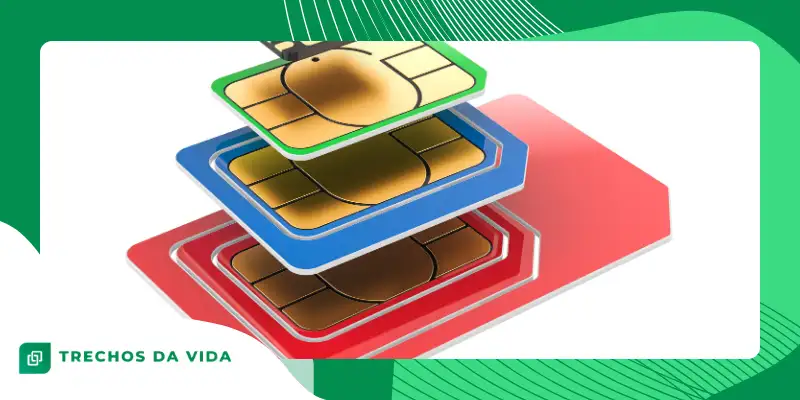
The acronym summarizes the term. Embedded Subscriber Identity Module, which consists of a microchip soldered directly onto the device's motherboard during its manufacturing.
This architecture allows for the secure storage of encrypted identification credentials, eliminating the mechanical wear and tear that often affects traditional plastic cards.
In practice, the hardware has become software, and the identity of your plan now lives in a logical layer of the ecosystem.
Through global specifications regulated by GSMA (Global mobile ecosystem association), the component enables the secure download of profiles from different mobile operators.
The user manages these subscriptions through native operating system software, without needing to handle cumbersome ejection tools.
It's the end of that chaotic search for a paperclip every time you switch carriers or travel.
The integrated circuit reprogramming is done entirely digitally, facilitating portability and plan switching in just a few moments of configuration.
This technical versatility optimizes the design of electronic devices, making room for larger batteries or new monitoring sensors.
For the industry, every square millimeter saved within the aluminum casing is worth its weight in gold.
What are the main practical advantages of this change?
Optimizing the physical space in the internal components of smartphones allows engineers to develop much thinner, more durable, and more weather-resistant casings.
The absence of a side opening for a mechanical drawer significantly improves sealing against water infiltration and thick dust.
Fewer holes in the device mean fewer vulnerable points for catastrophic everyday accidents.
Frequent users of international flights save valuable time by purchasing local data plans through mobile apps even before landing at their destination.
The flexibility of and yes It allows you to store multiple different profiles on the same device, switching between the active profiles quickly through the internal settings.
This is often misinterpreted as a luxury, but it's pure logistical efficiency for those who live on the road.
Environmental sustainability is also highlighted by the massive reduction in the production of plastic waste and carbon emissions from distribution logistics.
Large retail chains and operators reduce their operational storage costs by marketing instant digital access to customers.
Billions of plastic chips are kept out of reach of drawers or landfills every year.
+ Autonomous Wellbeing: How to Create a Personal Health Plan Using Technology and Self-Knowledge
How can I activate it easily?
The standard procedure requires the user to have an active internet connection via Wi-Fi to download the information from their contracted service provider.
The customer receives a printed or digital QR code containing the encrypted parameters necessary to validate the new profile.
The process is simple, although it crucially depends on the stability of your local network at the time of pairing.
Access the network settings menu of your mobile operating system and select the indicated option to add a new cellular plan.
Point your device's camera at the code you received and wait for the automatic data processing, which takes a few seconds.
The process is intuitive, eliminating the need for human technical support for tasks that should be purely automated.
Some phone companies already offer the direct provisioning process through their official apps, eliminating the need for validation images.
If you switch devices, simply remove the digital profile from the old device before scanning it on the new smartphone.
Losing your old phone without backing it up requires a bureaucratic visit to the service provider, a technical detail overlooked by many.
++ Technologies that help you sleep better: what really works?
Which smartphones already support this technology?
The transition to a purely digital ecosystem began with premium models, but is rapidly advancing towards the most popular mid-range devices on the market today.
Apple has been leading the way with recent releases, completely removing the physical drive slot from devices sold in select markets.
It was a drastic decision that forced the telecommunications market to react due to pure commercial pressure.
Samsung includes native support across its entire flagship lineup and expands the functionality to the latest Galaxy A series.
Manufacturers like Motorola and Xiaomi are following the global trend of connectivity, adopting integrated chips in their high-performance portfolios.
The feature is no longer a luxury differentiator but has become an engineering prerequisite.
The table below presents the technical compliance data and the adoption landscape of the digital mobile ecosystem by the leading global technology brands:
+ The Impact of Zero-Trust Technology on Personal Data Security
| Manufacturer | Compatible Lines | Type of Support | Multiple Profile Management |
| Apple | iPhone 11 to 17 Pro | Dual SIM or Fingerprint Only | Up to 8 saved profiles |
| Samsung | Galaxy S20 to S26/Z Fold and Flip | Hybrid (Physical + Virtual) | Quick toggle via menu |
| Motorola | Edge 40 to 50 Ultra / Razr | Hybrid or Pure Virtual | Configuration via network app |
| Xiaomi | Xiaomi 13 to 16 Pro / Redmi Note | Advanced Hybrid | Activation via QR Code |
Is the digital chip really secure against fraud?
Cybersecurity represents one of the most robust pillars of and yes, making criminal activity more difficult in cases of theft or loss of the smartphone.
Because the circuit is soldered onto the board, criminals cannot remove the chip to stop the device's GPS tracking. The stolen phone continues to broadcast its location on the network, which stifles the market for quick resale of stolen goods.
The process of physical cloning becomes impossible due to the strict asymmetric encryption protocols required by international data security standards.
Transferring a phone line to another device requires two-step authentication, protecting bank accounts associated with the mobile number. The notorious SIM swap scam loses its main operational tool for intrusion.
Data saved on the embedded hardware remains intact even if the operating system undergoes a forced restoration to its original factory settings.
This extra layer of protection reassures the modern user who stores confidential professional information on their daily work tools. Their mobile identity is shielded at the silicon level, far from analog hacking.
Conclusion
The consolidation of and yes It redefines our relationship with daily connectivity, transforming a bureaucratic process into a dynamic and customizable software experience.
The clear benefits in convenience, advanced security, and hardware design outweigh any initial resistance from consumers accustomed to the old model. Leaving plastic behind is a rite of passage to a cleaner internet.
Permanent migration is no longer a futuristic trend but has become an essential requirement for those seeking maximum technological efficiency.
Assess the compatibility of your next mobile device and request digital conversion from your preferred carrier to take advantage of this evolution. This is an irreversible path towards the dematerialization of our everyday accessories.
To keep up with regulatory updates and new global network connectivity standards, please refer to the technical reports provided by [source/organization name]. Anatel in Brazil.
The future of telecommunications appears to be completely free of wires, disposable plastics, and geographical barriers for citizens of the modern world. It remains for us to adapt to the speed of this new, invisible infrastructure.
Frequently Asked Questions (FAQ)
Can I transform my current physical SIM card into a virtual profile?
Yes, most carriers perform the conversion of physical lines to digital format directly in their physical stores or online channels.
The process typically invalidates the old plastic card immediately after the new encrypted activation code is successfully read.
What happens to the line if the smartphone breaks?
If the device suffers irreparable damage to the screen or battery, you will need to request a new activation code from your carrier.
The old digital profile is deactivated on the telephone company's servers for security reasons before migrating to the new device.
Is it possible to use two active data plans simultaneously?
Most modern smartphones that support the hybrid system allow two active lines to function simultaneously for calls and mobile data.
You can specify which carrier will be used primarily for internet traffic and which will manage text messages.
Does the technology consume more battery power than a traditional card?
There is no technical evidence or laboratory tests to prove an increase in electricity consumption from using the embedded virtual chip.
The component operates under the same radio frequency and energy efficiency standards established for next-generation global mobile networks.
Does the digital chip work in devices imported from other countries?
Compatibility depends on the radio frequency bands approved in the country and prior unlocking of the device's modem with the original operator.
Devices manufactured without the mechanical drawer function normally on national networks, provided they support the local signal transmission frequencies.