Colorful lakes that defy logic and modern science.
Advertisements
Colorful lakes Scattered across the globe, they cause a short circuit in our common sense: encountering a sheet of shocking pink or blood-red water is an experience that hesitates between awe and discomfort.
Pure water, as we learned in school, is colorless. But when soil chemistry and the metabolism of microscopic organisms decide to dictate the rules, the landscape unfolds in pigments that seem wrong for nature—even though they are its purest expression.
Recent geological analyses show us how variations in temperature, mineral saturation, and salinity transform ordinary bodies of water into fascinating biological microcosms, where life not only survives but thrives in extreme conditions.
Summary
- What are the most impressive colorful lakes in the world?
- How does science explain the vibrant colors of these waters?
- Where are the rarest aquatic phenomena located?
- Comparative Table of the Main Colorful Lakes
- Why does the microbiota change the color of water?
- What precautions are essential when visiting these natural wonders?
- Conclusion
- Frequently Asked Questions (FAQ)
What are the most impressive colorful lakes in the world?
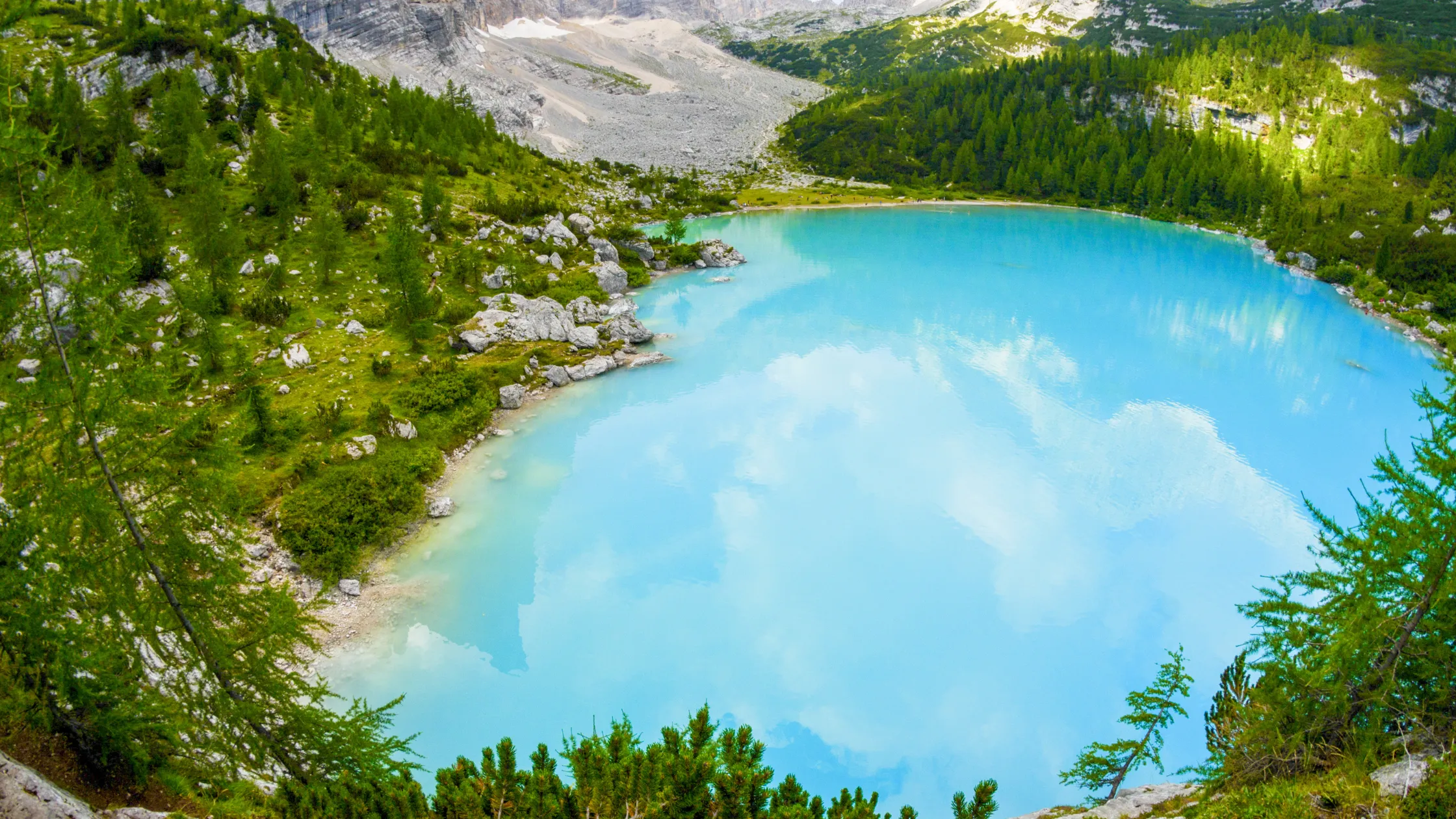
Lake Hillier in Western Australia is perhaps the most perplexing example on this list. Its bubblegum-pink hue doesn't fade—even if you collect the water in a clear glass, the color remains intact.
Unlike lagoons that change color with the seasons, this perennial pigmentation intrigues biologists. The explanation lies in the survival of endemic yeasts and specific bacteria in a hypersaline environment on the Australian coast.
In Yellowstone National Park, the Grand Prismatic Spring operates on a different visual frequency. Its concentric bands, ranging from incandescent orange to emerald green, reveal a temperature gradation that selects for different types of microscopic life.
Further south, Laguna Colorada in Bolivia blends the deep red of its waters with the white of its borax deposits. When thousands of flamingos land there, the impression is of being in front of an expressionist painting in the heart of the Andes Mountains.
There is something even more unpredictable in colorful lakes The Kelimutu volcano in Indonesia. Its three craters change color — from blue to turquoise, from green to black — without warning, a result of the constant expulsion of volcanic gases that alter the local chemistry.
How does science explain the vibrant colors of these waters?
The secret almost always boils down to brutal survival strategies. Hydrological mapping shows that microalgae such as Dunaliella salina They produce high levels of carotenoids to protect their DNA from excess ultraviolet radiation.
These pigments act as a biological sunscreen. Accumulating by the billions in shallow, very salty waters, they tint the surface with reddish hues under the midday sun.
The story gets complicated when sulfur, iron, and oxidized minerals enter the equation. The combination of local geology and sunlight alters how water refracts the visible spectrum. Analyses of NASA Earth Observatory.
They reveal how satellite monitoring tracks these color variations — which act as a real-time thermometer of the dynamics of these microbial populations.
Rayleigh scattering also comes into play: microscopic particles in suspension scatter the shorter wavelengths of light, generating that almost electric turquoise-blue color typical of glacial or volcanic waters.
Where are the rarest aquatic phenomena located?
These water basins don't appear by chance. They depend on an almost improbable geological and climatic alignment to maintain their colors without the ecosystem collapsing.
Lake Natron in Tanzania, nestled in the Rift Valley, is one of those extreme places. Its alkaline, reddish waters reach temperatures exceeding 50°C, boasting a pH close to 10.5 — alkaline enough to calcify unsuspecting animals.
In British Columbia, Canada, Spotted Lake offers a different look during the summer. As the water evaporates, deposits of magnesium sulfate form dozens of yellowish and greenish "pools," separated by hard mineral crusts.
In the high altitudes of the Atacama Desert, Laguna Verde changes its character according to the wind. When gusts stir up the copper and arsenic deposits in the seabed, the water quickly jumps from a dull hue to a brilliant turquoise.
Study these colorful lakes Scattered across the map, it goes far beyond aesthetic curiosity; it's about understanding how life can flourish in scenarios reminiscent of early Earth—or other planets.
++ How an entire city was built on top of another ancient city.
Comparative Table of the Main Colorful Lakes
| Name of the Lake | Location | Predominant Tone | Main Cause of Color |
| Lake Hillier | Australia | Shocking Pink | Dunaliella salina and archaea |
| Grand Prismatic | United States | Orange, Yellow and Blue | Thermophilic bacteria and minerals |
| Kelimutu | Indonesia | Blue, Green and Black | Change in volcanic gases |
| Laguna Colorada | Bolivia | Red and White | Sediments and carotenoid algae |
| Lake Natron | Tanzania | Deep Red | Halophilic cyanobacteria and sodium |
Why does the microbiota change the color of water?
Extremophile microorganisms inhabit unusual comfort zones. Where most life forms would melt or dehydrate, they find the perfect habitat.
Halophilic archaea use a protein called bacteriorhodopsin to synthesize energy from sunlight. The side effect of this chemical reaction is the emission of purplish reflections that cover large expanses of water.
In thermal springs, the temperature gradient dictates the distribution of life. Different colonies of photosynthetic bacteria settle in specific heat zones, drawing flawless colored rings around the hottest point.
A heavier rain is all it takes for the salinity to drop and the population of these bacteria to temporarily decrease, causing the lake's color to lose intensity for a few days.
The continued existence of these colorful lakes It depends on a delicate environmental balance. The slightest external impact on the water's chemistry can wipe out the colonies responsible for the spectacle.
++ Interesting things the body does during sleep.
What precautions are essential when visiting these natural wonders?
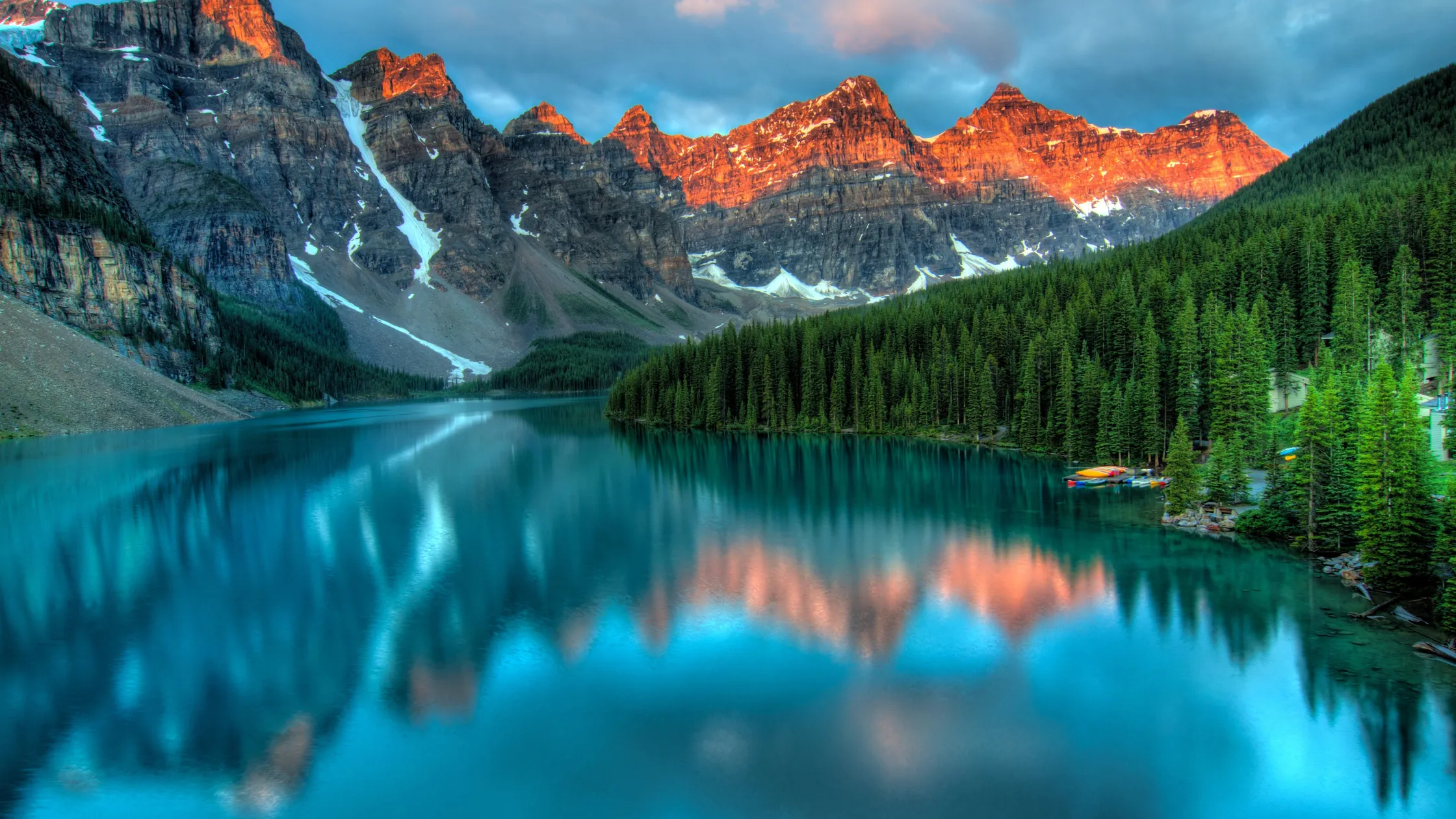
Visiting these ecosystems requires abandoning the traditional idea of aquatic tourism. In most of these areas, observation is strictly distant and regulated.
The chemistry of these waters — often corrosive, boiling, or laden with heavy metals — makes any dive a dangerous idea, in addition to contaminating the habitat with chemicals from our skin.
In highly visited areas, access is via wooden walkways. Straying from the marked route can break through millennia-old mineral crusts that take centuries to regenerate.
For photography enthusiasts, here's a practical tip: polarizing filters on the lens are essential for cutting out direct sunlight and capturing the true pigmentation of the water.
Hiring local guides and accredited researchers not only ensures safety in chemically unstable areas, but also transforms the tour into a hands-on lesson in geology and biology.
The preservation of colorful lakes It depends on us understanding that these places are not recreational swimming pools, but biological sanctuaries that deserve to be kept untouched.
++ Everyday Objects That Work Thanks to Accidental Discoveries
Conclusion
The pigmented bodies of water on our planet are visual reminders that Earth doesn't conform to our aesthetic standards. They are the result of raw biogeochemical forces operating on a microscopic and geological scale.
Between volcanic gases, solar radiation, and bacteria that seem to ignore the laws of ordinary biology, these places show us how diverse and resilient life can be when it finds the right environment.
Ensuring that these landscapes remain protected from predatory tourism is the least we can do to continue learning from them.
To learn more about international conservation policies for these rare rock formations, it is worth consulting the collection of... UNESCO World Heritage Centre.
Frequently Asked Questions (FAQ)
Is it safe to swim in colorful lakes?
Generally not. The chemistry behind these colors involves extreme acidity, high temperatures, or very high concentrations of salt and metals, making the water toxic or corrosive to human skin.
Do the lakes remain the same color all year round?
Hardly. The vibrancy of the tone varies according to the amount of rainfall, the season, the amount of sunlight, and the reproductive cycle of local microorganisms.
Why is Lake Hillier pink even in a glass?
Because the color does not come from a refraction effect of light at depth, but rather from the dense carotenoid pigment present in the cells of the microalgae and bacteria suspended in the water.
Where is the closest colorful lake to South America?
The most striking and accessible examples are in southwestern Bolivia, in the Salar de Uyuni ecosystem, where Laguna Colorada and Laguna Verde are located.