How to get rid of nail fungus quickly and at home: learn now!
Advertisements
Are you suffering from fungal infections? Learn how to get rid of nail fungus quickly and at home and take care of your health the right way.
When it comes to aesthetics – and more specifically, skin and nails – you can never be too careful. If you don’t pay enough attention to certain care, the chances of you contracting some fungus or bacteria that can put your health and well-being at risk are very high.
And one of the biggest dangers involving these issues are the dreaded mycoses. In addition to the mycoses that affect our skin, there are some types that act on the nails of the hosts, putting the health of the nails themselves at risk and compromising the aesthetics of the patient, since the nails tend to become ugly and have an unpleasant appearance.
And so the question remains: how does this type of fungus act? What are the main forms of contagion that you can avoid? That's what we'll find out in today's text!
Here, we will explore the dreaded fungal infection together to help you better understand this type of disease. In addition, we will also teach you some recipes to help you get rid of nail fungus quickly and at home!
What is a mycosis?
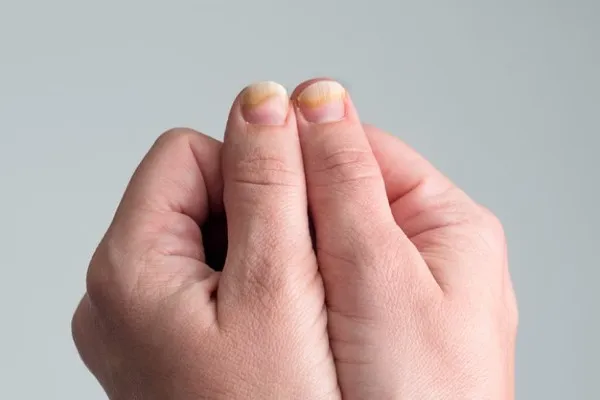
Ringworm is the term commonly used to refer to fungal infections of the skin, hair, or nails in humans and other animals. These infections are caused by dermatophytes, yeasts, or other types of fungi. Ringworm is common and can affect any part of the body, resulting in a variety of symptoms.
Symptoms of ringworm may include itching, redness, scaling, swelling, blisters, sores, or the formation of scaly patches on the skin. The site of infection can vary, and there are different types of ringworm, including:
- Tinea corporis: Ringworm of the skin, usually resulting in red, itchy circular patches.
- Tinea pedis: A fungal infection of the feet, commonly known as athlete's foot, that causes itching, scaling, and cracking between the toes and on the soles of the feet.
- Tinea cruris: Jock itch, which can lead to the appearance of red, itchy spots in the groin area.
- Tinea capitis: Ringworm of the scalp, which can cause hair loss and bald patches on the head.
- Tinea unguium: Fungal infection of the nails, which can cause nails to become thick, discolored, and brittle.
Where can we get ringworm?
Fungal infections are caused by fungi that are common in the environment and can be acquired in a number of ways. Here are some of the main ways you can catch fungal infections so you can keep an eye out for them:
Direct contact with an infected person or animal
Ringworm is often spread by direct contact with someone or an animal that has a fungal infection. This can occur through skin-to-skin contact, sharing personal items such as towels, clothing, or combs, or contact with infected pets.
Contact with contaminated surfaces
Dermatophyte fungi can survive on surfaces for some time. You can catch ringworm from coming into contact with contaminated surfaces in public places such as locker rooms, swimming pools, gyms, saunas, and communal showers.
Use of contaminated footwear and clothing
Sharing shoes or clothing with an infected person can lead to the transmission of fungal infections, especially those that affect the feet, such as athlete's foot.
Humid and warm environment
Damp, warm, poorly ventilated environments provide ideal conditions for fungal growth. Walking barefoot in places such as swimming pools, saunas, public showers, and locker rooms can increase the risk of contracting fungal infections, especially those that affect the feet.
Using shared objects
Sharing personal items, such as towels, hairbrushes, combs, manicure/pedicure tools and shoes, can lead to the transmission of fungal infections if these items are contaminated.
Wearing tight shoes
Shoes that are tight and don't allow your feet to breathe can create a favorable environment for fungus to grow and increase your risk of fungal foot infections.
How to get rid of nail fungus quickly and at home? Learn these recipes now and put them into practice!

Whether on your hands or feet, the presence of mycosis can negatively affect your health and well-being. But to help you, we have put together some homemade recipes on how to get rid of toenail mycosis quickly and at home!
However, before we get into the recipes, it is important to highlight that, despite helping to improve the appearance of nails affected by mycoses, they generally do not completely eliminate the presence of the fungi that cause these mycoses.
Treating nail fungus usually requires antifungal medication prescribed by a healthcare professional. However, here are some home remedies that may help improve the condition of your affected nails:
Foot bath with vinegar
Mix equal parts water and apple cider vinegar in a bowl. Then soak your feet in the solution for 15-20 minutes.
Then, dry your feet thoroughly after the foot bath and repeat the process daily. Vinegar can help control the growth of fungus.
Clove oil
Mix a few drops of clove oil with a teaspoon of olive oil. Apply the mixture to and around the affected nails.
Leave it on for 30 minutes and then wash it off. It is best to repeat the process daily, as clove oil is known for its antifungal properties.
Baking soda paste
Make a thick paste by mixing baking soda with water. Then, apply the paste to the affected nails and let it sit for a few minutes.
Rinse thoroughly and dry your nails. For best results, repeat the process regularly. Baking soda can help fight fungus.
Garlic
Crush a clove of garlic and apply it directly to the affected nail. Leave it on for a few minutes and then wash it off.
Repeat the process several times a day. This recipe can help you because garlic has antifungal properties.
Did you like the content we prepared today? Then I think you will also enjoy reading Dust mites in the mattress: know the symptoms and learn how to prevent them