Ways to save water and reduce consumption
Discover now some interesting and essential ways to save water and reduce consumption, avoiding waste!
Advertisements
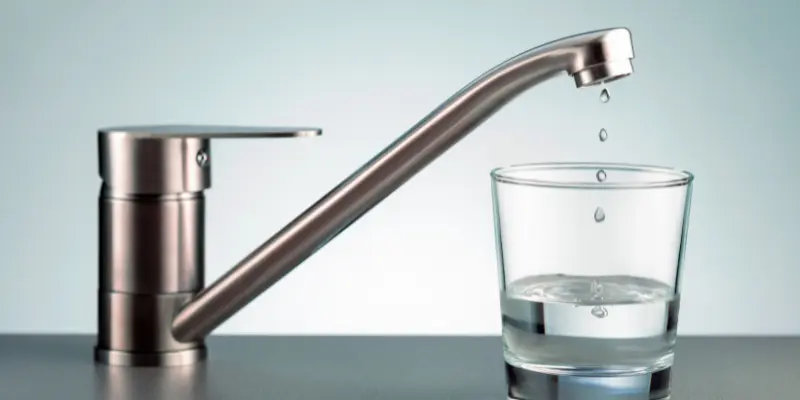
Water conservation is one of the main environmental challenges of the 21st century.
Therefore, with the increasing demand for water resources and the threat of climate change, it becomes crucial to adopt sustainable practices.
This article presents some effective ways to reduce your consumption, helping both the environment and your water bill.
++ How to dry clothes quickly: see tips that will save your day!
Ways to save water and reduce consumption
Water is a vital resource, essential for the life and well-being of societies.
However, waste and excessive consumption of this precious liquid have put its availability for future generations at risk.
In a world increasingly impacted by climate change and the growing demand for natural resources, it becomes imperative to adopt sustainable practices that promote water conservation.
Here are some effective strategies to save water and reduce consumption.
1. Install low-flow devices
One of the simplest and most effective ways to save water is the installation of low-flow devices such as showers and faucets.
In fact, these devices reduce the amount of water used without compromising efficiency.
Low-flow showerheads, for example, can reduce water consumption by up to 50%, providing significant savings over time.
In addition to showers, taps and toilets can also be adapted to more efficient models.
Faucets with aerators mix air with the water, maintaining pressure while using less water.
Low-flow toilets, on the other hand, use only 6 liters per flush, compared to 13 liters for traditional models.
In short, installing these devices is a practical way to reduce consumption without significantly changing daily habits.
Therefore, investing in efficient technology may seem expensive initially, but the savings on your water bill and the contribution to environmental preservation make up for this cost.
2. Save water: Reuse water
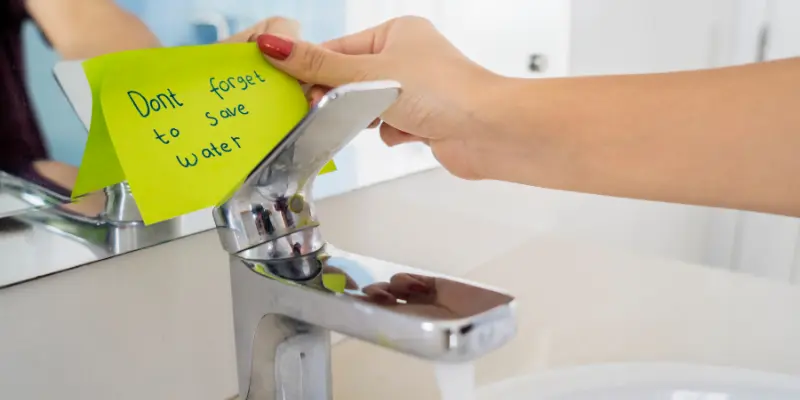
Reusing water is another smart way to save.
In this sense, rainwater collection systems, for example, allow the use of this resource for non-potable purposes, such as watering gardens and washing floors.
Collecting and storing rainwater is an ancient practice that can be easily implemented in modern homes with collection barrels and simple filtration systems.
Therefore, in addition to rainwater, the reuse of grey water from sinks, showers and washing machines is an increasingly common practice.
This water can be treated and reused for irrigation or toilet flushing, significantly reducing the demand for drinking water.
In fact, implementing water reuse systems requires some initial investment, but the benefits are long-lasting.
In addition to reducing drinking water consumption, these practices help to reduce pressure on urban supply systems.
As well as this, they contribute to the sustainability of the use of water resources.
Read also: How to make scented candles: gift options or extra income
3. Fix leaks
Leaks are one of the main causes of water waste in homes. For example, a single leak can waste thousands of liters of water per year, significantly impacting household consumption.
Therefore, identifying and fixing leaks is a simple task that can help you save water.
To identify leaks, look for signs such as damp spots on walls, floors or ceilings, as well as the continuous sound of running water.
Also, check your water bill for any unexplained increases in consumption.
Small leaks in faucets and showers can be easily fixed by replacing O-rings or cartridges.
Fixing larger leaks, such as in internal pipes, may require the help of a professional.
However, the cost of repair is offset by the reduction in water bills and the preservation of water resources.
Taking a proactive approach to maintaining the water network is essential to ensure efficient water use and achieve save water.
4. Save water, adopt sustainable habits

Changing daily habits is essential for water conservation.
In this sense, simple actions, such as turning off the tap while brushing your teeth or soaping your hands, can make a big difference.
Also, taking shorter showers and avoiding washing sidewalks with a hose are also effective practices.
Choosing efficient appliances, such as washing machines and dishwashers with an energy efficiency seal, helps to save water.
In short, these appliances use less water per wash cycle, in addition to being more energy efficient.
Another sustainable practice is the conscious watering of plants and gardens.
Watering in the morning or late afternoon, when evaporation is lower, and using drip irrigation systems are methods that reduce water waste.
The use of native plants adapted to the local climate also reduces the need for frequent irrigation.
5. Education and awareness

Education and awareness are pillars of water conservation.
Inform family, friends and the community about the importance of save water can create a significant impact.
In this way, educational campaigns in schools and communities help to form a culture of preserving water resources.
As well, promoting awareness about the value of water and the challenges associated with its supply is essential.
Furthermore, many people do not realize the complexity of the supply system and the environmental cost of wasting this resource.
Therefore, by understanding the importance of water, people tend to adopt more sustainable practices.
Community initiatives, such as creating community gardens that use efficient irrigation systems, can serve as practical examples of water conservation.
Active community participation in sustainability projects strengthens the collective commitment to preserving natural resources.
6. Save water: Participate in conservation programs
Participating in water conservation programs offered by governments and non-governmental organizations is an effective way to contribute to the preservation of water resources.
These programs often provide incentives for adopting sustainable practices.
For example, discounts on installing low-flow devices or purchasing rainwater collection systems.
Many cities offer water audit programs for homes, identifying savings opportunities and offering customized solutions.
Participating in these audits can reveal sources of water waste that are not readily apparent, allowing corrective measures to be implemented.
Additionally, collaborating with neighbors and the community on conservation projects also strengthens individual efforts.
Community-scale rainwater harvesting programs, for example, can be more effective and cost-effective than individual initiatives.
Joining efforts amplifies results and promotes a culture of sustainability.
In short, adopting these seven ways to save water and reduce consumption is essential to ensuring the availability of this vital resource for future generations.
Ultimately, small changes in daily habits, investment in efficient technology and active participation in conservation initiatives can generate a significant impact.
See also: How to pack your suitcase: organization tips to help you
Conclusion
So, did you like these tips on how to save water?
Water conservation is a collective responsibility that requires conscious and sustained action.
So by implementing these ways to save water and reduce consumption, we can not only lower our bills.
But also contribute significantly to environmental sustainability.
In short, every small change, from installing low-flow devices to participating in community conservation programs, plays a crucial role in preserving water resources.
Don't waste time and put these ideas into practice right now.