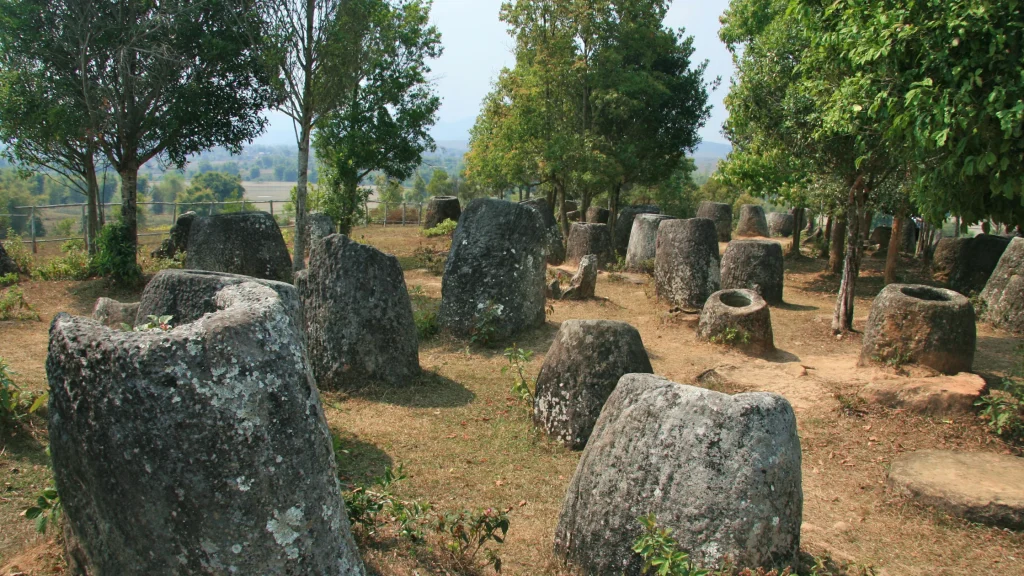
The Valley Where Stones Seem to Move on Their Own and Leave Traces on the Ground
In Death Valley National Park, the valley where stones seem to move on their own. It intrigues scientists and visitors alike due to the deep tracks etched into the arid soil.
Advertisements
This fascinating geological phenomenon has transformed Racetrack Playa into one of the most researched and visited spots in the world by lovers of science and mystery.
In this article, you will understand the exact mechanism behind the movement of the rocks, the history of scientific research in the region, and how to visit this impressive site safely.
Summary
- What is Racetrack Playa in Death Valley?
- How does the phenomenon of stone movement work?
- Who Solved the Scientific Mystery of the Sliding Stones?
- What natural factors are necessary for stones to move?
- Where is the valley located and how can I visit the region?
- Comparative Table of Stone Movement
- Conclusion
- Frequently Asked Questions (FAQ)
What is Racetrack Playa in Death Valley?
Located in California, Racetrack Playa is home to valley where stones seem to move on their own., a desert plateau that seems to have stopped in time, surrounded by austere mountains.
The floor of that ancient lake basin contorts under the sun, displaying a skin of dried clay where blocks of rock carve deep furrows without visible help.
There is something almost unsettling about noticing formations weighing over three hundred kilograms advancing hundreds of meters across that silent desert, completely unaccompanied.
With no trace of human footsteps around, the mind tends to fill the void with myths, although the attentive geological eye prefers the patience of field sensors.
The park administration treats that soil as a sensitive sanctuary, aware that any careless footprint can erase traces of centuries in seconds.
How does the phenomenon of stone movement work?
The movement of these rocks requires such a subtle climatic mechanism that nature itself can only operate it during cold winter mornings.
First comes a timid storm, just enough to create a shallow mirror of water on the soft clay, which freezes as soon as the desert night falls.
This frozen blade needs to be terribly thin: dense enough to float on the fresh mud, but without trapping the base of the rock.
At sunrise, solar radiation shatters this mirror into large floating plates, ready to sail at the slightest breath of the morning wind.
As the wind pushes the ice, the rocks slide smoothly over the lubricated mud, leaving permanent scars when the water finally evaporates.
A single gust of wind changes direction slightly for the rock's trajectory to alter its path, drawing whimsical curves or perfect straight lines on the ground.
All this spectacle unfolds at a pace almost invisible to the untrained eye, advancing only a few centimeters per second under the weight of the melting ice.
++ Plain of Jars: archaeological mystery gains new explanation
Who Solved the Scientific Mystery of the Sliding Stones?
It was up to oceanographer Richard Norris and his brother James to break the supernatural aura of valley where stones seem to move on their own., armed with technology and perseverance.
They installed high-precision GPS units inside samples brought from outside the dry beach, avoiding altering the basin's original ecosystem.
The work required years of patient waiting in the extreme cold, until, on a winter expedition, the physics finally revealed itself on camera.
The instruments confirmed what the theory predicted: hundreds of rocky blocks sliding together under the thrust of ice floes propelled by the breeze.
To deepen your knowledge of desert geology and national park preservation, consult the official website of... National Park Service for complete conservation guides.
The discovery debunked decades of outlandish narratives about magnetic anomalies and space visitors, which frequently filled sensationalist programs on broadcast television.
It has been demonstrated that systematic empirical observation is often the definitive remedy against magical explanations for perfectly earthly phenomena.
++ The Most Valuable Objects Ever Found by Chance
What natural factors are necessary for stones to move?
The rarity of the event explained in valley where stones seem to move on their own. The problem lies in the fragility of the four atmospheric gears involved in this physical equation.
The initial water level needs to be the exact depth, because excessive rainfall would flood the rocks and prevent the ice from being lifted by the wind.
The nighttime cold must be severe enough to crystallize the water film without creating a solid, immobile block around the rock.
The morning sun enters as a liberating element, fracturing the frozen sheet into moving plates that act like sails under the action of air currents.
Finally, the wind needs to blow with the right intensity: strong enough to move the ice mass, but without breaking the floating panels prematurely.
A millimeter variation in ice thickness or breeze speed causes the mechanism to jam, keeping the stones stationary for years on end.
For this reason, very few researchers have witnessed the phenomenon with the naked eye, making each sighting a truly exceptional event for geology.
++ Why do certain regions register above-average disappearance rates?
Where is the valley located and how can I visit the region?
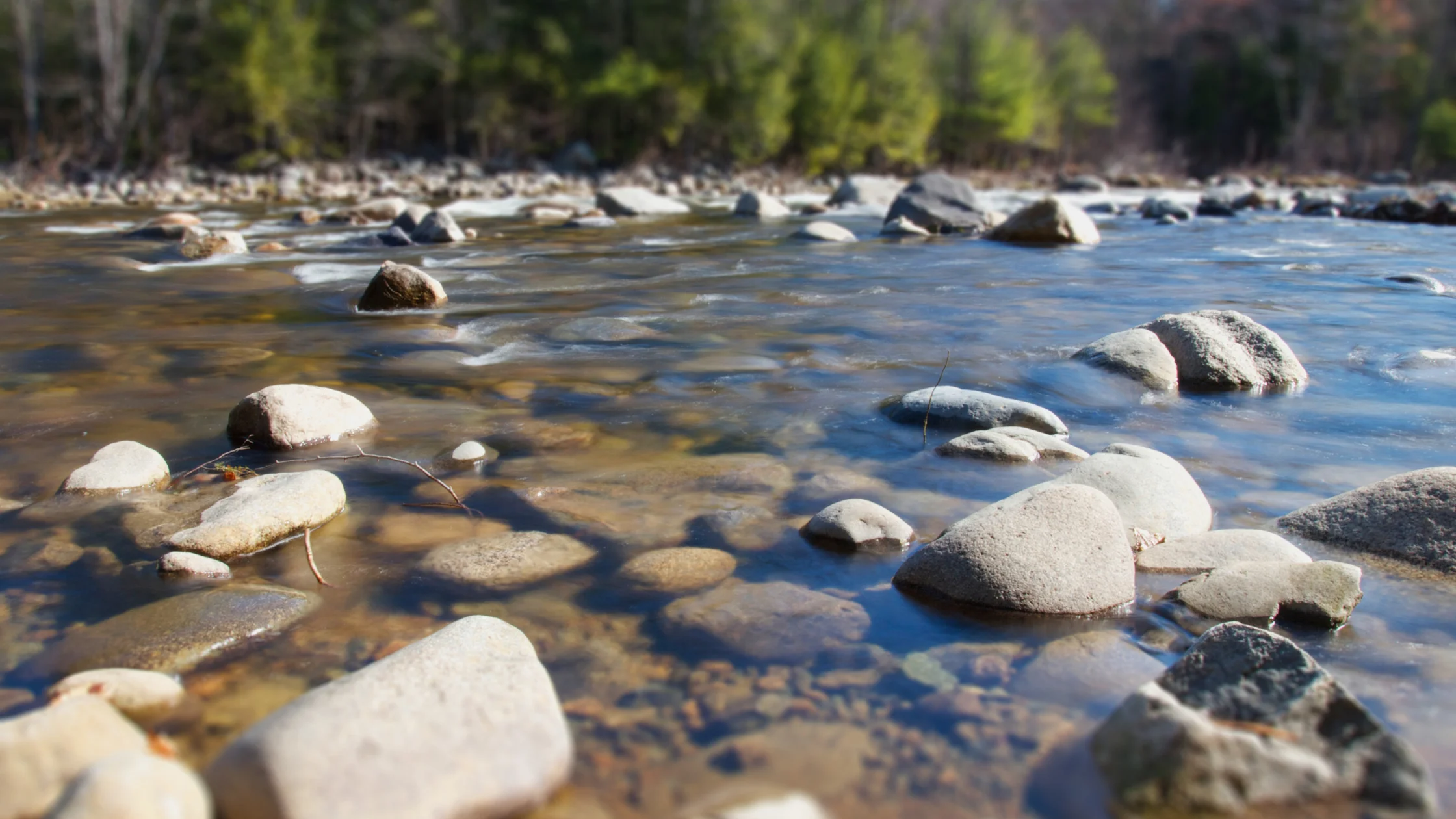
Finding Racetrack Playa requires a willingness to face the thermal and geographical isolation of Death Valley, on the border between California and Nevada.
The journey requires all-wheel drive vehicles with tires suitable for rocky terrain, as the access roads are rustic and poorly maintained.
The complete absence of cell phone signal makes it mandatory to carry emergency supplies, including extra drinking water, fuel, and satellite navigation.
The ideal window for exploration is from late autumn to early spring, when desert temperatures cease to be lethal.
Stepping in the damp mud of valley where stones seem to move on their own. This is a serious mistake, as human footprints can remain fossilized in that soil for decades.
The preservation of that ecosystem depends entirely on the moral rigor of the visitor, who must admire the landscape without touching the rocks or violating the markings.
Those who prepare properly discover one of the most rugged and fascinating geological landscapes in North America, where the Earth reveals its silent dynamics.
Comparative Table of Stone Movement
The table below summarizes the main variables recorded during the scientific monitoring of rock movement in the Racetrack Playa region of Death Valley.
| Geological/Climatic Variable | Ideal Condition Recorded | Impact on Rock Displacement |
| Ice Thickness | 3 to 6 millimeters | Allows it to float without getting stuck on the rock. |
| Wind Speed | 10 to 15 km/h | Push the ice floes with constant force. |
| Water Depth | 7 to 10 centimeters | Creates a fluid surface beneath the frozen layer. |
| Speed of Movement | 2 to 5 meters per minute | Smooth and continuous movement over the clay. |
| Event Duration | 15 minutes to 2 hours | It occurs while the sun breaks up the ice. |
Conclusion
Unraveling the dynamics of valley where stones seem to move on their own. It reminds us how nature often hides its most elegant solutions beneath apparent mystery.
The perfect encounter between morning frost, a sheet of water, clayey mud, and wind transforms that inhospitable environment into a scene of continuous transformation.
Maintaining this basin intact requires continuous respect for visitation rules, ensuring that the local geology follows its course without destructive interference.
Understanding the mechanics behind sliding stones broadens our perception of the invisible processes that shape the surface of our planet.
To continue exploring the geological and environmental wonders of our planet, read complete and verified articles on the portal. United States Geological Survey for up-to-date scientific data.
Frequently Asked Questions (FAQ)
Do the stones in Death Valley move while people are watching?
The movement happens in real time, but the pace of a few centimeters per minute requires patience and fixed reference points to be perceived.
Is it true that gravity is different at Racetrack Playa?
The acceleration due to gravity there is perfectly normal; the impression of mysterious force comes from the combined action of ice, water, and wind on the ground.
Can anyone visit the site of the phenomenon?
The area is open to visitors, provided they travel in vehicles suitable for unpaved roads and respect the park's strict conservation rules.
What happens if someone removes a stone from its place?
Removing rocks from the reserve constitutes a federal crime in the United States, subject to heavy fines and criminal penalties imposed by environmental authorities.
How many stones move at the same time on a dry beach?
Under ideal weather conditions, dozens of rocks can slide simultaneously, propelled by the movement of large ice floes in the temporary lagoon.