Nighttime Flavor Tourism: Markets and Gastronomic Fairs that Only Happen at Night
Nighttime Flavor Tourism transforms ordinary trips into unique sensory journeys, where travelers explore markets and food fairs that only come to life at nightfall.
Advertisements
This modality attracts those seeking authentic experiences, away from the daytime crowds, immersing themselves in cultures through aromas and flavors that intensify under artificial lights.
Furthermore, she argues for a redefinition of travel time, prioritizing nighttime to avoid excessive heat and capture the vibrant essence of local communities.
Find out more below!
Night Flavor Tourism
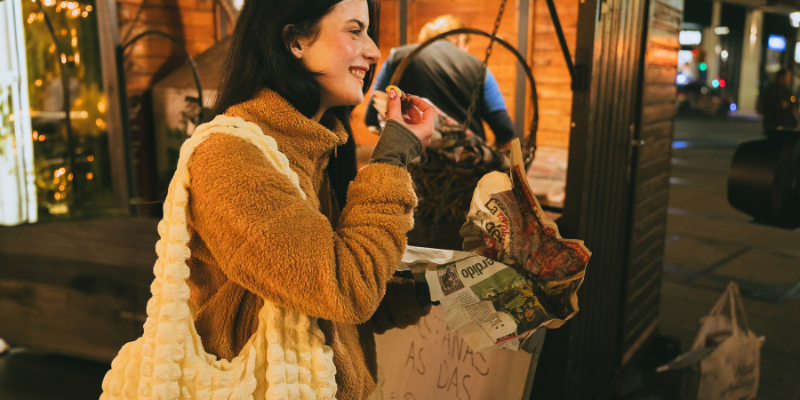
At first, tourists discover not only dishes, but social narratives that unfold in tents lit by LED lights and campfires.
On the other hand, Nighttime Flavors Tourism highlights innovation in destinations that adapt their offerings to the nighttime, creating parallel economies that benefit street vendors and artisan producers.
In contrast to daytime tourism, this smart approach reduces environmental impact by distributing visitor flows throughout the day, promoting sustainability.
Consequently, cities like Taipei and Marrakech have seen their streets transformed into culinary stages, where each bite reveals layers of history and tradition.
Thus, engaged travelers argue that this form of tourism enriches the cultural repertoire, making each night an opportunity for deep connections.
Furthermore, Nighttime Flavors Tourism encourages an argumentative view on the value of gastronomy as a tool for social inclusion, as night markets often employ minorities and immigrants, diversifying food options.
++ How to Secure Your Home Before Traveling (Quick Checklist)
For example, in nighttime environments, flavors blend in unpredictable ways, creating fusions that challenge accustomed palates.
Therefore, this modality not only entertains, but educates, showing how the act of eating at night can be an act of cultural resistance against global homogenization.
In short, it invites intelligent exploration, where the night becomes the canvas for flavors that the day ignores.
++ Anniversary Travel: How to Create an Unforgettable Celebration in Another Place
Benefits and Attractions
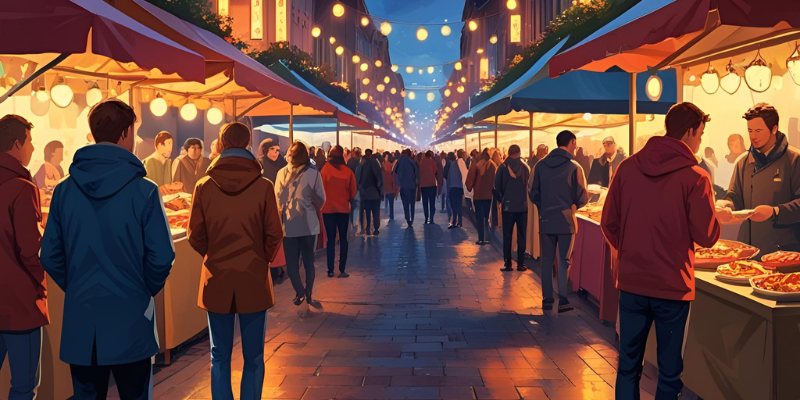
The benefits of Night Flavor Tourism go beyond immediate pleasure, arguing for improved mental health through relaxing experiences in fresh, less crowded environments.
Additionally, tourists save time by combining meals with evening entertainment, optimizing travel itineraries.
Therefore, this smart approach appeals to families and groups who prefer flexible schedules, turning evenings into collective memories.
Consequently, destinations that invest in safe lighting and nighttime transportation see an increase in local engagement, strengthening community ties.
On the other hand, the Tourism Night Flavors promotes the preservation of culinary traditions that could be lost in the fast pace of the day.
In contrast, night markets offer fresh ingredients harvested at dusk, increasing the quality of the dishes.
Thus, travelers argue that this modality promotes fair trade, as direct sellers receive full profits without intermediaries.
It also encourages creativity, with chefs improvising under the stars, creating dishes that blend global influences in an authentic and innovative way.
Therefore, Nighttime Flavors Tourism positions itself as a sustainable alternative to mass tourism, reducing wear and tear on historic sites during the day.
Consequently, it attracts a more conscious audience, who value positive impacts on the local economy.
For example, in night markets, the aromas of spices permeate the humid night air, creating an immersive atmosphere that the sun would overshadow.
Thus, this form of tourism not only satisfies the appetite but nourishes the soul, arguing for the expansion of operating hours in global destinations.
Innovative Examples in Night Flavor Tourism
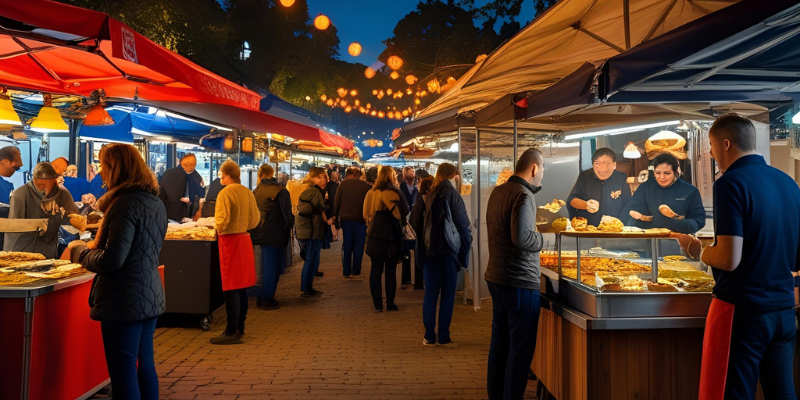
Image: Canva
In the heart of Marrakech, Jemaa el-Fnaa awakens at night as an original example of Night Flavor Tourism, where storytellers mingle with steaming stalls selling tagines and harira.
Additionally, tourists navigate mazes of stalls offering couscous seasoned with ras el hanout, harvested fresh from the Atlas Mountains, creating a symphony of flavors that echoes Berber heritage.
Therefore, this market argues for nocturnal superiority, as the freshness of the night desert preserves the aromas, making each bite a journey through time.
Consequently, visitors discover fusions like kebabs with French influences, adapted by local vendors for international palates.
Meanwhile, in Taipei, Shilin Night Market emerges as another original example, transforming ordinary streets into a nighttime flavor festival with crispy oyster omelets and innovative bubble teas.
In contrast to daytime markets, here chefs prepare stinky fermented tofu under neon lights, drawing crowds who debate the benefits of overnight fermentation to intensify flavors.
Thus, Night Flavor Tourism in this location promotes social interactions, where groups share dishes such as grilled chicken feet, arguing for culinary boldness as a cultural bridge.
Additionally, vendors incorporate technology, using apps for quick ordering, elevating the experience to modern levels.
Therefore, these examples illustrate how Night Flavors Tourism innovates by integrating entertainment, such as local musicians in Marrakech or street games in Taipei.
Consequently, tourists leave enriched, with full stomachs and expanded minds.
For example, imagine comparing Moroccan tagine to Taiwanese tofu: both defy expectations, proving that night reveals flavors that day hides.
Thus, these markets do not repeat formulas, but reinvent traditions, making each visit a unique and intelligent narrative.
Economic and Cultural Impacts of Flavor Tourism
The economic impact of Nighttime Flavors Tourism is revealed in impressive statistics, such as the fact that the global culinary tourism market reached US$1.5 billion in 2023, with projected compound annual growth of US$1.5 billion by 2032, driven in part by nighttime experiences.
Therefore, destinations that adopt this modality see revenues double, as tourists spend more during extended hours.
Consequently, local communities argue for expansion, citing jobs created for night cooks and guides.
Furthermore, this statistic highlights how night markets contribute 20-30% of tourism GDP in Asian cities.
On the other hand, culturally, Night Flavor Tourism preserves endangered heritages, such as ancestral cooking techniques that flourish at night.
In contrast, it counters globalization by prioritizing local ingredients, strengthening regional identities.
So engaged travelers debate its relevance, noting how analogies apply: exploring a night market is like navigating an underground river of flavors, where hidden currents reveal unexpected treasures beneath the dark surface.
Therefore, this intelligent approach fosters intercultural dialogues, transforming evenings into living history lessons.
Consequently, the impacts extend to sustainability, with night markets reducing waste by selling daily produce.
Besides, why settle for routine daytime meals when the night offers an explosion of flavors that awaken the senses in unpredictable ways?
Thus, Night Flavors Tourism argues for government investment, proving its value through statistics and analogies that connect the ephemeral to the eternal.
Smart Tips for Exploring Nightlife Tourism
Experienced travelers plan their Night Flavors Tour by researching local apps for market maps, ensuring safe navigation at night.
Additionally, they prioritize public transportation or rideshares, avoiding unnecessary risks.
So start early in the evening to capture the transition, when stalls light up and aromas intensify.
Consequently, this strategy maximizes experiences, allowing you to try multiple dishes without rushing.
On the other hand, focus on hygiene when choosing busy stalls, a sign of freshness and turnover.
In contrast, avoid excess calories by mixing light and heavy dishes, maintaining balance.
Thus, tourists argue for the importance of interacting with vendors, learning the stories behind the flavors.
Also, bring reusable bottles for drinks, promoting sustainability in nightlife settings.
Therefore, incorporate technology such as language translators for accurate orders, enriching interactions.
Consequently, record memories with discreet photos, respecting local privacy.
For example, at night markets, test for allergies before trying anything to ensure safety.
So, these tips will turn nights into smart and memorable adventures.
| Night Market | Location | Typical Dishes | Average Hours | Unique Attractions |
|---|---|---|---|---|
| Jemaa el-Fnaa | Marrakech, Morocco | Lamb tagine, harira, couscous | 6pm to 2am | Storytellers and Berber music integrated into the tents |
| Shilin Night Market | Taipei, Taiwan | Oyster omelet, stinky tofu, bubble tea | 5pm to 1am | Modern mergers with app-based ordering technology |
| Asiatique Riverfront | Bangkok, Thailand | Late night pad thai, mango sticky rice, grilled seafood | 4pm to midnight | View of the Chao Phraya River with occasional fireworks |
| Donghuamen Night Market | Beijing, China | Fried scorpions, dumplings, caramelized fruits | 6pm to 11pm | Exotic experiences with ancient imperial influences |
Frequently Asked Questions
| Question | Response |
|---|---|
| Is Nightlife Tourism safe for families? | Yes, many markets invest in lighting and police security, but choose destinations with good reviews and avoid isolated areas. Also, travel in a group for peace of mind. |
| How to deal with dietary restrictions at night markets? | Ask vendors directly about ingredients, using translation apps. Therefore, opt for stalls that offer vegan or gluten-free options, which are common in international markets. |
| What is the average cost for a night at a night market? | It ranges from R$$50 to R$$200 per person, depending on the destination. Therefore, try small portions to experience more without spending too much. |
| Do I need guides to explore these markets? | Not necessarily, but local guides enrich the experience with cultural stories. On the other hand, digital maps are sufficient for beginners. |
| How does Night Flavor Tourism affect the environment? | Positively, by distributing tourists and reducing daytime energy use. Therefore, choose markets that promote zero waste for minimal impact. |
Conclusion: Embracing Flavor Tourism
In short, Nighttime Flavor Tourism redefines travel by prioritizing nights as moments of profound culinary discovery.
Therefore, global destinations must invest in infrastructure to capture this growing potential.
Consequently, tourists leave transformed, with expanded palates and strengthened cultural connections.
Furthermore, by integrating statistics, examples and analogies, we see how this modality argues for an evolution in tourism.
On the other hand, challenges like security require intelligent approaches, but the benefits outweigh them.
So, embark on this nocturnal journey and discover flavors that illuminate the darkness.