Tips for reducing plastic consumption in the kitchen.
Advertisements
Here are some tips for you now. reduce plastic consumption in the kitchen and help preserve the environment for future generations!
Continue reading to learn more:
Read also: Cooktop or traditional stove? Pros and Cons of Each Option
Tips for reducing plastic consumption in the kitchen.
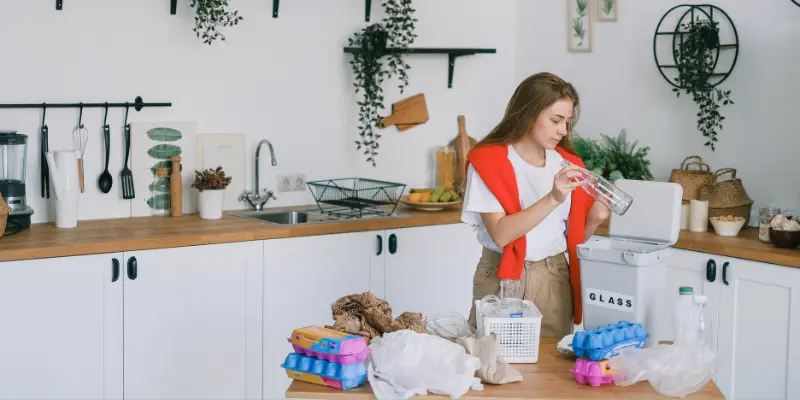
Plastic consumption is a global problem that directly impacts the environment.
And the kitchen, being one of the most used spaces in the house, is one of the places where this issue can be addressed in a meaningful way.
Implementing changes to reduce plastic consumption in the kitchen not only helps the planet, but can also bring benefits to your health and your wallet.
In this article, we will discuss, in a creative, practical, and intelligent way, valuable tips for reducing plastic use in your daily kitchen routine.
1. Adopt Reusable Bags and Packaging
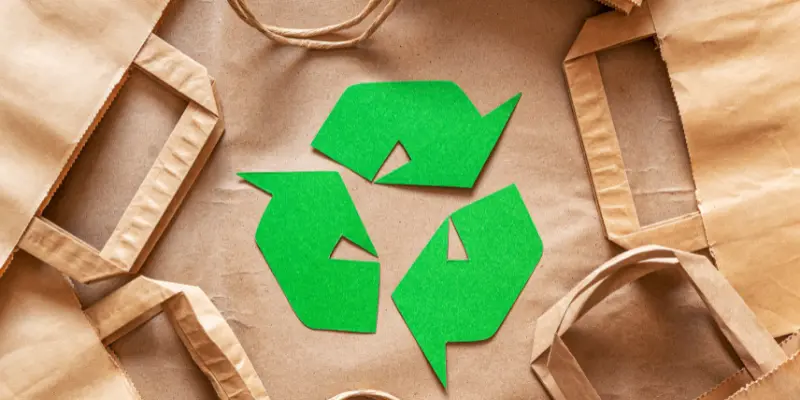
The first step to reducing plastic consumption in the kitchen is to replace disposable plastic bags with reusable options.
Although many people are already used to using cloth bags at the supermarket, this habit can extend to buying fruits, vegetables, and other fresh produce.
When we use reusable bags, in addition to contributing to the reduction of plastic waste, we are helping to decrease the production of new plastic.
The impact of plastic on the environment is widespread, as it takes centuries to decompose and, over time, releases microplastics that contaminate wildlife.
Furthermore, the production of plastic requires a huge amount of petroleum, a non-renewable resource.
You can invest in cloth bags, cotton bags, or even wire nets for fruits and vegetables. Another tip is to reuse glass jars and metal containers to store bulk foods.
This avoids the use of plastic packaging and also better preserves the quality of the food.
In the long run, these practices can represent savings, since you won't need to replace bags and containers as often.
Table: Comparison between Plastic Packaging and Reusable Alternatives
| Item | Plastic Packaging | Reusable Alternatives |
|---|---|---|
| decomposition time | Up to 400 years | 6 months to 5 years (depending on the material) |
| Environmental impact | High (release of microplastics) | Low (less waste generation) |
| Long-term cost | High (need for replacement) | Low (one-time initial investment) |
| Durability | Limited | High (can be used multiple times) |
2. Avoid single-use plastics when preparing and storing food.
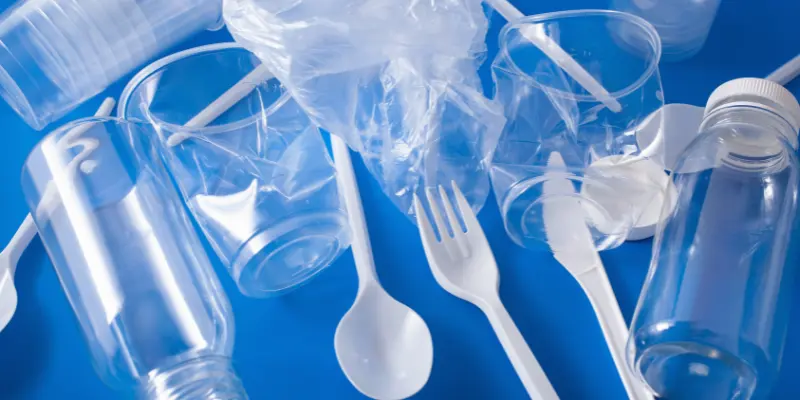
Another crucial point for reducing plastic consumption in the kitchen is to avoid using disposable plastics during food preparation and storage.
One of the biggest sources of waste is the use of plastic wrap to cover containers and store leftover food.
The good news is that there are several environmentally friendly and effective alternatives for this.
A practical and sustainable solution is beeswax wraps.
These cloths are reusable, moldable, and can be used to cover bowls, plates, or even wrap fruits and vegetables.
They efficiently replace plastic wrap and, in addition to helping reduce the amount of plastic used, have a much longer lifespan, decreasing the need for recurring purchases.
In addition to beeswax cloths, glass jars with silicone lids.
Likewise, stainless steel containers and bowls with adjustable lids are other alternatives that can be used both for storing food in the refrigerator and for taking it to work or school.
It's worth remembering that, although silicone lids are also derived from synthetic materials, their durability and reusability make them more advantageous compared to disposable plastic.
++ How to make homemade liquid soap? 4 simple recipes
Table: Alternatives to Plastic Film and Plastic Bags
| Use | Conventional Plastic | Suggested Alternatives |
|---|---|---|
| To cover food | Plastic film | Beeswax wraps, silicone lids |
| Storing food | Plastic bags, disposable containers | Glass jars, stainless steel containers, reusable bowls |
| Bring food | Plastic bags, disposable lunch boxes | Reusable thermal bags, silicone containers |
3. Reduce plastic consumption in the kitchen: Buy in bulk and avoid unnecessary packaging.
Another efficient way to reduce plastic consumption in the kitchen is to opt for bulk purchases.
Increasingly, supermarkets and local markets are offering this option, allowing customers to bring their own reusable containers and bags to store dry goods.
For example, rice, beans, pasta, and spices, as well as fresh produce like vegetables and fruits.
By buying in bulk, you not only eliminate the need for plastic packaging, but you can also buy the exact amounts you need, avoiding waste.
This habit also allows for greater awareness of the amount of food we consume and the impact each package can have on the environment.
Furthermore, some packaged foods, such as vegetables in styrofoam trays, end up being damaged by the packaging itself, which reduces the quality of the product.
It's important to note that by choosing stores that offer bulk products, we are also supporting a circular economy.
Since we encourage the conscious use of resources and the reduction of waste.
For those with limited access to this type of store, a good alternative is to prioritize brands that use biodegradable or recyclable packaging.
Table: Advantages of Bulk Purchases
| Advantages | Explanation |
|---|---|
| Reducing plastic packaging | Eliminates the need for plastic bags and containers. |
| Purchase in the required quantity. | Avoid food waste. |
| Support for local businesses | It encourages conscious and sustainable consumption in local stores. |
| Financial economics | Often, buying in bulk can be cheaper. |
4. Reduce plastic consumption in the kitchen: Replace kitchen utensils with sustainable versions.

Plastic is present in many kitchen utensils, such as spoons, spatulas, cutting boards, and containers.
However, replacing these items with more durable and eco-friendly versions is an excellent way to reduce plastic consumption in the kitchen.
Utensils made of wood, bamboo, or stainless steel are great alternatives to plastic because they are more durable and, in the case of wood and bamboo, biodegradable.
Furthermore, bamboo is a material that regenerates quickly, making it an environmentally responsible choice.
Replacing plastic cutting boards with bamboo ones, for example, is a small change that can have a big impact.
Another tip is to replace plastic containers with glass or ceramic ones.
In addition to being more attractive and durable, these materials do not release harmful chemicals when heated, making them safer for storing hot food or microwaving it.
This transition can be done gradually, replacing items as they wear out or break.
Table: Comparison between Plastic and Sustainable Kitchen Utensils
| Item | Plastic | Sustainable Alternative |
|---|---|---|
| Spatulas and Spoons | Plastic (limited durability) | Wood, bamboo or stainless steel (durable) |
| Cutting Boards | Plastic (risk of contamination) | Bamboo or wood (biodegradable) |
| Storage containers | Plastic (release of toxins) | Glass, stainless steel or ceramic (inert materials) |
5. Prioritize sustainable and plastic-free cleaning products.
Plastic consumption in the kitchen is not limited to food and utensils, but also includes the cleaning products we use.
Detergents, sponges, and even cleaning cloths often come packaged in plastic or contain microplastics, which end up breaking down and polluting the environment.
A smart way to get around this problem is to opt for sustainable cleaning products, such as bar soaps or concentrated detergents sold in bulk.
Some brands also offer detergent refills in recyclable packaging, which reduces the amount of plastic consumed.
In addition, you can replace synthetic sponges with options made from natural materials, such as vegetable sponges or wooden brushes with biodegradable bristles.
+ Tips for Reducing Consumption of Processed Foods
Another interesting alternative is to make your own cleaning products with homemade and eco-friendly ingredients, such as vinegar, baking soda, and essential oils.
These solutions not only reduce the use of plastic packaging, but are also safer for health, avoiding contact with toxic chemicals.
Table: Sustainable Alternatives for Cleaning Products
| Product | Conventional (Plastic) | Sustainable Alternative |
|---|---|---|
| Detergent | In plastic bottles | Bar soap, bulk refills |
| Sponges | Synthetic (contain microplastics) | Vegetable sponges, wooden brushes |
| Cleaning cloths | Microfiber (contains plastic) | Reusable cotton or hemp cloth |
Reducing plastic consumption in the kitchen: Conclusion
Reducing plastic consumption in the kitchen requires changes in habits, but it brings numerous benefits to both the environment and our health and well-being.
By adopting reusable alternatives, buying in bulk, investing in sustainable utensils, and prioritizing eco-friendly cleaning products.
In this way, you not only minimize your environmental impact, but you also save money in the long run and live in a more conscious and responsible manner.
Remember that every little action counts.
Replacing plastic bags with reusable ones, avoiding disposable plastics, and investing in durable materials are simple yet powerful steps toward building a more sustainable future.