Little-known but unmissable World Heritage sites
Advertisements
Little-known World Heritage sites: iImagine a world map where, in addition to famous tourist attractions, there are rare gems that whisper stories of ancient civilizations.
As well as unique ecosystems and cultural legacies that have shaped the world.
These are the lesser-known World Heritage sites, recognized by UNESCO for their universal value, but often overshadowed by more popular destinations like Machu Picchu or the Pyramids of Giza.
So why not explore beyond the obvious and discover places that offer not only beauty, but also a deep connection with history and nature?
Find out everything below!
Little-known World Heritage sites
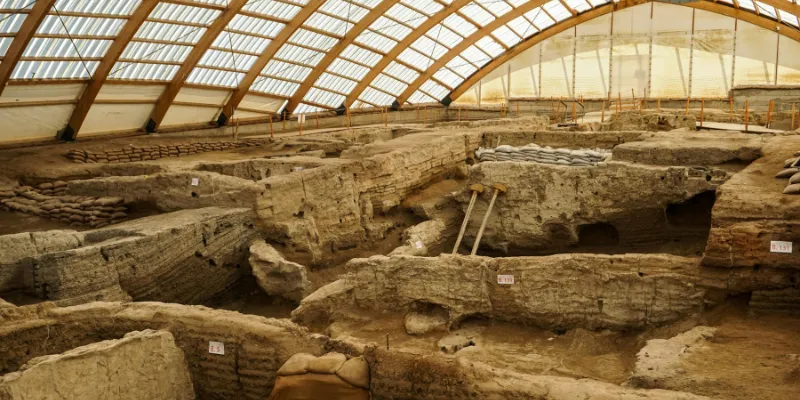
UNESCO, responsible for cataloging these treasures, currently lists 1,199 world heritage sites, including 933 cultural, 227 natural, and 39 mixed sites, spread across 168 countries.
However, an intriguing statistic reveals that around 60% of these sites receive fewer than 100,000 visitors annually, while destinations like the Colosseum in Rome attract millions.
++ What else is there to visit in the ancient Inca cities besides Machu Picchu?
This disparity highlights the opportunity to explore less crowded places, where the experience is more intimate and the cultural impact is deeper.
So, when planning your next adventure, consider lesser-known World Heritage sites as gateways to unique narratives, far from the crowds.
Think of these sites as rare books in a global library: each one holds a story that few have read, but which carries immeasurable value.
From archaeological ruins that defy time to natural landscapes that seem painted by a cosmic artist, these destinations offer a journey through time and space.
Let's explore two fascinating examples, along with tips for enjoying these wonders, with arguments showing why they're worth including in your itinerary.
Why explore lesser-known World Heritage sites?
Firstly, visiting lesser-known World Heritage sites is a chance to escape mass tourism.
Places like the Acropolis in Athens or the Taj Mahal, while magnificent, often require travelers to endure endless queues and crowded spaces, which can dilute the experience.
++ Impact Tourism: How to Leave a Positive Legacy in Every Place You Visit
Conversely, less famous sites offer a more tranquil environment, allowing for a more authentic connection with the place.
Imagine walking through ancient ruins with only the sound of the wind as company, or exploring a nature reserve without having to fight for space to take a photo.
This exclusivity transforms the trip into something memorable and personal.
Furthermore, these destinations often preserve histories that challenge conventional narratives.
Many little-known sites bear witness to civilizations or ecosystems that do not appear in the most popular textbooks, but which shaped the course of humanity.
By visiting them, you not only appreciate their beauty, but you also become part of a preservation movement, since responsible tourism helps to finance the conservation of these places.
For example, by choosing less explored destinations, you contribute to the local economy of communities that depend on sustainable tourism, instead of feeding large tourism conglomerates.
Finally, the discovery of lesser-known heritage sites stimulates intellectual curiosity.
Each site is an invitation to learn about cultures, architectural techniques, or natural phenomena that you may never have considered.
Instead of following predictable scripts, why not challenge yourself to explore the unexpected?
These places offer an opportunity to broaden your horizons, connecting you to a global legacy that transcends borders and eras.
Two Examples of Little-Known World Heritage Sites
Image: Canvas
1. Göbekli Tepe, Türkiye: The Cradle of Civilization
Located in southeastern Turkey, Göbekli Tepe is an archaeological site that rewrites the history of humanity.
Dating back to around 9600 BC, this temple complex is considered the oldest known religious monument, predating Stonehenge and the Egyptian pyramids by thousands of years.
++ Geographic journeys: crossing the Tropic of Capricorn
Unlike the grand monuments we associate with antiquity, Göbekli Tepe was built by hunter-gatherers, challenging the idea that only complex agricultural societies could create monumental structures.
Its T-shaped columns, decorated with reliefs of animals and human figures, suggest a sophisticated belief system.
Despite its importance, Göbekli Tepe remains off the radar for many travelers.
The Şanlıurfa region, where it is located, is less touristy than Istanbul or Cappadocia, which guarantees a more intimate visit.
Walking among the ruins is like leafing through a history book still being written, where each stone raises questions about the origins of human spirituality.
Furthermore, the proximity to other regional attractions, such as the historic city of Harran, allows for combining the visit into a culturally rich itinerary.
To make the most of it, plan your trip between spring and autumn, when the weather is milder.
Local guides offer detailed tours, explaining theories about the site's purpose, ranging from a ceremonial center to a possible astronomical observatory.
Thus, Göbekli Tepe is not just a destination, but a window into the dawn of civilization, where the past comes to life.
2. Tongariro National Park, New Zealand: Where Nature Tells Stories
On New Zealand's North Island, Tongariro National Park is a mixed heritage site that combines breathtaking volcanic landscapes with deep cultural significance for the Māori people.
Recognized by UNESCO in 1990, the park is home to active volcanoes, such as Ngauruhoe, which served as the setting for Mount Doom in the trilogy. The Lord of the Rings.
Its emerald craters, vibrantly colored lakes, and lava fields create a landscape that seems to belong to another planet.
Although New Zealand is famous for its natural beauty, Tongariro is often overshadowed by destinations like Milford Sound.
However, its uniqueness lies in the fusion of natural and cultural elements.
For the Māori, volcanoes are sacred, associated with legends of gods and ancestors.
Visiting it is an opportunity to learn about this worldview, especially on guided tours led by members of the local community.
Furthermore, the Tongariro Alpine Crossing, a 19.4 km trail, is one of the most spectacular day hikes in the world, offering panoramic views and an immersion in living geology.
The best time to visit is during the New Zealand summer (December to February), when the trails are most accessible.
However, be prepared for rapid climate changes, typical of volcanic environments.
With an infrastructure that promotes sustainable tourism, Tongariro is an invitation to reflect on the relationship between humanity and nature, a dialogue that resonates with every step through the park.
Benefits of Exploring These Hidden Treasures
First and foremost, visiting lesser-known World Heritage sites promotes a more authentic travel experience.
Away from the crowds, you can interact more deeply with the place, whether by talking to local guides, exploring at your own pace, or capturing the essence of the place in photos without tourists in the background.
This authenticity creates memories that go beyond the superficial, connecting you to the spirit of destiny.
Furthermore, these sites are often located in less developed tourist areas, which benefits local communities.
By visiting, you help support economies that depend on tourism to preserve their heritage.
For example, at Göbekli Tepe, the local guides are often residents of the region who share not only archaeological knowledge but also stories of their own traditions.
This cultural exchange enriches both the traveler and the host community.
Finally, exploring these destinations is a way to become an ambassador for conservation.
Many little-known sites face challenges such as lack of funding or climate change.
By visiting them responsibly, you contribute to their conservation, whether through entrance fees or by raising awareness and sharing your experience.
Thus, your journey becomes an act of global responsibility, connecting you to the collective legacy of humanity.
How to Plan Your Visit to Lesser-Known Heritage Sites
First of all, thoroughly research your chosen destination.
Lesser-known sites may have limited infrastructure, so check the availability of guides, transportation, and accommodation.
For example, in Göbekli Tepe, the town of Şanlıurfa offers comfortable hotels, but the site itself requires your own transportation or organized tours.
Official UNESCO websites and local tourism sites are excellent sources for reliable information.
Next, consider seasonality.
Many natural heritage sites, such as Tongariro, have weather conditions that affect the experience.
Plan your trip to avoid periods of heavy rain or extreme heat, ensuring safety and comfort.
In addition, opt for tour operators that prioritize sustainability, minimizing environmental impact and respecting local communities.
Finally, be prepared to learn. Bring a notebook or note-taking app to record insights during the visits.
Many of these sites offer educational tours that reveal fascinating details, such as the construction techniques at Göbekli Tepe or the Māori legends at Tongariro.
This preparation transforms the trip into a journey of knowledge, where each step is a discovery.
Little-known World Heritage Sites: Frequently Asked Questions
|
Question |
Response |
|---|---|
|
What makes a site a World Heritage Site? |
A site is recognized by UNESCO for its outstanding universal value, whether cultural (monuments, cities, traditions) or natural (ecosystems, geological formations). It must meet at least one of UNESCO's 10 criteria, such as representing a masterpiece of human genius or preserving unique biodiversity. |
|
Why are these heritage sites so little known? |
Many are located in remote regions, receive less publicity, or are overshadowed by more popular destinations. Furthermore, limited tourism infrastructure can hinder access, keeping them off the beaten track. |
|
How can I visit these places sustainably? |
Choose certified tour operators, respect local rules, avoid leaving trash behind, and prefer off-season periods to reduce your impact. Contributing with entrance fees also helps with conservation. |
|
What are the benefits of visiting lesser-known sites? |
In addition to more authentic experiences, you support local communities, contribute to conservation, and avoid overtourism. These destinations also offer a deeper connection with history and nature. |
|
Is it safe to visit these places? |
Most are safe, but it's crucial to check travel advisories, weather conditions, and local infrastructure. Hiring experienced guides and planning ahead ensures a smooth visit. |
Conclusion: Little-known World Heritage sites
Exploring little-known world heritage sites is like opening a time capsule, where each destination reveals secrets of a distant past or natural wonders that defy the imagination.
Göbekli Tepe and Tongariro are just two examples from a vast catalog of treasures awaiting discovery.
By choosing these locations, you not only enrich your travel experience, but also contribute to the preservation of a global legacy.
So, the next time you plan a trip, ask yourself: why follow the well-trodden path when there are so many hidden gems waiting to be discovered?
With careful planning and an open mind, these little-known World Heritage sites can transform your journey into an unforgettable adventure, full of learning, beauty, and connection with the world.