The origin of the sofa: from symbol of power to item of comfort.
Advertisements
The Origin of the Sofa: the sofa, that ubiquitous icon of the modern home, is much more than just a piece of furniture.
It carries a rich history, intertwined with power, culture, and the evolution of human comfort.
The origin of the sofa. It dates back to ancient times, when its function transcended practicality and established itself as an emblem of social status.
However, over the centuries, the sofa has become more widespread, becoming a universal symbol of rest and togetherness.
As an artist who reflects the transformations of society, his trajectory reveals not only changes in design, but also in cultural and technological dynamics.
Why, after all, was an object so common today once a privilege reserved for a select few?
Find out more below:
Origin of the Sofa
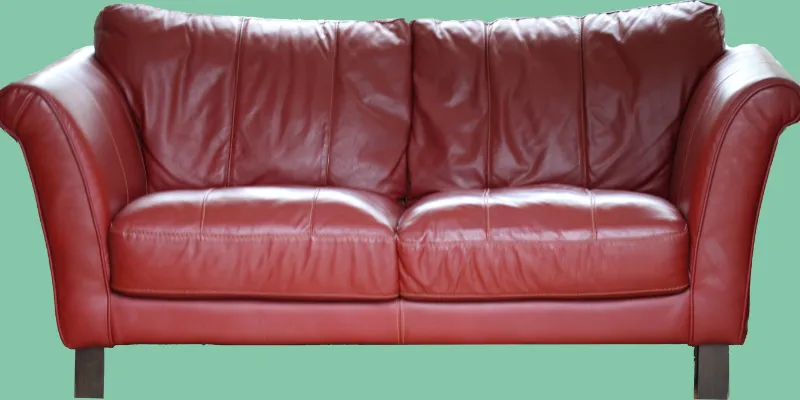
Here, we will explore the fascinating journey of the sofa, from its roots in ancient civilizations to its consolidation as a central piece of domestic comfort.
Using an argumentative approach, we will uncover how the sofa was shaped and molded by historical, economic, and social contexts.
Thus, using original examples, relevant statistics, and an analogy to enrich the narrative.
++ History of Doors: Why are doors the way they are?
In addition, we will present informative tables and a frequently asked questions section, ensuring complete and SEO-optimized content.
1. The Roots of the Couch: A Throne for the Elite
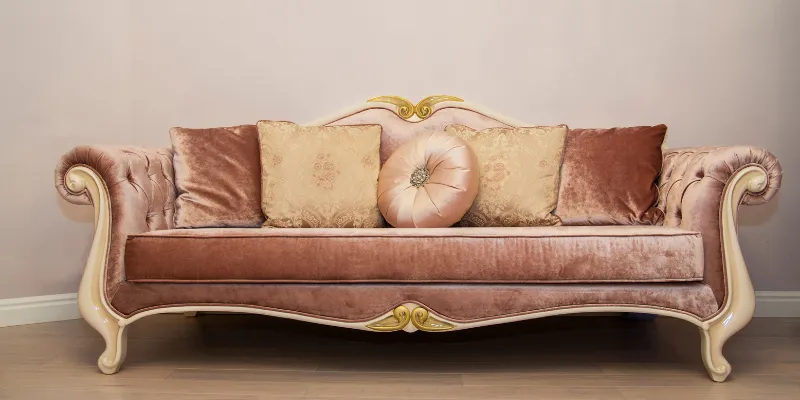
To understand The origin of the sofa is... I need to go back to the great civilizations of Antiquity.
In Ancient Egypt, around 2000 BC, elevated and padded furniture, precursors to the sofa, were used by pharaohs and nobles.
Made of carved wood, inlaid with gold and ivory, these seats were not only functional, but also a symbol of divine power.
Unlike ordinary chairs, reserved for people of lower status, these elevated pieces of furniture, often adorned with luxurious fabrics, marked the authority of whoever occupied them.
++ Houses in Ancient Rome: luxury, art, and functionality.
Thus, the primitive sofa was more than just a place to sit: it was an extension of the majesty of its users.
In Ancient Greece, the kline It emerges as a milestone in the evolution of the sofa.
This piece of furniture, used at banquets, allowed Greek men to recline while eating, conversing, or philosophizing.
Interestingly, the kline It was not just a piece of furniture, but a space for social performance, where the reclining position denoted sophistication and control.
For example, imagine an Athenian statesman, such as Pericles, reclining on a... kline Lined with imported linen, discussing politics with his peers.
In other words, the piece of furniture not only accommodated him, but also reinforced his leadership position.
Thus, the sofa, in its primitive forms, was an exclusive artifact, reserved for those who held power and influence.
The transition of the sofa from a status symbol to a more accessible item began to take shape in the Roman Empire.
The Romans, with their lectus, They adapted the Greek concept, but with a touch of practicality.
O book It was used in a variety of contexts, from banquets to administrative meetings, and its construction varied according to the wealth of the owner.
However, what differentiates the text Unlike its predecessors, this is an attempt to balance aesthetics and functionality, with cushions and supports that suggest a greater focus on comfort.
Thus, even in Antiquity, the sofa began to pave its way towards democratization, although it was still far from being a common good.
Table:
| Civilization | Name of the Furniture | Features | Main Function |
|---|---|---|---|
| Ancient Egypt | Elevated seat | Carved wood, gold inlays and ivory. | Symbol of divine power |
| Ancient Greece | Kline | Wooden frame lined with fine fabrics | A space for social interaction and sophistication. |
| Roman Empire | Lectus mis with cushions | Balance between aesthetics and comfort. |
2. The Transformation of the Sofa in the Middle Ages and Renaissance

With the decline of the Roman Empire, the origin of the sofa It enters a period of relative stagnation in medieval Europe.
During the Middle Ages, furniture was rudimentary, and comfort was not a priority.
Wooden benches and chairs were predominant, while upholstered furniture was rare and restricted to castles or monasteries.
++ The oldest inhabited cities in the world.
However, in Byzantine and Islamic courts, the couch continued to evolve.
In the palaces of Constantinople and Baghdad, furniture upholstered in opulent fabrics such as silk and velvet was used in reception halls, reinforcing the idea that the sofa was a privilege of the elite.
This cultural disparity is shown by how the sofa, even in times of scarcity, represents a status marker.
During the Renaissance, the sofa gained new life with the resurgence of interest in classical aesthetics.
In 15th-century Italy, artisans began experimenting with more ergonomic forms, incorporating rudimentary upholstery and springs.
An original example would be the fictional one. LLorenzo's divan, A sofa commissioned by a Florentine nobleman for his study.
Crafted from solid oak, with crimson velvet cushions, this sofa would be the focal point of intellectual gatherings, where poets and philosophers discussed the ideas of Dante and Petrarch.
Thus, the Renaissance sofa not only provided comfort, but also became a discovery of culture and knowledge.
The Industrial Revolution in the 18th century marked a turning point for the origin of the sofa.
With the invention of weaving machines and mass production, upholstery became more accessible.
For the first time, middle-class families were able to purchase sofas, albeit simple ones, made with steel springs and factory-produced fabrics.
In this context, the sofa began to lose its aura of exclusivity, moving closer to the modern concept of a piece of household furniture.
However, the transition was not immediate: while the bourgeoisie adopted the sofa as a symbol of social ascension, the most luxurious designs were still reserved for the aristocracy.
Table:
| Period | Innovation on the Sofa | Social Impact |
|---|---|---|
| Middle Ages | Use of opulent fabrics (Byzantium/Islam) | Exclusively for elites |
| Renaissance | Upholstery and rudimentary springs | Catalyst for culture and aesthetics |
| Industrial Revolution | Mass production, steel springs | Democratizing access to the couch |
3. The Modern Sofa: Comfort and Cultural Identity
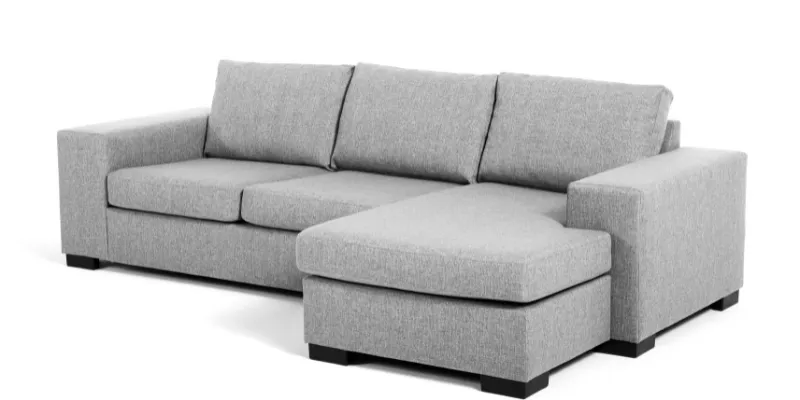
Image: Canvas
In the 20th century, the sofa became an indispensable item in Western homes, reflecting technological advances and cultural changes.
The invention of new materials, such as polyurethane foam in the 1950s, revolutionized sofa comfort, making them lighter and more affordable.
Furthermore, modern design, led by movements such as the Bauhaus, brought sofas with minimalist and functional lines, like the iconic... LC2 by Le Corbusier.
These designs not only prioritized comfort, but also expressed a philosophy of life: simplicity, practicality, and universality.
An example would be original Living Room Sofa of the SSilva Family, A hypothetical piece of furniture from the 1970s, purchased by a middle-class Brazilian family.
Made of dark green leather, with firm foam cushions, this sofa was the heart of the home, where the family gathered to watch the eight o'clock soap opera or discuss their day.
It represented not only comfort, but also the achievement of a modern lifestyle, accessible to the emerging layers of society.
Thus, the sofa became a reflection of the aspirations of a new global middle class, which saw in the piece of furniture a symbol of stability and belonging.
Today, the origin of the sofa culminates in unprecedented diversity.
From modular sofas to smart models with USB chargers, the furniture adapts to contemporary needs.
According to a Statista study (2023), the global sofa market generated approximately US$$ 45 billion in 2022, highlighting its economic and cultural relevance.
Similarly, the sofa is like a blank canvas: each culture, each home, paints it with its own colors, whether with vibrant prints in Brazil or neutral tones in Scandinavia.
But what exactly makes the sofa such a universal object?
Perhaps it's its ability to combine functionality and emotion, transforming spaces into spaces.
| Decade | Innovation | Impact on Design |
|---|---|---|
| 1950 | Polyurethane foam | Greater comfort and lightness |
| 1970 | Modular designs | Flexibility for different spaces |
| 2020 | Smart sofas (USB, etc.) | Adapting to technological needs |
4. Frequently Asked Questions About the Origin of the Sofa
| Question | Response |
|---|---|
| What is the origin of the term "sofa"? | The word "sofa" comes from sufa Arabic, meaning a raised stool with cushions, used in contexts of power in the Islamic world. |
| When did sofas become affordable? | Starting with the Industrial Revolution in the 18th century, with mass production and the use of cheaper materials. |
| What is the difference between a sofa and a divan? | A divan is generally a backless sofa used for reclining, while a modern sofa has a backrest and arms, prioritizing comfort. |
| Have sofas always been symbols of comfort? | No, initially they were symbols of status and power, with comfort being a secondary priority until the 19th century. |
The Origin of the Sofa: Conclusion
The origin of the sofa. It's a narrative of transformation that goes beyond the mere evolution of a piece of furniture.
From a pharaoh's throne to an indispensable item in modern homes, the sofa reflects changes in power structures, technologies, and cultural values.
It was once a privilege, a stage for culture, and now, a haven of comfort and togetherness.
With its ability to reinvent itself, the sofa continues to be a mirror of society, adapting to our needs and desires.
So, the next time you sit on your couch, ask yourself: what stories could it tell?