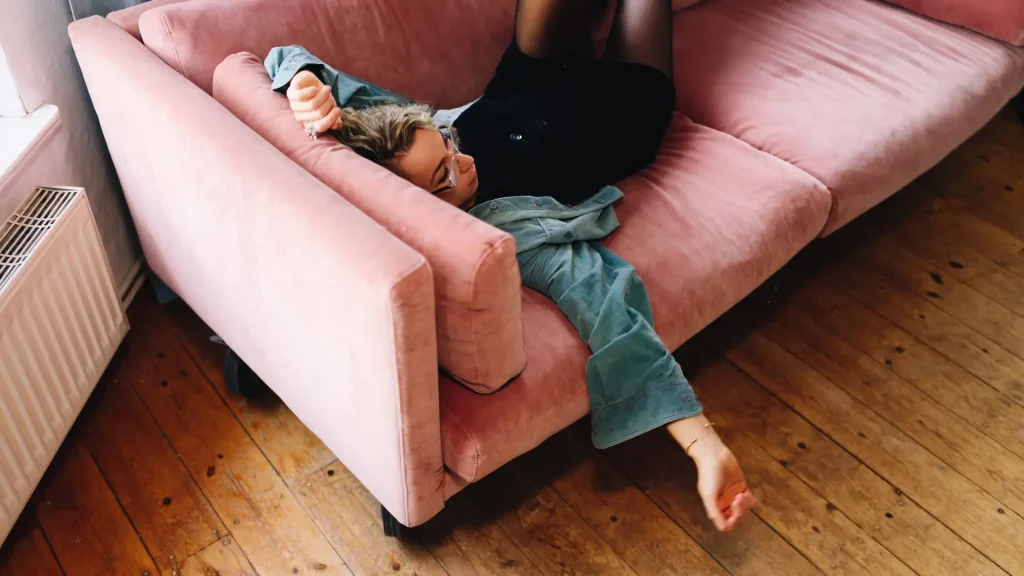
Stretching Exercises to Relax After Work
Advertisements
Stretching to Relax After Work!
After an intense day of meetings, tight deadlines, and hours in front of a screen, there's nothing better than dedicating a few minutes to movements that release accumulated tension.
Stretching exercises to relax after work are not just a break; they represent a smart strategy to reconnect body and mind, promoting a smooth transition to nighttime rest.
Learn more below!
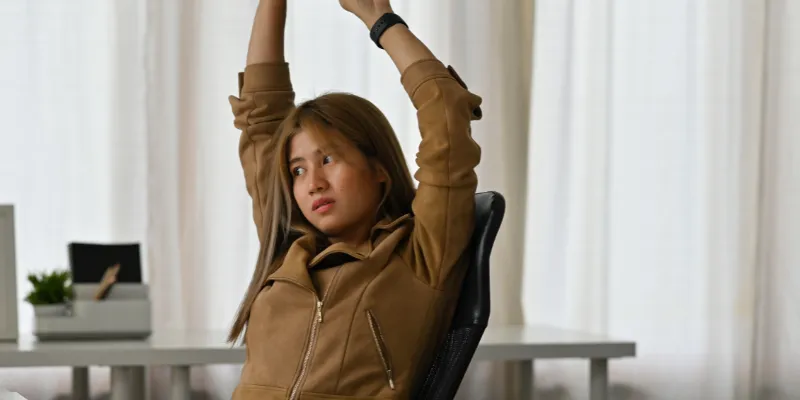
Stretching to Relax After Work: Summary of Topics Covered
- Why are stretching exercises essential after work?
Exploring the scientific and practical reasons for incorporating stretching into your after-work routine. - What are the benefits of stretching for mental and physical relaxation?
Detailing advantages that go beyond the obvious, with a focus on holistic health. - How to Perform Effective Stretching Exercises at Home?
A practical guide with techniques and precautions to maximize results. - What specific stretching exercises can be done after work?
Detailed descriptions, including original examples. - What to Avoid When Doing Post-Work Stretches?
Common mistakes and how to correct them for safe practice. - Frequently Asked Questions About Stretching Exercises to Relax After Work
Answers in table format to clarify recurring questions.
Why are stretching exercises essential after work?

Have you ever wondered why, after hours in a fixed position, your body feels like a rusty mechanism, begging for lubrication?
This sensation is not a mere whim; it reflects the accumulated impact of work-related stress on the musculoskeletal system.
Therefore, incorporating stretching exercises to relax after work emerges as a logical and proactive response.
Furthermore, in a world where working from home has blurred the lines between professional and personal life, these movements act as a watershed moment, signaling to the brain that the workday is over.
Thus, by stretching contracted muscles, you not only relieve immediate stiffness, but also prevent chronic problems such as neck pain, which affect millions of workers.
Consequently, considering the physiological context reinforces this need.
Throughout the day, improper postures – such as slouching over a keyboard – shorten muscle fibers, reducing blood circulation and increasing the production of cortisol, the stress hormone.
For example, recent research indicates that 671% of Brazilians suffer from work-related stress, which exacerbates physical and mental tension.
In this sense, stretching acts as a perfect analogy to recharging a discharged battery: it restores vital energy, improving the flow of oxygen and nutrients to the tissues.
Furthermore, by promoting the release of endorphins, these exercises transform the end of the day into a moment of renewal, rather than prolonged exhaustion.
Therefore, ignoring this practice can lead to a vicious cycle of accumulated fatigue.
Therefore, by prioritizing stretching, you invest in sustainable health, preventing minor tensions from developing into serious injuries.
Consequently, professionals who adopt this routine report not only physical relief, but also greater mental clarity for personal activities, such as reading a book or interacting with family.
What are the benefits of stretching for mental and physical relaxation?
The benefits of stretching exercises for relaxation after work go far beyond a simple muscle strain; they encompass a holistic improvement that affects both the body and the mind.
Therefore, by stretching your muscles, you stimulate the parasympathetic nervous system, responsible for the "rest and digest" mode, which reduces your heart rate and promotes a state of deep calm.
++ The psychology behind procrastination and how to break the cycle.
Furthermore, this practice increases joint flexibility, facilitating everyday movements and reducing the risk of morning stiffness the following day.
Therefore, for those who spend the day in sedentary environments, these stretches represent a powerful tool against progressive stiffness.
Consequently, in the mental realm, stretching acts as a natural antidote to accumulated stress.
For example, by focusing on your breathing during movement, you practice a subtle form of mindfulness, shifting your attention from work-related concerns to the present moment in your body.
In this context, studies show that stretching routines reduce anxiety levels by up to 20% in stressed populations, reinforcing their relevance.
++ How to take care of your personal energy while organizing your home.
Furthermore, this mind-body integration improves sleep, as a relaxed body falls asleep more easily, preventing restless nights that perpetuate the cycle of fatigue.
Therefore, another intelligent aspect is the impact on posture and daily ergonomics.
Thus, regular stretching corrects misalignments caused by hours of work, preventing chronic back and shoulder pain.
Consequently, you gain not only immediate relaxation, but also a foundation for a more active and productive life.
Furthermore, by incorporating these benefits into your routine, you cultivate greater resilience against professional demands, transforming the post-work period into a time of genuine recharging, rather than mere survival.
Stretching to Relax After Work, Chart:
| Physical Benefits | Description | Impact on Daily Life |
|---|---|---|
| Improved Circulation | It increases blood flow, reducing swelling. | Less leg fatigue after long hours of sitting. |
| Increased Flexibility | It lengthens shortened muscle fibers. | It makes tasks like reaching high objects easier without pain. |
| Reducing Muscle Tension | It releases knots of accumulated stress. | Immediate relief in areas such as the neck and shoulders. |
How to Perform Effective Stretching Exercises at Home?
Performing stretching exercises to relax after working from home requires a strategic approach, starting with preparing the environment.
Therefore, choose a quiet space, such as the living room, and use a rug for added comfort.
In addition, begin with deep breaths to align mind and body, ensuring that every movement is intentional.
++ Mysterious Places in Brazil That Spark Curiosity
Therefore, hold each stretch for 20-30 seconds, repeating 2-3 times, to allow the muscles to adapt without straining.
Consequently, focus on the correct technique to maximize effectiveness. For example, avoid swinging your body; instead, move slowly until you feel a slight tension, never sharp pain.
In this sense, incorporating soft music or a timer can make the session more enjoyable, transforming it into a daily ritual.
Additionally, adapt the movements to your fitness level, starting with seated variations if you are a beginner, to gradually build confidence.
Therefore, monitor your progress to make smart adjustments.
Therefore, make a note of how you feel before and after the sessions, adjusting the duration or intensity as needed.
Consequently, this practice not only relaxes but also educates about one's own body, promoting autonomy in managing well-being.
In addition, combine it with hydration and a light post-workout meal to enhance the effects, creating a virtuous cycle of recovery.
What specific stretching exercises can be done after work?
Among stretching exercises to relax after work, prioritize those that target common areas of tension, such as the back and neck.
Therefore, start with simple movements that don't require equipment, making it easier to get started.
In addition, vary the positions to cover the entire body, ensuring balanced relaxation.
Thus, these exercises not only lighten the mood during the day, but also prepare you for a restful night.
Consequently, an original example is the "Neck Stretch with Guided Breathing": Sit upright, tilt your head to one side, holding the opposite shoulder with your hand to intensify the stretch.
Inhale deeply through your nose, exhale through your mouth while stretching, repeating for 30 seconds on each side.
In this context, this movement releases accumulated cervical tension from screens, improving mental focus.
Furthermore, it promotes breath awareness that calms the nervous system, differentiating itself from generic stretches by its emphasis on synchronicity.
Therefore, another original example is the "Seated Leg Stretch with Twist": Sitting on the floor with legs extended, cross one leg over the other and twist your torso in the opposite direction, using your arm for support.
Hold for 25 seconds, alternating sides.
Thus, this exercise relieves pressure on the lumbar spine, common in those who sit for hours, and stimulates digestion by massaging internal organs.
Consequently, its clever twisting design relieves not only muscles but also emotional fatigue, making it ideal for post-work transitions.
| Exercise | Target Area | Recommended Duration | Key Benefits |
|---|---|---|---|
| Neck Stretch with Guided Breathing | Neck and Shoulders | 30 seconds per side | It reduces tension headaches and improves breathing. |
| Leg Stretch with Seated Twist | Legs and Spine | 25 seconds per side | Relieves lower back pain and promotes digestive relaxation. |
| Crossed Arms Stretch | Arms and Chest | 20 seconds | Open your chest, combating hunched postures. |
What to Avoid When Doing Post-Work Stretches?
When performing stretching exercises to relax after work, avoid pushing yourself beyond your comfortable limit, as this can cause micro-tears.
Therefore, listen to your body and stop if you feel sharp pain, differentiating it from beneficial tension.
In addition, don't skip the warm-up, such as a light walk, to prepare your cold muscles for a sedentary day.
Thus, this precaution prevents unwanted stretching, ensuring safety.
Therefore, resist the temptation to skip sessions on tiring days; consistency is key, but adjust the intensity.
For example, on exhausting nights, opt for gentle variations to maintain the habit without overloading yourself.
In this regard, avoid distractions such as checking emails during stretching, as this dilutes the focus on relaxation.
In addition, combine this with a professional assessment if you have pre-existing conditions, personalizing the practice.
Therefore, don't underestimate the timing: stretch right after work, not before bed, to maximize the transition.
Therefore, avoid monotonous repetitions that lead to boredom; vary exercises to maintain motivation.
Consequently, by avoiding these mistakes, you transform stretching into a smart and lasting tool for well-being.
Frequently Asked Questions About Stretching Exercises to Relax After Work
| Question | Response |
|---|---|
| How much time should I dedicate to stretching each day? | Ideally, 10-15 minutes is enough for noticeable results, but start with 5 if you are a beginner, gradually increasing to avoid overload. |
| Can I do stretching exercises if I have chronic pain? | Yes, but consult a doctor first; adapted stretches can provide relief, but incorrect movements can aggravate conditions such as hernias. |
| Can stretching replace aerobic exercise? | No, they complement each other; use them for relaxation, while aerobics focus on cardiovascular conditioning. |
| What's the best time to stretch after work? | Immediately after finishing tasks, to release immediate tension and improve subsequent sleep. |
| Do I need any equipment for these exercises? | No, most people only use their body; an optional mat increases comfort on hard floors. |
In short, adopting stretching exercises to relax after work is a smart choice that improves your quality of life. So, try it and feel the difference.
For more insights, check out these relevant links: