Red tides: the phenomenon that changes the color of the oceans.
To the red tides They often arrive without warning, tinting the surface of the sea with shades ranging from rust to crimson.
Advertisements
It's a visually stunning spectacle, but it hides a profound biological alteration in the marine ecosystem.
This drastic change in the beach landscape happens in a matter of hours. When we look at the colored water, what we see is the immediate response of microorganisms to variations in temperature, nutrients, and ocean currents.
Understanding the emergence of red tides It requires going beyond the surface. The phenomenon exposes the fragility of the oceans in the face of environmental pressures and the climate changes we are experiencing.
Summary
- What are red tides and how do they occur?
- What organisms cause the change in water color?
- How do human actions impact the occurrence of red tides?
- Where do red tides occur most frequently?
- What are the real risks to public health and fishing?
- Comparative table of the main microorganisms
- Conclusion
- Frequently Asked Questions (FAQ)
What are red tides and how do they occur?
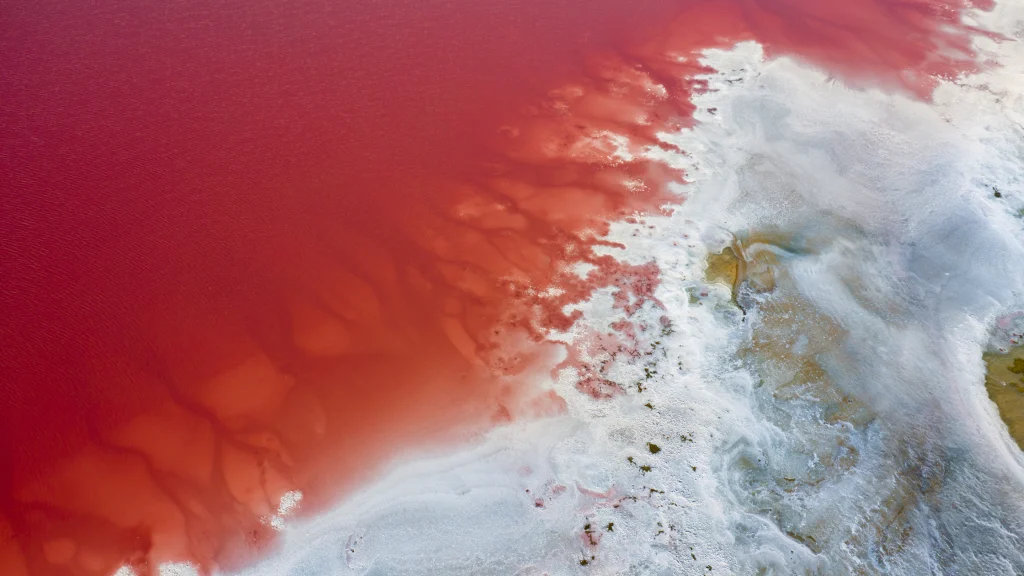
Technically called Harmful Algal Blooms (HABs), these population explosions occur when dinoflagellates and diatoms find the ideal environment to multiply uncontrollably.
The accumulation of these microorganisms in the water's surface is so dense that their photosynthetic pigments alter the refraction of light, giving the sea shades of brown, orange, and red.
The combination of warm waters, gentle winds, and calm seas accelerates this cell division. In a short time, the stain spreads to the point of being detected by satellites.
What organisms cause the change in water color?
Microscopic dinoflagellates are responsible for this visual alteration. Among the most common species are... Karenia brevis, a Alexandrium catenella and different members of the genre Gymnodinium.
Each microalga carries its own unique combination of carotenoids and chlorophyll. These organic compounds absorb and reflect specific wavelengths of sunlight.
It is worth noting that the expression red tides It is imprecise. Depending on the dominant species, the water can take on yellowish, greenish, or dark brown hues.
How do human actions impact the occurrence of red tides?
The untreated discharge of urban sewage and the runoff of agricultural fertilizers carry large volumes of nitrogen and phosphorus to coastal regions.
This nutrient load acts as a potent fertilizer for microalgae. The process, known as eutrophication, disrupts the ecological balance and accelerates the proliferation of these organisms.
Reports from United Nations Environment Programme Studies indicate that the warming of coastal waters has made these episodes more frequent and intense.
Where do red tides occur most frequently?
Locations with shallow water, mild or warm temperatures, and little water circulation are the most susceptible to the formation of these dense patches.
The Gulf of Mexico, stretches of the east coast of the United States, the southern coast of Brazil, and inlets in Southeast Asia record recurring occurrences of the phenomenon.
Today, satellite monitoring systems track chlorophyll levels along the coast to identify blooms before they reach urban or fishing areas.
What are the real risks to public health and fishing?
Some species of microalgae release potent toxins, such as brevetoxin and saxitoxin. These compounds accumulate in the tissue of bivalve mollusks, such as mussels and oysters.
Consuming these contaminated seafood products can cause severe poisoning of the nervous or gastrointestinal system, leading to the immediate closure of harvesting areas.
Furthermore, when algal biomass dies and decomposes, oxygen consumption in the water skyrockets, creating dead zones that suffocate fish and crustaceans.
++ Why do some trees live for thousands of years?
Key microalgae associated with harmful blooms
Identifying the predominant species in a bloom is essential to assess the level of health risk and the economic impact on local fishing communities.
| Microalgae species | Toxin Produced | Typical Coloration in Water | Main Ecological Impact |
| Karenia brevis | Brevetoxin | Reddish to brown | Massive fish deaths and respiratory irritation |
| Alexandrium catenella | Saxitoxin | Light brown | Paralytic shellfish poisoning in humans |
| Dinophysis acuminata | Okadaic acid | Yellowish | Severe diarrheal poisoning after consumption |
| Noctiluca scintillans | It does not produce direct toxins. | Orange / Bioluminescent | Local anoxia and asphyxia of aquatic organisms |
How has global warming intensified red tides?
The continuous increase in average ocean temperatures creates the ideal thermal environment for the accelerated proliferation of harmful microalgae.
Warmer waters not only stimulate the metabolic rate of dinoflagellates and diatoms, but also alter the circulation of ocean currents and the oxygenation of surface layers.
This extends the duration of the episodes of red tides and expands its range to higher latitudes that were previously too cold for these organisms.
How do toxins from algae affect marine life?
The toxins produced during a bloom not only affect those who consume mollusks, they destabilize the entire ocean food web.
Fish, turtles, and marine mammals absorb these compounds through gill respiration or by consuming contaminated prey.
The accumulation of brevetoxins and saxitoxins causes disorientation, neuromuscular paralysis, and episodes of mass mortality, transforming vibrant marine habitats into areas temporarily devoid of life.
++ Animals that can survive without eating for months.
What is the economic impact of red tides on coastal communities?
The arrival of a toxic bloom immediately paralyzes essential activities in the fishing, aquaculture, and local tourism sectors.
The ban on the harvesting and sale of seafood generates severe financial losses for artisanal fishermen and marine producers.
At the same time, the unpleasant odor, the visible mortality of fish on the beaches, and the risk of respiratory irritations are keeping visitors away, affecting hotels, restaurants, and businesses that depend on coastal tourism.
How does current technology help predict and track the phenomenon?
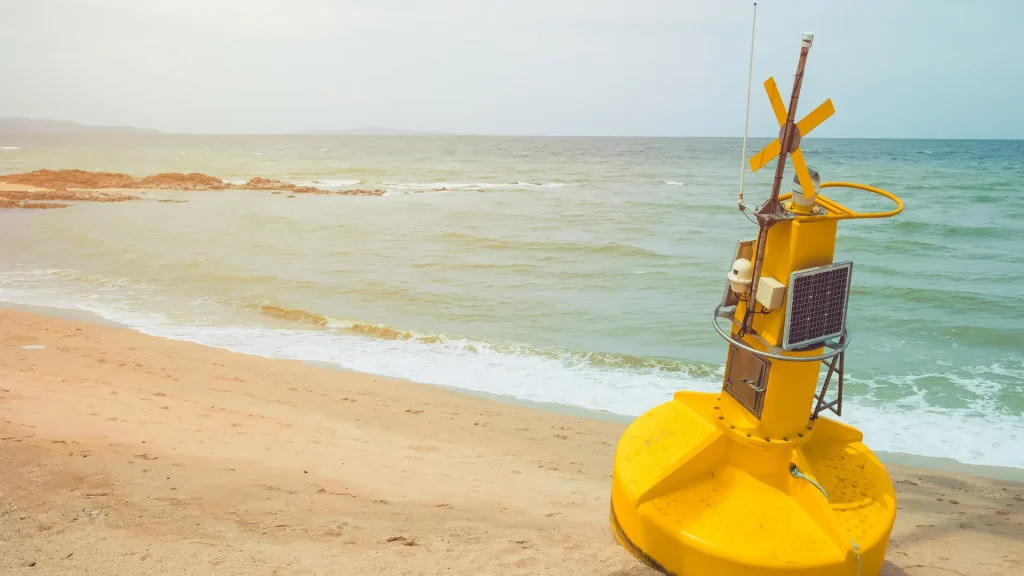
Satellites identify variations in chlorophyll concentration and sea surface temperature, allowing the tracking of oil spills before they reach the coast.
Furthermore, rapid molecular analyses help to accurately identify the microalgae species involved and to assess the toxicity level of the water in advance.
What sustainable solutions can contain the proliferation of these algae?
Mitigating the emergence of these blooms requires directly addressing the entry of pollutants and nutrients into rivers and oceans.
Investments in advanced basic sanitation, modernization of sewage treatment, and the adoption of agricultural practices that reduce fertilizer runoff are fundamental measures.
Restoring mangroves and coastal wetlands also acts as a natural biological filter, trapping excess nitrogen and phosphorus before they reach the open sea.
++ Interesting facts about animals that seem unbelievable, but are true.
What does history teach us about the records of this phenomenon?
Although human activities have intensified in frequency, historical accounts show that... red tides These things were happening long before industrialization.
Sixteenth-century navigation logs and records from native populations of the Americas mention periods when the water changed color and mollusks became poisonous.
Understanding this historical context helps scientists distinguish between natural planetary oscillations and changes caused directly by human activity in the contemporary era.
Conclusion
Ensuring the health of coastal areas requires strict control over basic sanitation and the disposal of agricultural effluents that reach the oceans.
The fight against red tides It involves the integration of scientific research, public policies, and the preservation of marine ecosystems.
To access detailed analyses on the state of the oceans and the global climate, consult the reports from... World Meteorological Organization.
FAQ – Frequently Asked Questions
Is red tide a toxic phenomenon for swimmers?
It's possible. Some microalgae release toxins that cause skin and eye irritation, as well as respiratory discomfort due to the dispersion of aerosols in the air. Ideally, avoid entering the water during the event.
What is the average duration of a red tide?
The event can last from a few days to several months. Its duration depends on wind intensity, ocean currents, and the amount of nutrients available.
Are all bioluminescence phenomena red tides?
No. Although organisms such as Noctiluca scintillans While they cause both bioluminescence and changes in water color during the day, many luminous episodes do not involve toxins or high harmful density.
Is it safe to eat fish caught during a red tide?
Consuming fish meat is usually safe, provided it is cleaned and gutted. However, consuming filter-feeding bivalve mollusks should be completely avoided during sanitary lockdowns.