Living near green spaces can reduce risks to metabolic health.
Living near green areas Urban renovations have ceased to be a mere real estate luxury and have become a public health emergency.
Advertisements
In large urban centers, where concrete swallows the landscape and the pace of work exhausts the body, proximity to parks and squares acts as an emergency brake for the metabolism.
What modern medicine is beginning to document with precision is something that intuition already pointed to: the surrounding vegetation directly and measurably alters the chemistry of our blood.
This protection reduces serious dysfunctions such as insulin resistance, type 2 diabetes, and the accumulation of visceral fat.
Understanding this biological dynamic isn't just useful for filling out urban planning reports. It's useful for guiding real-life choices, revealing how the landscape around our window shapes our survival expectations for the next twenty or thirty years.
Summary
- How does access to green spaces protect the metabolic system?
- What are the biological mechanisms that reduce the risk of type 2 diabetes?
- How does urban vegetation reduce levels of inflammation in the body?
- What scientific data proves the impact of green spaces on health?
- How can we integrate contact with nature into the daily routine of city life?
- Frequently Asked Questions (FAQ)
- Conclusion
How does access to green spaces protect the metabolic system?
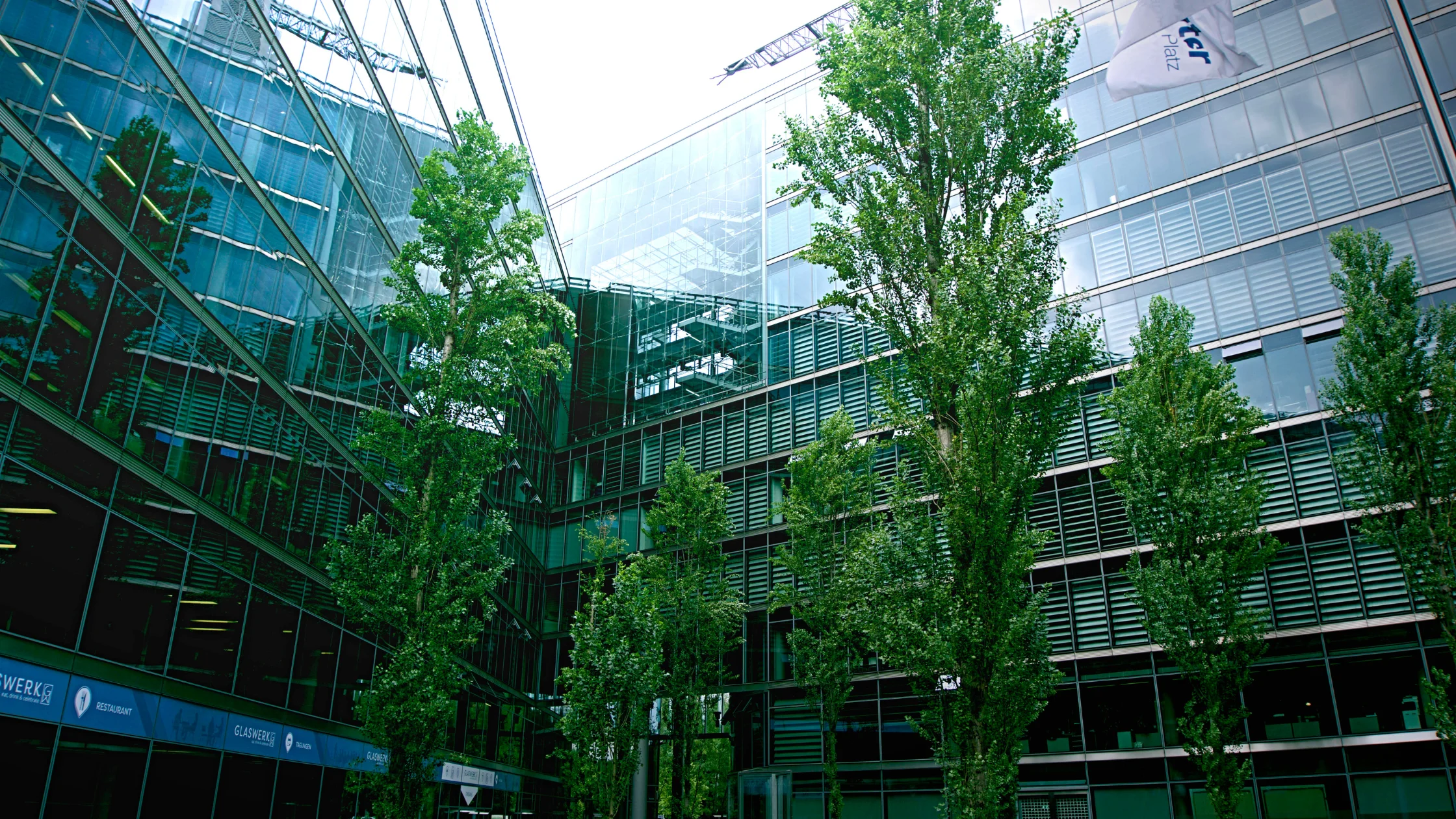
When there's an inviting park just a few blocks from home, the walk becomes almost instinctive. The late afternoon stroll ceases to be a bureaucratic obligation of the routine and becomes a daily respite.
This simple habit activates skeletal muscles to efficiently capture circulating glucose, reducing the strain on the pancreas without requiring strenuous workouts.
There is another subtle factor in this equation: dense vegetation dampens the deafening noise of traffic and retains some of the asphalt heat of large cities.
This reduces continuous exposure to invisible stressors that keep cortisol levels elevated throughout the day, preventing urban stress from converting into fat deposited in the abdominal region.
Attend green areas Regularly changing one's perception of daily life is key. The mental slowdown induced by contact with nature helps stabilize daily blood sugar spikes, creating a natural barrier against cellular wear and tear.
Sunlight filtered through the tree canopy also plays a role in stimulating the synthesis of vitamin D. Far from being just a nutrient for bones, this hormone acts on adipose tissue and regulates lipid balance.
Finally, mitigating heat islands in tree-lined neighborhoods directly impacts sleep quality. Less stuffy and quieter nights ensure the deep rest necessary for the body to recover adequate hormonal sensitivity.
++ What Happens When You Spend a Whole Day Without Looking at Your Cell Phone?
What are the biological mechanisms that reduce the risk of type 2 diabetes?
Trees and shrubs continuously release compounds called phytoncides into the air. These volatile substances are produced to defend the plants themselves and, when inhaled by us, reduce the inflammatory response of the human body.
Epidemiological mappings consolidated by World Health Organization Studies indicate that easier access to urban vegetation is one of the most effective antidotes against chronic sedentary lifestyles and cardiovascular decline in cities.
By curbing the overproduction of cortisol, the presence of trees prevents the liver from releasing unnecessary sugar into the bloodstream during periods of rest or during long, stressful work shifts.
The spontaneous increase in steps taken throughout the week restores the cells' ability to absorb glucose, eliminating the need for the pancreas to work at its limit to produce compensatory hyperinsulinemia.
The combination of these physiological factors prevents fat from accumulating in vital organs. This slows the silent progression of metabolic syndrome before it becomes a clinical diagnosis for the patient.
How does urban vegetation reduce levels of inflammation in the body?
Large trees act as true biological filters, retaining suspended polluting microparticles that, if inhaled daily, trigger systemic inflammatory reactions and damage the walls of blood vessels.
By blocking this load of atmospheric toxins, the body reduces the release of pro-inflammatory cytokines, preserving the integrity of insulin receptors spread throughout muscle and adipose tissue.
Living close to green areas It also exposes the body to a healthy microbiological diversity, coming from the soil and native vegetation, something that the sterile asepsis of buildings usually annihilates.
This constant interaction balances the gut microbiota, which we now know to be the major regulator of low-grade inflammation—the primary root of pathological weight gain and insulin resistance.
In practical terms, living in green neighborhoods functions as a kind of passive preventive medicine, where the architecture of the environment itself works continuously to protect the health of those who pass through it.
++ How the circadian rhythm influences daily energy and mood.
What scientific data proves the impact of green spaces on health?
Clinical measurements of the environmental impact on the human body have revealed striking disparities between residents of wooded areas and those living in completely paved neighborhoods.
| Health Indicator | With a Green Area Nearby | No nearby green area. | Observed Impact |
|---|---|---|---|
| Incidence of Type 2 Diabetes | Lower (Reduction of 14%) | High | Significant drop in the emergence of new cases. |
| Basal Cortisol Levels | Stable and controlled | Constantly elevated | Mitigation of wear and tear from chronic stress. |
| Prevalence of Obesity | 18% of the population | 27% of the population | Greater spontaneous participation in physical activities. |
| Insulin Sensitivity | Preserved | Committed | Better use of blood glucose. |
| Systolic Blood Pressure | Within the ideal parameter | Tendency towards hypertension | Environment-induced vascular relaxation |
The numbers reveal something that goes beyond subjective well-being: creating and maintaining urban squares is a measure to contain public spending on treatments for chronic non-communicable diseases.
Those who live within a 500-meter radius of a well-maintained natural area have substantially healthier blood markers than those who live surrounded only by concrete and mold.
Investing in the search for housing located near green areas It should be approached with the same seriousness as planning one's diet or routine preventive checkups.
How can we integrate contact with nature into the daily routine of city life?

Bringing the benefits of plants into everyday life doesn't require returning to rural life or spending exorbitant amounts of money every week.
Small changes, such as taking a short walk along a tree-lined street instead of using a car or private transport, are enough to trigger the sensory stimuli that the body needs.
Setting aside time on the weekend to read in the shade of trees or to do stretching exercises outdoors relieves mental fatigue and readjusts the heart rate for the following days.
Seeking out parks that preserve native flora enhances the inhalation of beneficial volatile compounds, making the break much more restorative from a physiological standpoint.
Engaging in the preservation of neighborhood squares and demanding the maintenance of urban green spaces is the most concrete way to ensure that this health asset remains available to everyone.
++ How Natural Light During the Day Influences Our Routine
Frequently Asked Questions (FAQ)
What is the ideal distance from a green area to obtain metabolic benefits?
Living within 500 meters of a square or wooded park is the threshold identified by research to guarantee a measurable reduction in stress and metabolic risks.
Does walking in parks offer more benefits than walking on a treadmill?
Yes. The treadmill works the muscles, but walking outdoors adds to that the inhalation of phytoncides and the thermal relief, enhancing the reduction of cortisol.
Do small parks also help in the prevention of chronic diseases?
Yes. Even small flowerbeds and neighborhood squares help dissipate heat, absorb noise, and offer a necessary visual respite to contain systemic inflammation.
How does vegetation affect insulin sensitivity?
By reducing pollution and chronic cortisol, plants minimize cellular inflammation, allowing insulin receptors to function again without blockages.
Do children exposed to nature have a lower metabolic risk in adulthood?
Yes. Early exposure to biodiversity strengthens the gut microbiota and creates a movement memory that protects metabolism throughout adulthood.
Conclusion
Living near trees and parks has gone from being a mere landscaping detail to becoming a key component of biological health.
The reduction in the rate of type 2 diabetes and the stabilization of hormone levels show that the human body was not designed to respond well to the mineral isolation of large cities.
To follow the evolution of preventive health and environmental policies through the portal of Ministry of Health It helps to understand how the structure of cities directly affects the longevity of the population.
Ultimately, defending the green spaces around us is the most subtle—and efficient—way to protect our own lives.