Credit Cards : See Which Options May Match What You’re Looking For
There are several types of credit cards available in the US.
Some focus on cash back, others offer travel rewards, no annual fee, or features that may help with building credit.
See which card could be right for you.
Before comparing individual cards, there’s one simple question to answer:
What do you want most from your next credit card?
Your spending habits and financial priorities can help narrow down which credit card options may be worth exploring.
Which sounds more like you?
Think about how you expect to use your next credit card.
“I want cash back on purchases I already make”
If you regularly spend on groceries, gas, dining, or other everyday purchases, a card that returns a percentage of those purchases back to you might be worth exploring.
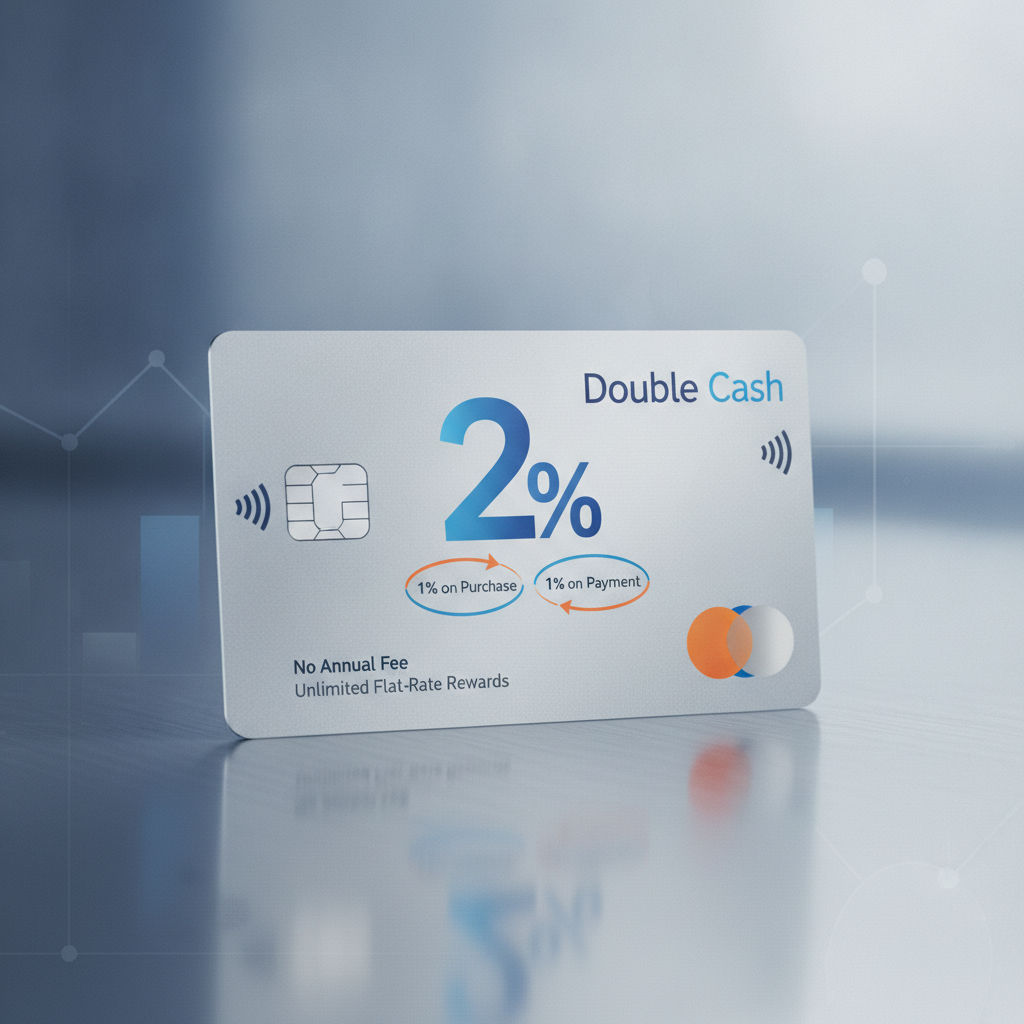
Cash-back cards come in different structures. Some offer a flat rate on everything — like 1.5% or 2% on every purchase.
Others give higher rates in specific categories and lower rates on everything else.
And cash back may not be the only benefit — some options also come with a welcome bonus, a $0 annual fee, or an introductory APR offer.
Could this be you? If you want your everyday spending to earn something back, start by exploring cash-back options.
“I want to earn more rewards on everyday spending”
Some cards are built around maximizing what you earn.
If you prefer rewards points you can redeem flexibly — for travel, merchandise, or statement credits — a rewards card may be the better fit.
You may earn more points in categories you use most, like dining, travel, or streaming, while earning a base rate everywhere else.
Some rewards cards also come with a sign-up bonus that adds significant value in the first year.
Could this be you? If flexible redemption options matter more than a flat cash percentage, a rewards-focused card could deliver more value over time.
“I want travel rewards and benefits”
If travel is a priority — whether you fly frequently or you’re saving rewards toward a future trip — a travel card may offer more than a standard cash-back option.
Travel cards earn miles or points that can be redeemed for flights, hotels, and other travel expenses.
Some travel options may also combine miles with additional benefits such as no annual fee or introductory APR periods.
Could this be you? If you want your spending to work toward your next trip, look at cards designed specifically around earning travel rewards.
“I don’t want to pay an annual fee — and I still want real rewards”
Some credit cards carry a $0 annual fee, meaning you pay nothing to hold the card year after year.
And a $0 annual fee doesn’t mean limited rewards — some no-fee options offer flat-rate cash back on every purchase, like 2% on everything you buy, with no categories to track and no yearly charge cutting into what you earn.
In some cases, the no-fee card simply outperforms the one with a fee.
Could this be you? If keeping costs low while still earning rewards is the priority, comparing $0 annual fee options is a good place to start.
“I’m building or rebuilding my credit”
Not every credit card requires a long credit history or a high score.
Some options are specifically designed for people who are starting out or working to improve their credit profile.
Entry-level and secured cards can help you establish a positive payment history — one of the key factors that shapes your credit score over time.
Even while building credit, it’s possible to earn rewards.
Could this be you? If you’re just getting started or rebuilding after a setback, there are options designed to help you move forward.
What’s your priority right now?
Want simple cash back? A flat-rate cash-back card keeps things simple — no categories to track, just a return on every purchase.
Want rewards that flex across categories? A card with category bonuses may return more if your spending is concentrated in dining, travel, or groceries.
Travel frequently? A travel rewards card can turn spending you’re already doing into miles or points toward future trips.
Interested in an introductory APR? A card with a 0% intro APR period can create breathing room for a larger purchase — as long as you have a plan to pay it off before the standard rate kicks in.
Considering a balance transfer? Transferring a balance to a card with a lower rate could reduce what you pay in interest and help you pay down the principal faster.
The individual cards differ in reward rates, annual fees, approval requirements, and specific benefits — and those differences determine which one is actually worth applying for.
Looking for more than one benefit?
Some cardholders don’t fall neatly into one category.
A few cards on the market are built to deliver on more than one front — so comparing your full list of options side by side is often the most useful next step.
trechosdavida.com is an independent informational website. We may receive compensation when you apply for products through our links. This does not influence our editorial content. Card terms, rates, and approval criteria are set by the card issuer and may change. Always review the current terms on the issuer’s official website before applying.
Frequently asked questions
What types of credit cards are available in the US?
The most common categories are cash-back cards, travel rewards cards, cards with no annual fee, and cards for building or rebuilding credit. Many cards combine more than one of these features. The right type depends on how you spend and what you want to get in return.
How does cash back work on a credit card?
Cash back is a percentage of your eligible purchases returned to you as a reward. Some cards offer a flat rate on everything — like 1.5% or 2% on every transaction. Others give higher rates in specific categories such as groceries or gas. Cash back can typically be redeemed as a statement credit, direct deposit, or check.
What is the difference between cash back and travel rewards?
Cash-back cards return a percentage of your spending as cash. Travel rewards cards earn points or miles redeemed for flights, hotels, or other travel expenses. Travel cards can offer more value per dollar for frequent travelers, while cash-back cards tend to be simpler and more flexible for everyday use.
Can I get a good credit card with no annual fee?
Yes. Several well-known cards charge $0 in annual fees and still offer solid rewards — including flat-rate cash back, sign-up bonuses, and purchase protections. No annual fee doesn’t mean no benefits.
How do I choose the right credit card for me?
Start with your main priority: cash back, travel rewards, no annual fee, or building credit. Then consider your credit score, since it largely determines which cards you’re likely to qualify for. Compare earning rates, fees, and benefits across cards in your category before applying.
Will applying for a credit card hurt my credit score?
Pre-qualification typically doesn’t affect your score. A formal application usually triggers a hard inquiry, which can temporarily reduce your score by a small amount. Applying for several cards in a short window can have a more noticeable impact, so narrow down your options before committing to an application.