How to make your own air fresheners and save money
Advertisements
How to make your own air fresheners? Transforming your home into a welcoming and fragrant space doesn't have to be expensive.
After all, why spend a fortune on industrial fragrances when you can create your own, personalized and sustainable ones?
Making your own air fresheners is more than a creative activity: it's a smart choice that combines savings, sustainability, and customization.
Find out everything below!
How to make your own air fresheners
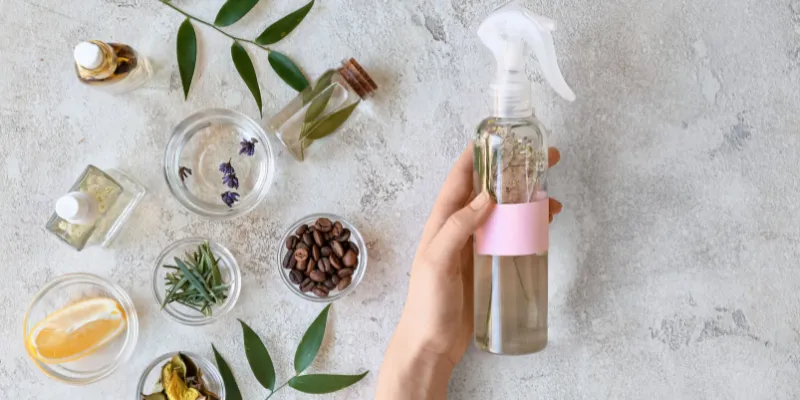
The search for home-made solutions has gained momentum in recent years, especially in a world where environmental and financial awareness is on the rise.
In fact, creating homemade air fresheners allows you to control the ingredients, avoid harsh chemicals, and tailor the scents to your preferences.
Additionally, this practice promotes a deeper connection with your home, transforming it into a reflection of your personality.
With a few simple materials and a little creativity, you can achieve professional results without breaking the bank.
On the other hand, personalization goes beyond aesthetics: it meets specific needs.
For example, did you know that certain essential oils can improve focus or reduce stress?
By creating your own air fresheners, you not only save money, but you also gain the freedom to choose fragrances that influence your well-being.
++ Tips for a more emotionally “breathable” home
So, get ready to explore techniques, ideas, and inspiration that will transform your home and your relationship with conscious consumption.
Why Make Your Own Air Fresheners?
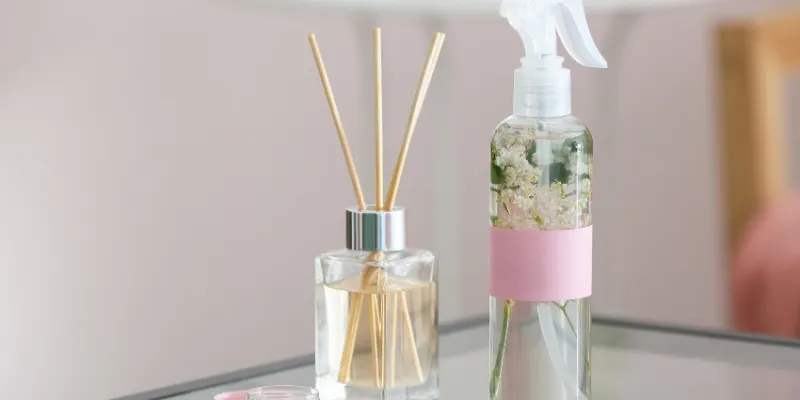
Firstly, the savings are one of the biggest attractions of making air fresheners at home.
A study by the Brazilian Association of Cleaning Companies (Abralimp) revealed that Brazilians spend, on average, R$1,400,000 per year on aromatization and cleaning products.
By creating your own air fresheners, you can reduce this cost by up to 70%, as the basic ingredients, such as essential oils and alcohol, are affordable and yield multiple units.
Thus, the initial investment is quickly compensated.
Furthermore, sustainability is a strong argument.
Most commercial air fresheners contain synthetic compounds that can pollute indoor air and generate plastic waste.
++ Colors that convey peace: how to use them in decoration
In contrast, homemade air fresheners use natural materials and reusable containers, reducing environmental impact.
Imagine your home as a garden: every fragrance you create is a flower planted, cultivated with care and without harming nature.
This analogy reinforces how conscious choices transform everyday life.
Finally, personalization is an undeniable differentiator.
Unlike industrialized products, which offer generic fragrances, homemade air fresheners allow for unique combinations.
Want a scent that reminds you of an unforgettable trip or a special moment?
With the right materials, you can create fragrances that tell your story, making every corner of your home an extension of your identity.
|
Benefit |
Homemade Flavorings |
Commercial Flavorings |
|---|---|---|
|
Cost |
Low (R$ 10-30 per unit) |
High (R$ 20-100 per unit) |
|
Sustainability |
Natural ingredients, reusable bottles |
Synthetic compounds, disposable packaging |
|
Personalization |
Fully adaptable |
Limited to ready-made options |
Essential Materials and Where to Find Them
Image: Canva
Before you begin, it's essential to gather the right materials.
The base of any homemade air freshener includes essential oils, a carrier (such as alcohol or distilled water), and a container.
Essential oils, for example, are the heart of the air freshener, responsible for the aroma and, in some cases, therapeutic benefits.
You can find them in health food stores or online, with prices ranging from R$ 15 to R$ 50 for 10 ml, depending on the brand and essence.
Furthermore, the vehicle is equally important.
++ How the color of your walls can help control anxiety
Grain alcohol, for example, is ideal for reed diffusers, as it evaporates slowly and distributes the aroma evenly.
For sprays, distilled water mixed with a natural solubilizer, such as polysorbate 20, ensures a homogeneous mixture.
These items are available at compounding pharmacies or specialty stores.
On the other hand, containers such as glass jars or recycled pots can be reused at home, further reducing costs.
Finally, complementary tools, such as wooden sticks, funnels and pipettes, make the process easier.
Sticks, for example, are sold in bundles for less than R$ 10 in craft stores.
With these materials in hand, you'll be ready to create air fresheners that rival the best on the market, but with a personal and affordable touch.
|
Material |
Function |
Where to Find |
Approximate Cost |
|---|---|---|---|
|
Essential Oils |
Aroma and therapeutic properties |
Natural product stores, e-commerce |
R$ 15-50 (10 ml) |
|
Grain Alcohol |
Vehicle for dissemination |
Pharmacies, supply stores |
R$ 10-20 (500 ml) |
|
Glass Jars |
Reusable container |
Home recycling, packaging stores |
R$ 5-15 (unit) |
|
Wooden Sticks |
Aroma diffusion |
Craft shops |
R$ 5-10 (package) |
How to Make Your Own Air Fresheners: Step by Step
Now that you know the materials, let's get to the practical process.
First, choose the type of air freshener you want: reed diffuser, spray, or scented candle. Each has its own unique features, but all are accessible for beginners.
For example, the reed diffuser is ideal for fixed environments, such as rooms, while the spray is versatile for occasional use.
The choice depends on your objective and the space you want to perfume.
Then prepare the mixture.
For a reed diffuser, combine 70% grain alcohol with 30% distilled water and add 20-30 drops of essential oil per 100ml of liquid.
Mix well and pour into a glass jar with stirrers.
For a spray, use 60% distilled water, 30% alcohol and 10% essential oil, adjusting the proportions according to the desired intensity.
Shake before each use to ensure homogeneity.
These simple steps guarantee a professional result.
Finally, test and adjust.
Place the diffuser in a location with good air circulation or spray the mist on curtains and cushions.
If the aroma is too strong, reduce the amount of essential oil; if it is weak, add a few drops.
The secret is to experiment until you find the perfect balance.
With practice, you will develop a keen sense of smell to create fragrances that enchant.
Example 1: Invigorating Citrus Reed Diffuser
-
Ingredients: 70 ml of grain alcohol, 30 ml of distilled water, 15 drops of sweet orange essential oil, 10 drops of Sicilian lemon essential oil.
-
Preparation method: mix the liquids in a glass jar, add the reeds and let it sit for 24 hours. Turn the reeds every 3-4 days to renew the aroma.
-
Tip: Ideal for offices, as sweet orange stimulates energy and focus.
Example 2: Lavender and Chamomile Relaxing Spray
-
Ingredients: 60 ml of distilled water, 30 ml of grain alcohol, 5 ml of polysorbate 20, 15 drops of lavender essential oil, 10 drops of chamomile essential oil.
-
Preparation method: combine Combine all ingredients in a 100 ml spray bottle. Shake well before use and spray on bedding or curtains.
-
Tip: Perfect for bedrooms, promoting relaxation and peaceful sleep.
Tips to Save Even More
To maximize savings, take advantage of ingredients you already have at home.
Citrus peels, such as orange and lemon, can be infused in alcohol to create natural essences.
Likewise, herbs from your garden, such as rosemary or basil, can be used for homemade infusions.
These alternatives reduce dependence on expensive essential oils while maintaining the quality of the air freshener.
Also, invest in bulk purchases.
Purchasing essential oils in larger bottles (50ml or more) or in resale groups can reduce the cost per milliliter by up to 40%.
Websites like Mercado Livre or local health food stores offer good options.
Likewise, reusing glass jars from other products, such as perfumes or preserves, eliminates the need to buy new containers.
Finally, plan your use of flavorings.
A reed diffuser can last up to two months with proper maintenance, while a spray can last dozens of applications if used sparingly.
Adjust the frequency of use according to the size of the room and the desired intensity.
This way, you extend the lifespan of your products and keep your budget under control.
Frequently Asked Questions
|
Question |
Response |
|---|---|
|
Are homemade air fresheners safe for pets? |
Yes, as long as safe essential oils, such as lavender or cedarwood, are used in small quantities. Avoid oils like tea tree, which are toxic to animals. Consult a veterinarian to ensure safety. |
|
How long does a reed diffuser last? |
On average, 1-2 months, depending on the size of the jar, the ventilation of the room and how often the sticks are turned. |
|
Can I mix different essential oils? |
Yes, but test small amounts to ensure the scents blend. A 2:1 ratio (e.g., 2 drops of lavender to 1 drop of eucalyptus) creates balanced blends. |
|
Is it possible to make flavorings without alcohol? |
Yes, use distilled water with a solubilizer such as polysorbate 20 for sprays or vegetable oils for diffusers. The shelf life may be shorter. |
Conclusion
Creating your own air fresheners is a journey that combines creativity, savings and sustainability.
With affordable materials and a little practice, you can transform your home into a fragrant haven without the high costs or environmental impacts of commercial products.
Plus, the ability to customize each fragrance makes the process even more rewarding.
So why not start today and discover the power of a home that reflects your essence?
With the tips, examples, and strategies presented, you're ready to dive into this olfactory universe and save money while delighting your senses.