How the circadian rhythm influences daily energy and mood.
Advertisements
THE circadian rhythm It acts as the body's great biological clock, adjusting each cellular function to the cycles of light and darkness that govern life on the planet.
Understanding how this invisible mechanism affects energy peaks is the first step to regaining real energy without resorting to stimulants.
Below, you'll find a practical and well-founded guide to aligning your biological routine and transforming the dynamics of your days.
Summary
- What is the circadian rhythm and how does it govern internal biology?
- How do natural light and darkness regulate energy levels throughout the day?
- Which hormones control mood and sleep patterns in the daily cycle?
- How does modern life disrupt the biological clock and lead to chronic fatigue?
- What proven daily habits optimize daily vitality?
- Frequently Asked Questions (FAQ)
- Conclusion
What is the circadian rhythm and how does it govern internal biology?
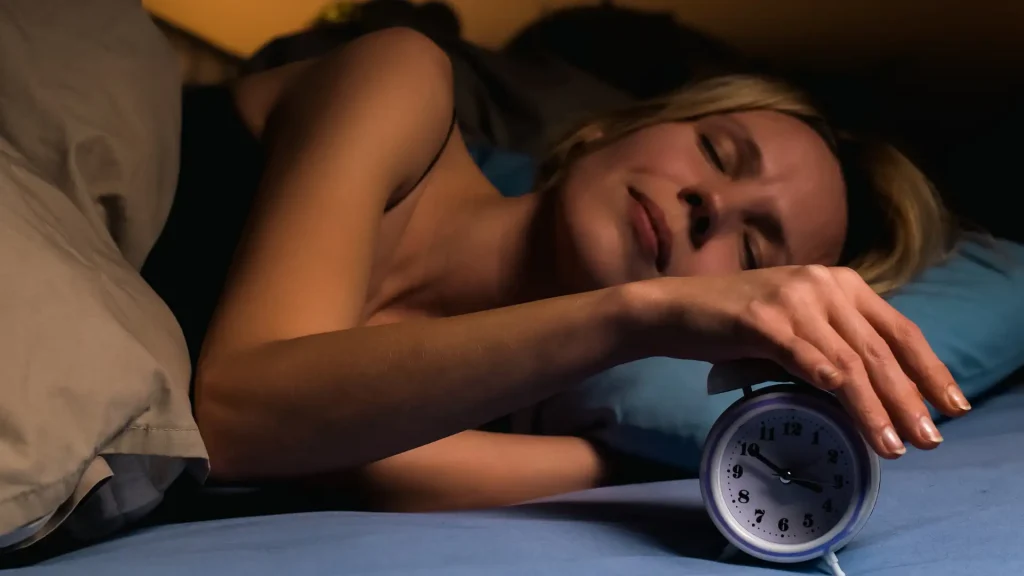
Understand the circadian rhythm It requires looking at the suprachiasmatic nucleus, a tiny structure in the hypothalamus that interprets light signals captured by the retina.
This central system operates like a conductor, orchestrating peripheral clocks located in the liver, kidneys, and muscles to keep the metabolic orchestra in harmony.
There is something fascinating about the precision of this mechanism: when the external environment communicates perfectly with biology, energy flows without noise or blockages.
What is the relationship between diet and circadian rhythm?
The digestive system has its own peripheral clocks that respond directly to meal times, modulating nutrient absorption and enzyme production.
Synchronizing eating windows with daylight optimizes cellular metabolism, ensuring greater energy utilization and preventing unnecessary accumulation of body fat.
How do natural light and darkness regulate energy levels throughout the day?
Early morning sunlight acts as an instant trigger, cutting off melatonin and signaling to the brain that it's time to spring into action.
At dusk, the change in the wavelengths of sunlight sends a subtle message to the body, initiating the deceleration process.
It is the contrast of nighttime darkness that finally allows the pineal gland to function, preparing the mind for the necessary rest.
What is the relationship between diet and circadian rhythm?
The digestive system has its own peripheral clocks that respond directly to meal times, modulating nutrient absorption and enzyme production.
Synchronizing eating windows with daylight optimizes cellular metabolism, ensuring greater energy utilization and preventing unnecessary accumulation of body fat.
++ The new relationship with alcohol and well-being among young adults.
Which hormones control mood and sleep patterns in the daily cycle?
The balance of our vitality depends on a continuous dance between two well-known protagonists: cortisol, focused on alertness, and melatonin, which induces sleep.
There's a misconception that cortisol is purely the villain, when in fact its morning peak is essential for getting us up and running.
The following table illustrates how these biomarkers fluctuate over the course of twenty-four hours, outlining the ideal rhythm of our biology.
++ Cables and connectors: How to choose the ideal model for each device.
| Estimated Time | Dominant Biomarker | Main Function in the Organism | State of Vitality |
| 06:00 – 08:00 | Cortisol | Increased pressure and alertness | High awakening |
| 10:00 – 12:00 | Testosterone / Focus | Peak of cognition | Peak production |
| 2:00 PM – 3:00 PM | Adenosine | Temporary lapse in attention | Temporary leave |
| 9:00 PM – 11:00 PM | Melatonin | Induction of biological rest | Transition to sleep |
How does modern life disrupt the biological clock and lead to chronic fatigue?
The artificial light emitted by screens at dusk tricks the hypothalamus, interrupting melatonin production even before we go to bed.
Repeating this habit, coupled with eating meals at irregular times, disrupts communication between the brain and peripheral organs, generating that permanent feeling of mental fog.
Constant stress keeps cortisol levels high when they should be falling, fragmenting sleep and preventing the recovery that the body so desperately needs.
We have created a scenario of permanent social jet lag, in which the body attempts to run outdated biological software in a hyperstimulated environment.
Reorganizing your routine is not an aesthetic luxury or a matter of being overly precious, but a basic physiological need for anyone seeking clarity and real productivity.
Ignoring subtle warning signs of exhaustion is costly, compromising immunity and accelerating the physical wear and tear that we usually attribute solely to aging.
What proven daily habits optimize daily vitality?

Adjust the circadian rhythm It requires fewer magic formulas and more consistency in simple gestures spread throughout your day.
Exposing your eyes to natural light in the first thirty minutes of the morning is the most efficient way to synchronize your central clock.
Eating dinner at least three hours before bedtime prevents digestion from directly interfering with the nighttime processes of cellular repair.
Maintaining predictable wake-up and bedtimes, even on weekends, creates a biological memory that makes it easier to fall asleep.
Dimming the lights in the house as soon as the sun sets sends a clear signal to the nervous system that the biological process is over.
Cutting out caffeine after 2 p.m. prevents the molecule from blocking sleep receptors at the moment when the body is calling for slowdown.
Exercising in the morning helps raise body temperature, which is necessary to maintain energy levels in the following hours.
Creating a nighttime wind-down ritual slows the heart rate and sets the stage for a smooth, anxiety-free shutdown.
++ Animals that can survive without eating for months.
Frequently Asked Questions (FAQ)
What is the circadian rhythm?
THE circadian rhythm It is the twenty-four-hour biological mechanism that coordinates metabolic, hormonal, and behavioral functions based on light cycles.
How does blue light affect energy levels during the day?
Blue light at night blocks melatonin, delaying sleep and compromising deep restoration, resulting in tiredness and lack of focus at dawn.
What's the best time to drink coffee without disrupting your sleep?
Ideally, you should wait between ninety and one hundred and twenty minutes after waking up and stop consuming alcohol around two o'clock in the afternoon.
Is it possible to adjust a disrupted biological clock?
Yes, with regular morning sun exposure, a consistent sleep routine, organized meals, and less artificial light at night.
How long does it take to resynchronize the circadian rhythm?
Generally, it takes the body between one and three weeks of consistent daily practice to recalibrate its internal markers.
Conclusion
Synchronizing your lifestyle with your biology is the shortest and smartest way to continuously regain physical and mental vigor.
Respecting the alternation between light and darkness gives the body the ideal conditions to work without overload or wasted energy.
Small changes in the environment and nighttime routine produce profound effects, restoring the clarity and vitality that modern life insists on stealing.
To explore more data on the impact of rest on human health, it's worth checking out the studies compiled by [organization name]. Harvard Medical School.