
Is solar energy renewable or non-renewable?
Advertisements
Do you know if solar energy is renewable or non-renewable? Which category does this type of energy fall into?
When it comes to energy generation options available to our society, there are several options for different profiles.
But they all fall into two categories that define the type of resource: renewable energy and non-renewable energy.
Although it may seem easy to identify which category each type fits into, the variety of energy types can end up causing doubts among those who are not so familiar with the subject.
And since we just created content focusing on solar energy in apartments, we decided to focus a little more on this type of energy.
Furthermore, we will also discover one of the main points about this energy: after all, is solar energy renewable or non-renewable.
Come find out here with us!
What is renewable energy and non-renewable energy?
As everyone knows, the entire planet is powered by some type of energy. Regardless of the sector or type, every aspect of our lives needs a certain energy.
And, generally speaking, these energies exist under a kind of main 'umbrella' that has two distinct categories: renewable and non-renewable energy.
It is important that we know how to define these two main categories of energy and understand the particularities of each of them.
What is each one? How to differentiate them? Come and find out more!
Renewable energies
Increasingly popular in our society, renewable energy – also known as alternative energy – are energy sources that come from nature.
As the name suggests, this category is known for its ability to be found in abundance in nature and, in addition, it has a high capacity for renewal in a short space of time.
Furthermore, another very notable characteristic of renewable energies is that they tend to have a low environmental impact on the planet.
It is no wonder that they are also known as clean energy.
Non-renewable energies
In addition to the existence of renewable energies, we also have non-renewable energies.
Because they have existed for longer than renewable energy sources, non-renewable energy sources are considered more traditional, as they are still very present in various sectors of our society.
Non-renewable energies are those that use resources that have reserves that are limited in nature.
This factor means that these non-renewable energies could become extinct, since excessive use can deplete the reserves that already exist in nature, and these resources take millions of years to replenish.
Another point about this type of non-renewable energy is that, unlike the previous option, its use generates major environmental impacts on our planet, as it involves the emission of polluting gases that are released directly into our atmosphere.
Therefore, the search to replace these non-renewable energies with renewable energies is so important for the future of our planet and must be increasingly encouraged.
What are the main types of energy that exist?
Now that you know what defines each type of energy, how about we talk a little more about the most popular and well-known types of energy between these two categories?
Among the main non-renewable options are: oil, natural gas, coal and nuclear energy.
Among the main renewable energy options are: hydroelectric energy (which uses river water), biomass (with organic materials), wind energy (generated by the wind) and geothermal energy (which uses heat from within the Earth).
So? With what you've read so far, have you figured out whether solar energy is renewable or non-renewable?
Next, we have prepared a special topic to talk a little more about it!
Learn a little more about solar energy
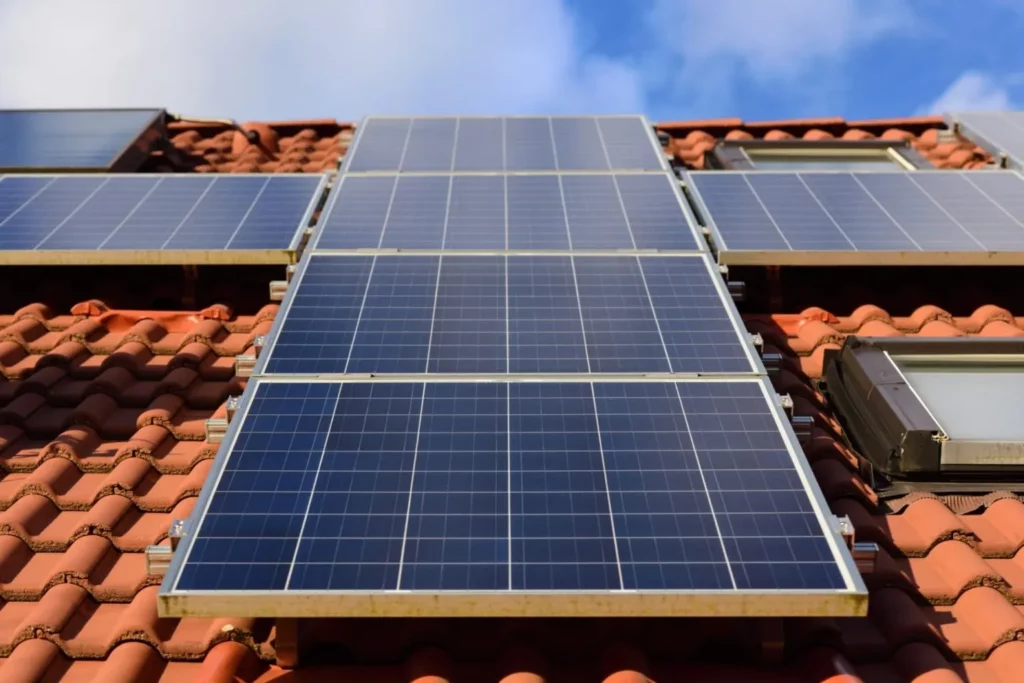
Now that we've taken a brief tour of renewable and non-renewable energy, it's time to talk about the 'protagonist' of our text today: solar energy.
As the name suggests, this type of energy uses the Sun as a source.
Available for installation all over the planet, this type of energy is becoming more popular with each passing day.
This solar energy can be used for two types of purposes: to capture heat – solar thermal energy – and also to generate electrical energy.
This second use also has two categories, being photovoltaic solar energy and heliothermal energy.
Despite being a trend in energy generation and being increasingly used, the installation of all the equipment for generating this type of energy – such as solar panels and other items – is still considered a very high investment.
This makes it still an inaccessible resource for the average Brazilian.
Is solar energy renewable or non-renewable?
And now we come to the burning question – and which, in a way, gave rise to our material: is solar energy renewable or non-renewable?
Whoever said that solar energy is renewable was right!
Taking into account that solar energy uses the largest star in our solar system as its energy source, it is clear that this type of energy will always be renewed!
Because it uses radiation emitted by the sun, it is safe to say that solar energy is an inexhaustible source of energy. After all, as everyone knows, the Sun will still be there, shining peacefully for the next billion years.
In other words: if there is a type of energy that is inexhaustible, it is solar energy!
Conclusion
So, have you already guessed what type of energy solar energy is?
After everything we talked about throughout the text, it became easier to find out, right?
Now talking about solar energy itself: this type of resource can be extremely advantageous for the population – especially in a tropical country with so much solar incidence like Brazil.
Now we just have to wait for this type of installation to become more accessible in the future.
This way, in addition to helping the environment, Brazilians will also be able to save on their electricity bills.
Did you like this content? Then why not take the opportunity to read it too Solar energy in apartments: the advantages and disadvantages!
