Kitchen Colors: How to Choose the Perfect Palette
Colors for the kitchen!
Advertisements
The kitchen is more than a functional space; it is the heart of the home, where stories are shared, meals come to life and memories are made.
Choose the kitchen colors It is not just an aesthetic issue, but a decision that influences the mood, functionality and even the perception of space.
With so many options available, from vibrant hues to timeless neutrals, how do you find the perfect palette?
This text explores intelligent strategies, with well-founded arguments, practical examples and insights to transform your kitchen into a unique, functional and welcoming environment.
The Psychology of Colors in the Kitchen
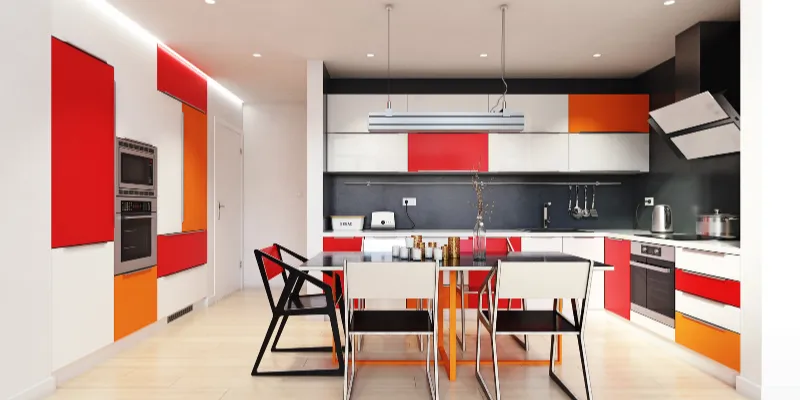
Colors have a profound impact on human behavior and the kitchen is no different.
For example, warm tones like red and orange stimulate appetite and sociability, making them ideal for kitchens that are family gathering spots.
However, too much red can create a sense of urgency or modernity, which can be counterproductive in a space where relaxation is also desired.
So, balancing warm tones with neutrals, such as beige or light gray, can create an inviting atmosphere without overwhelming the space.
On the other hand, colors Cool colors like blue and green bring serenity and freshness, perfect for kitchens where calm is a priority.
Studies show that blue can reduce the perception of hunger, or that it can be useful for those seeking a more controlled lifestyle.
However, in small kitchens, very dark shades, such as navy blue, can make the space appear smaller.
Therefore, the choice of color must consider both the emotional impact and the dimensions of the environment.
A useful analogy is to think of the cores as ingredients in a recipe: each one adds a unique flavor, but balance is essential for the final dish to be harmonious.
Imagine a kitchen with soft yellow tones combined with natural wood details – it’s like a light and comforting dish that warms without being overwhelming.
++ Why visual comfort is essential for mental rest
So before you choose your palette, ask yourself: what kind of emotional “flavor” do you want your kitchen to convey?
| Color | Psychological Effect | Ideal for |
|---|---|---|
| Red | Stimulates appetite and energy | Vibrant, social kitchens |
| Blue | Promotes calm, reduces hunger | Quiet and modern kitchens |
| Yellow | Inspires creativity and happiness | Cheerful and welcoming kitchens |
| Green | Evoke balance and freshness | Sustainable or relaxing kitchens |
| Neutrals | Versatility and sophistication | Minimalist or timeless kitchens |
How Size and Lighting Influence Color Choice
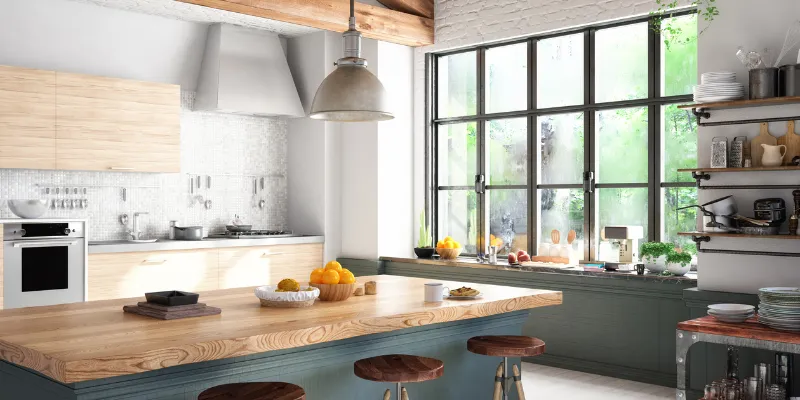
The size of the kitchen is a determining factor in choosing the palette.
In small spaces, light colors such as white, cream or gray are powerful allies, as they reflect light and create a feeling of spaciousness.
++ How to stay in a good mood even on difficult days
For example, a compact kitchen with white walls and pastel cabinets, such as lavender, can feel more spacious and airy, especially when combined with good natural lighting.
However, avoiding too much white is crucial to avoid making the environment cold or impersonal.
On the other hand, large kitchens allow for greater creative freedom.
Dark tones, such as charcoal or forest green, can add sophistication and depth when balanced with light elements, such as marble countertops or reinforced tiles.
Furthermore, artificial lighting plays a crucial role.
An interesting statistic reveals that 781% of homeowners consider lighting to be a decisive factor in the perception of colors in indoor environments (research by Lighting Research Center, 2023).
So testing the cores under different light conditions before deciding is a smart strategy.
Also consider the modern style of your home.
A rustic kitchen, for example, combines well with earthy tones, such as terracotta or ochre, which reinforce the connection with nature.
A modern kitchen can benefit from bold contrasts, such as matte black with yellow details.
The key is to align size, lighting, and style to create a palette that is both functional and aesthetically cohesive.
After all, why limit your kitchen to a single vibe when it can reflect multiple facets of your personality?
| Kitchen Size | Recommended Cores | Lighting Tips |
|---|---|---|
| Small | White, pastel, light gray | White LED lighting, reflective mirrors |
| Media | Neutral tones with vibrant details | Directional recessed and pendant lights |
| Big | Dark colors with light contrasts | Combination of natural and artificial light |
Current Trends and How to Adapt Them Intelligently
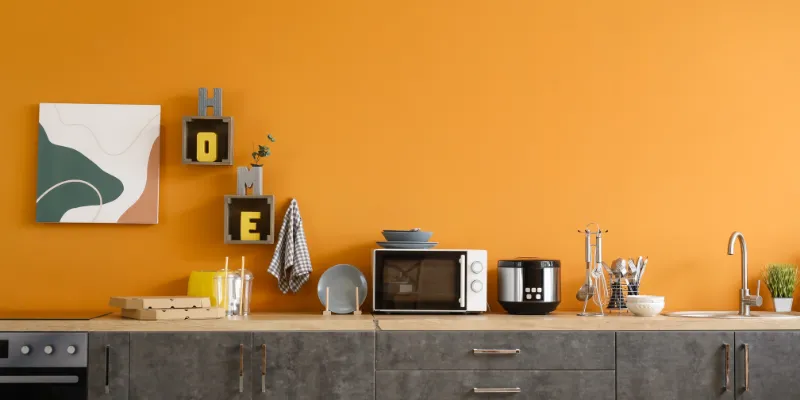
The kitchen color trends for 2025 bring a mix of boldness and practicality.
Saturated hues like teal and terracotta are trending, especially in accents like cabinetry or backsplashes.
However, blindly following trends can result in a dated space within a few years.
So a smarter approach is to incorporate trends subtly, using trendy colors in simple-to-replace elements like accessories or accent walls.
For example, a kitchen with white cabinets can be livened up with an olive green accent wall, a color that reflects the natural tones trend but is also timeless enough not to get old.
Another idea is to use colorful decorative elements, such as a red mixer or a retro pastel stove, to add personality without compromising the neutral base of the kitchen.
This strategy allows the space to evolve over time, without major renovations.
Furthermore, sustainability is shaping core choices.
Eco-friendly paints in earthy tones, such as clay or moss, are gaining popularity for their connection to nature and lower environmental impact.
The question is: why not create a kitchen that is as good for the planet as it is for the eyes?
By combining trends with conscious choices, you ensure a space that is modern, functional and aligned with contemporary values.
| Trend 2025 | How to Embed | Advantage |
|---|---|---|
| Terrible tons | Terracotta walls or accessories | Connection with nature, timelessness |
| Saturated cores | Details in teal or mustard blue | Modernity and personality |
| Textured Neutrals | Cabinets in matte gray or beige | Sophistication and elegance |
Practical Examples to Inspire Your Choice
Image: Canva
Example 1: The Cozy and Compact Kitchen
Imagine a small kitchen in an urban apartment.
To maximize the space, the homeowners opted for a creamy white palette on the walls and cabinets, with soft yellow accents on the chairs and curtains.
The light gray geometric tile backsplash adds texture without being overwhelming.
The result is a space that feels larger, brighter and more welcoming, perfect for quick meals or a leisurely breakfast.
The choice of yellow brings energy, while white maintains lightness, proving that light colors can be vibrant when well combined.
Example 2: The Bold Modern Kitchen
In a large home, the homeowner decided to go bold with a matte black palette on the lower cabinets, paired with white quartzite countertops and an emerald green accent wall.
Gold-toned pendant lighting adds a touch of luxury, while stainless steel appliances keep things modern.
This palette creates a dramatic yet balanced contrast, ideal for those who love to cook and entertain.
Emerald green, a 2025 trend, adds freshness, while black ensures timeless sophistication.
Kitchen colors: Frequently Asked Questions
| Question | Response |
|---|---|
| Can I use dark colors in small kitchens? | Yes, but in moderation. Use it in details, like an accent wall, and combine it with light colors to balance it out. |
| What is the best color for a small kitchen? | Light tones, such as white, beige or pastel, increase the feeling of space. |
| How to combine colors without making mistakes? | Choose a main color (60%), a secondary color (30%) and an accent color (10%) to create harmony. |
| Do vibrant colors like time? | They can be overused. Apply them to accessories or smaller areas to make changes easier. |
| How to test cores before painting? | Use paint samples on small areas and observe different lights (natural and artificial). |
Kitchen colors: Conclusion
Choose the kitchen colors is a journey that combines emotion, functionality and creativity.
By considering the psychology of colors, the size of the space, lighting, and current trends, you can create an environment that is not only beautiful, but also a reflection of your personality.
Whether you opt for timeless neutral tones or dare to go bold with vibrant colors, the key is balance and intention.
So what story do you want to tell with your kitchen palette?
Start today to transform this space into a place that inspires, welcomes and surprises.