
Medicinal plants names: discover everything about the main ones
Advertisements
It's time for you to learn more about medicinal plants: names and the main ones you need to know to live well!
The vast majority of us grew up listening to our parents talking about the importance of eating well and how different types of plants – be they fruits, vegetables or greens – play an extremely important role in our health, right?
And as we become adults, we realize that they were more than right: having a regular eating routine that prioritizes the consumption of these foods makes all the difference in the short, medium and long term for our health.
But the wonder behind the world of plants is that, in addition to these properties that we know that fruits, vegetables and greens can offer, there is a huge variety of medicinal plants that can benefit different areas of our body, ensuring greater health and well-being for those who use these plants frequently or even daily.
And to help you discover a little more about the magic of the world of medicinal plants, we had the idea of creating the content you are about to read!
In today's material, our focus will be on the main medicinal plants: names, functions and benefits that their consumption can bring to our health in various aspects.
Medicinal plants names: discover everything about the main ones
Those who follow Trechos da Vida already know that we love talking about plants! We have already written content bringing together tips for using them in decoration and good practices for you to take good care of your plants.
And in today's material, we're going to talk about plants, but from a different perspective: medicinal plants!
Below, we have separated some of the main medicinal plants: names, characteristics and what are the main functions of these medicinal plants that you need to know and, who knows, add to your daily life to improve your health!
Arnica
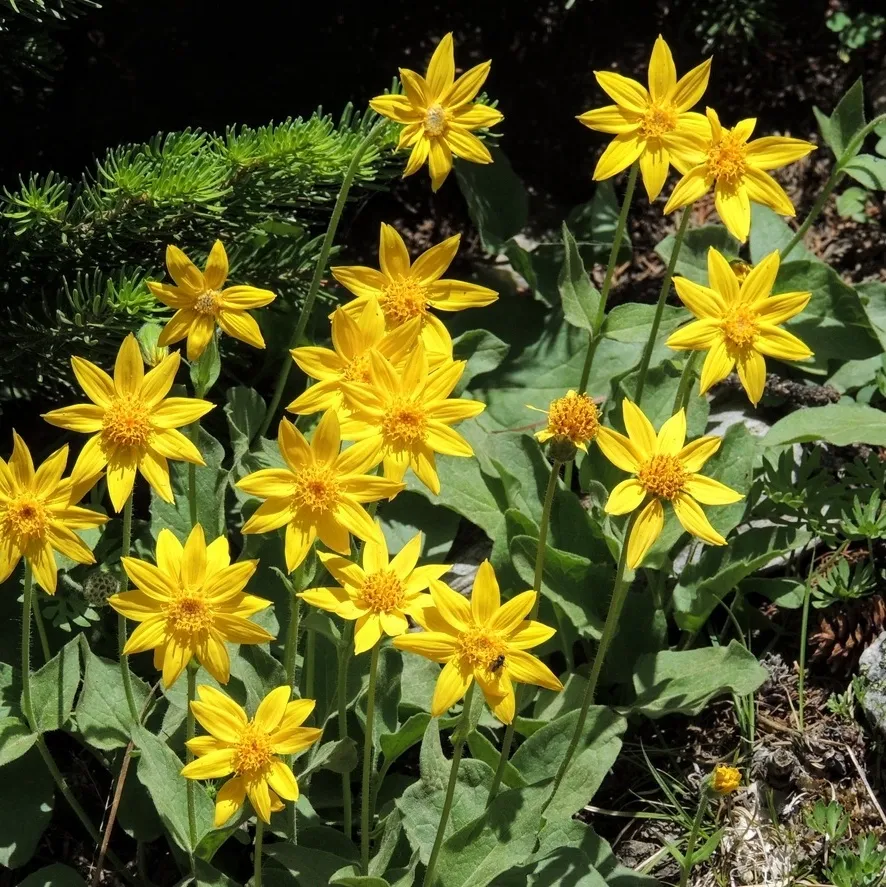
One of the medicinal plants best known to the population is Arnica. It is known for being an excellent analgesic, anti-inflammatory, antimicrobial and healing agent.
It is recommended for use in rheumatic pain, itching and insect bites, but be careful how you use it, as it is not recommended to ingest the plant in tea form, as it can be toxic to the liver.
Medicinal plants | Aloe vera

Another plant that is a A great natural remedy is Aloe Vera, including in Brazil, it is a plant that has been used medicinally for many years.
Despite having several uses when it comes to treating diseases, Aloe Vera's best known use is to help heal burns, acting as an anti-inflammation agent for the mucous membranes of the skin.
and bringing a feeling of relief to the burned area.
Furthermore, Aloe Vera is an excellent laxative, vermifuge and also helps with hair hydration and growth.
It is usually used by cutting the plant and using the substance inside the leaves.
Barbatimão

Another plant full of medicinal options is Barbatimão, which is rich in flavonoids, alkaloids and sterols, which are antibacterial, antiseptic and anti-inflammatory.
Barbatimão is widely used on bruises, wounds and burns, as it acts directly to clean, disinfect and heal the wound.
A tea is usually made with the plant and then placed in the refrigerator to cool. Then, simply apply it to the wound and repeat the process until healing is complete.
Medicinal plants | Boldo

Many people, especially older people, tend to have boldo in their backyards to use as a tea and it really is an excellent medicinal plant.
Rich in medicinal properties, boldo is used to help cleanse the liver, aid digestion and even relieve that feeling of nausea that you may have after eating something that didn't agree with you.
Many people even use it to help cure a hangover, as it acts on the liver and can therefore help with stomach problems and headaches;
Take the opportunity to read it too 👉 Plants that attract positive energy: 5 options to grow at home
Lemon Balm

One of the most famous plants when it comes to medicinal plants is lemon balm, which many mothers and fathers even make tea from to give to children and it really is an excellent option.
It can be good for helping with digestive problems and also acts on the nervous system, helping to calm and reduce the anxiety we feel.
Medicinal plants | Guaco
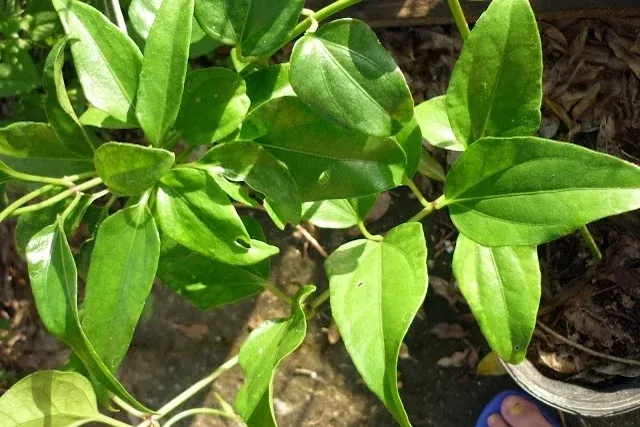
When it comes to severe flu or respiratory problems, one of the plants with the most medicinal properties is Guaco.
A plant native to Southeast Brazil, Guaco can help to clear nasal passages and strengthen the lungs, even helping to reduce coughs and eliminate mucus and phlegm from the chest.
It is usually taken in tea form and can be used by adults and children.
Bay Leaf

You know that bay leaf that your grandmother puts in feijoada or beans after cooking? Well, it's a plant rich in medicinal properties.
The leaves are rich in magnesium, vitamins and potassium and act directly on our body to combat inflammation, bacteria, indigestion and fungi.
You can make bay leaves as a tea, but you can also add a few leaves to your food or even to your ice water before drinking it in the morning.
Conclusion
So, what did you think of our list of medicinal plants? Did you already know the importance and characteristics of each one?
As you can see, if it depends on the benefits that medicinal plants can offer us, our health is in good hands!
And now that you know a little more about the main benefits of consuming these medicinal plants, it's now easier to take care of your health!
The next step is to choose which one makes the most sense for your daily life – and for your health – and start consuming more of these medicinal plants.
We are sure that your health will benefit greatly over time!
Did you like the content we prepared today? Then I think you will also enjoy reading What plants like sun? Discover 7 species!
