
Plants that are harmful to cats: See how to keep your pet healthy
Advertisements
Did you know that there are plants that are harmful to cats? Discover some of them here so you can avoid them.
Balancing life as a pet parent and a plant parent can be more difficult than many people imagine.
This is because, at the same time that you want to fill your home with plants in every possible corner, you also need to take into consideration the health and well-being of your pet.
In nature, there are several plants that may even seem harmless and free from any suspicion.
But you need to be careful, as there are several species of plants that are highly toxic and harmful to your pets' health.
And to alert owners about the dangers that certain plants can pose to pets, we created this special content aimed at cat parents.
Here, you will learn about some plants that are very beautiful, but behind their beauty, they hide dangers that can put the life of your cat – or your cats – at risk if they are ingested.
Discover 5 plants that are harmful to cats
Check out 5 plants that are harmful to cats below so you can think twice before growing any of them in your home or garden.
Calla lily

How about we start with one of the most beautiful flowers known in gardens?
The beauty of this plant makes it widely used in event decoration, such as weddings and birthdays.
Furthermore, because it is highly regarded by plant parents, it is a highly sought-after plant.
But it is not a recommended plant for those who have pets or even small children at home.
Both the flower, leaves and stems contain poisonous substances that can cause serious accidents.
The main symptoms include: irritation and excessive salivation.
Snake Plant: it can even ward off bad energy, but it is one of the plants that is harmful to cats.
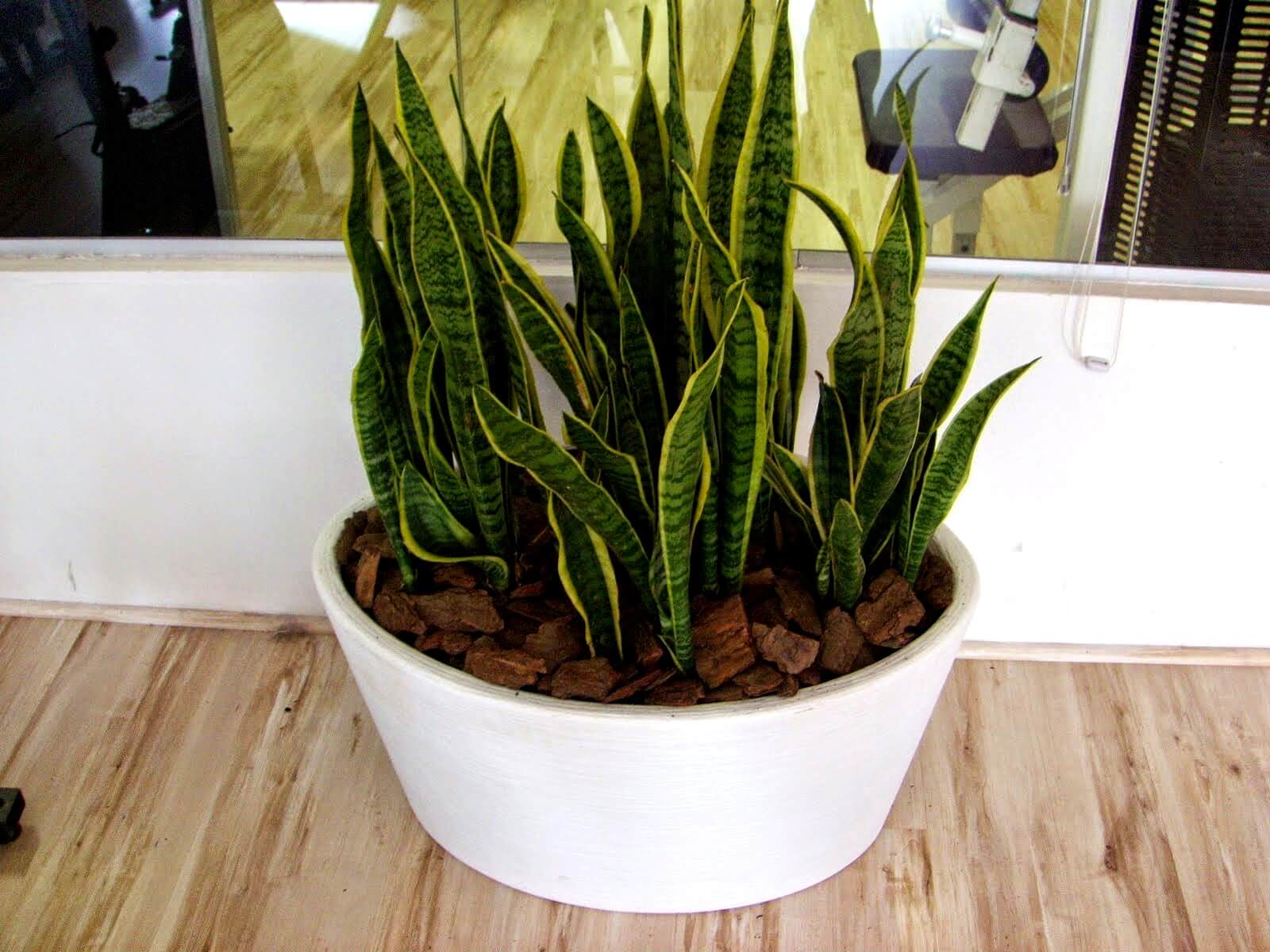
Another plant that is quite common in Brazilian homes and gardens is the famous snake plant!
And the popularity of this plant is not without reason.
According to popular belief, the snake plant is known to protect the home from negative energies and bring protection to the residence.
But this type of protection does not seem to extend to pets, as it is one of the plants that is harmful to cats and dogs.
The main symptoms include: excessive salivation and difficulty swallowing.
Violet, a delicate plant that can be harmful to cats
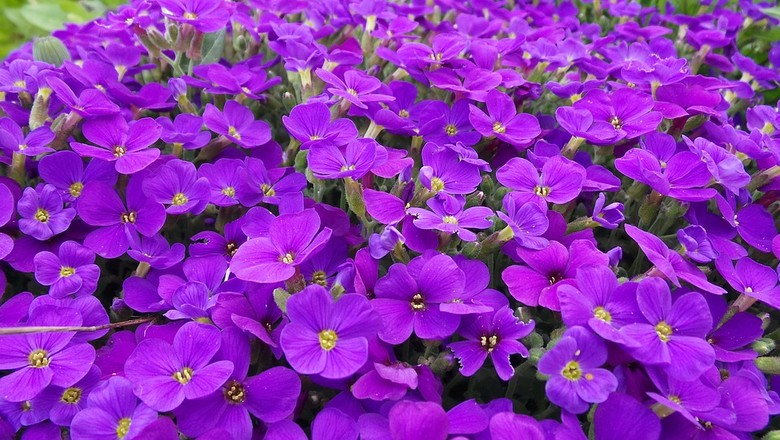
Who has never seen a vase of violets in someone's house?
Despite being a very beautiful flower and attracting attention for its delicacy, it is also one of the most dangerous plants for the health and well-being of cats.
The main symptoms include: vomiting, diarrhea and even respiratory problems.
Comigo-ninguém-pode and its talk of being one of the plants harmful to cats
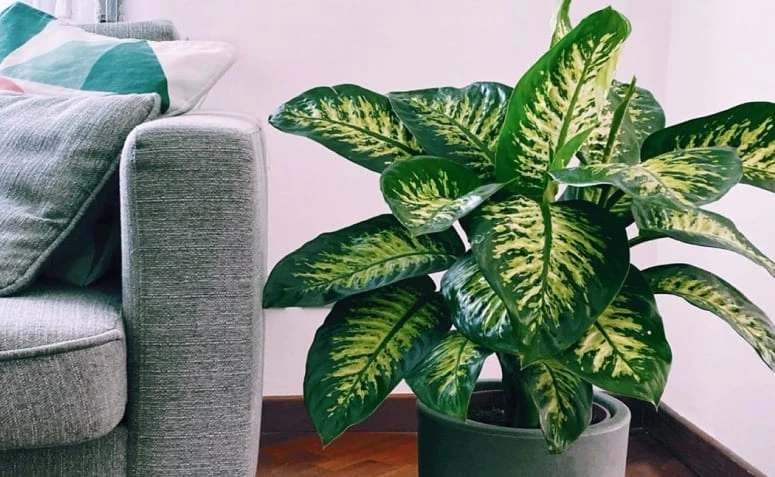
The name of the plant itself indicates that this is not a flower that can be smelled.
The stingless catnip is toxic not only to cats, but also to all other members of the family. It causes irritation, burning, excessive salivation and difficulty swallowing.
The main symptoms include: irritation and excessive salivation.
Tulip
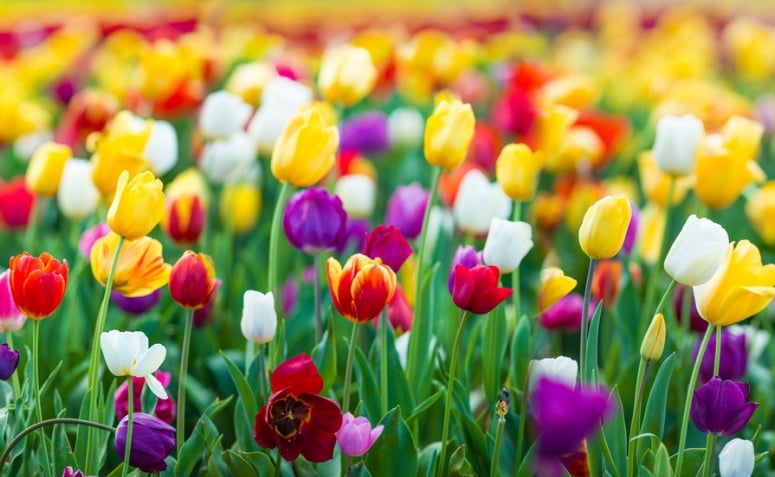
If there is a flower that represents beauty and elegance, it is the tulip. The plant – which, like the calla lily, is widely used in decoration – draws attention for its beauty.
But don't be fooled.
Tulips are also one of the most harmful plants for cats if ingested.
The main symptoms include: diarrhea, vomiting and irritation.
In addition to these, plants such as lilies, azaleas, hydrangeas and dracaenas are just some of the plants that pose a huge danger to your cat's health.
Therefore, to avoid the risk of accidents, it is best to keep them well away from your pets and even small children.
Take the opportunity to read too 👉 How to care for orchids purchased on the market?
How do you know if your pet is suffering from poisoning?
Although it is important to know – and, only then, know how to avoid having at home – some of the plants that are harmful to cats, the care in this regard does not stop there.
If your cat is one of those that is raised free-range and is always roaming around, knowing how to recognize the signs of possible poisoning can make all the difference.
After all, even if you don't have any of the plants mentioned here in your home, there's nothing stopping your cat from ingesting them at a neighbor's house or even on the street or in a nearby garden.
According to veterinarians and animal health experts, there are several common symptoms that a cat may experience after consuming a plant that is toxic to them.
Symptoms range from the mildest – such as loss of appetite and apathy – to much more worrying signs, such as diarrhea, vomiting, convulsions and even loss of motor coordination.
What to do if you notice signs of poisoning from ingesting plants that are harmful to cats?
Even though some of the symptoms mentioned in the previous topic are milder than others, you can never be too careful in these situations.
If you notice any of the symptoms listed here, it is recommended that you seek specialized care as soon as possible.
Although there are several recipes for 'miracle' remedies on the internet to use in situations like these, it is not recommended to follow any of them.
After all, only a qualified professional can prescribe the best treatment for your cat.
Conclusion
As you can see, there is no shortage of plants that are harmful to cats.
Therefore, you can never be too careful.
In addition to these, there are several others that, without the necessary information, guardians may end up buying and taking home.
And this ends up posing risks to your pets, whether cats or dogs.
Therefore, if you have a furry friend at home, it is worth investing a little time in researching the properties of a plant before bringing it into your home.
This way, you will be looking after your pet's health and protecting it from possible poisoning or health problems that may arise if these plants are ingested!
Your cat will thank you!
What did you think of this content? If you liked it, take advantage and read it too Foods that cats and dogs absolutely cannot eat
