Why are some animals able to regenerate body parts?
Looking at the biology of certain organisms is to confront a fragility that we humans are reluctant to accept. While our skin closes in rigid and permanent scars, other species simply ignore the end of the line and recreate what they have lost.
Advertisements
This evolutionary asymmetry has always intrigued those who study life at its most intimate level. After all, why does the same natural process that builds a body decide to stop abruptly in some and continue perpetually in others?
Unraveling this mechanism is not merely an exercise in scientific curiosity. It's about investigating one of evolution's best-kept secrets, the answers to which are beginning to redefine what we thought was possible in medicine.
Summary
- How does tissue regeneration work in the animal kingdom?
- Which animals possess the greatest regenerative capabilities in nature?
- What are the main differences between human regeneration and scarring?
- How does the study of these living organisms drive modern medicine?
- Frequently Asked Questions (FAQ)
- Conclusion
How does tissue regeneration work in the animal kingdom?
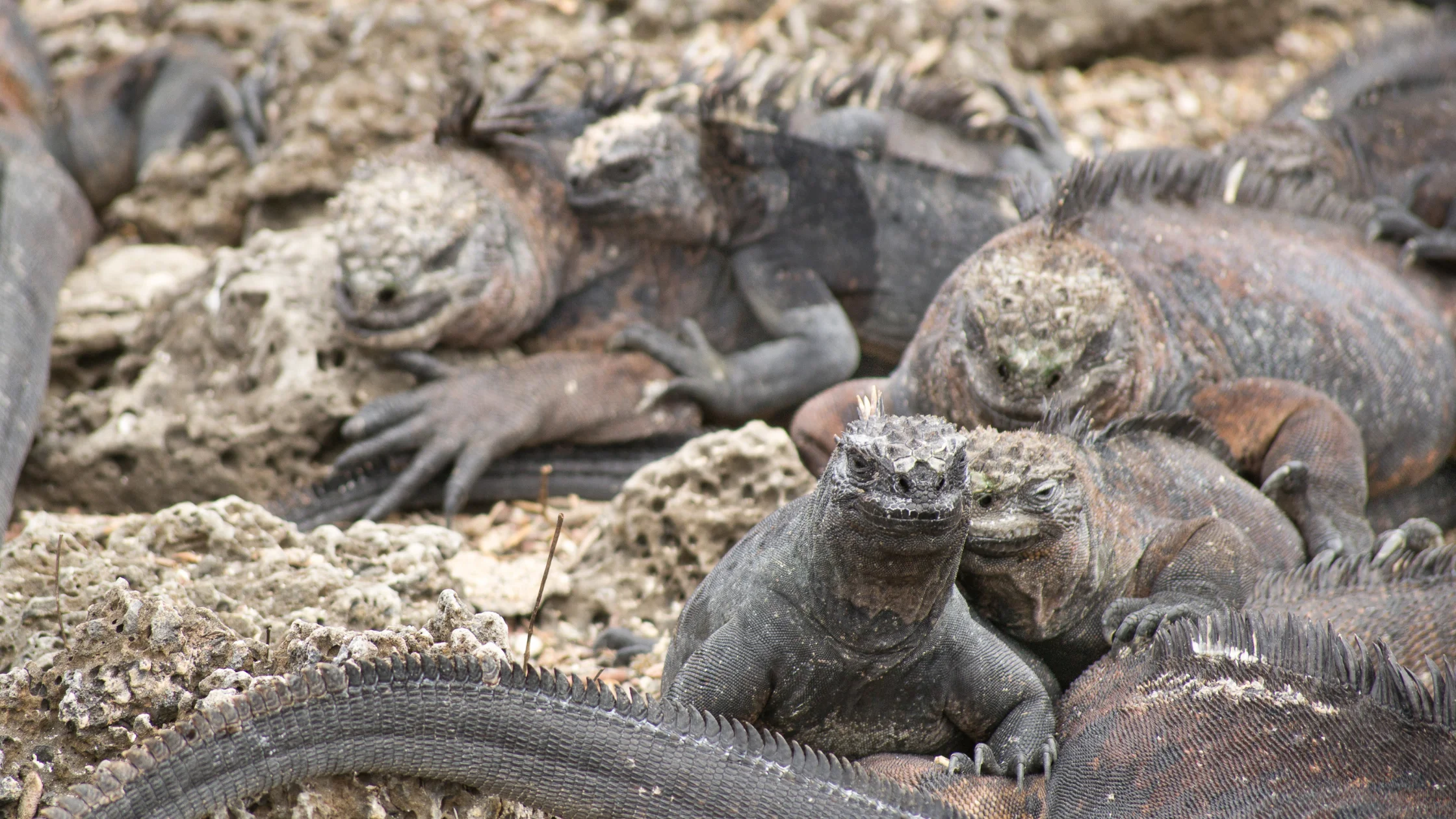
The idea that Animals are able to regenerate body parts. It sounds like witchcraft, but it's pure cellular engineering. When a limb is amputated, the organism doesn't collapse; it triggers a highly controlled alarm.
Instead of blindly stopping the bleeding with a haste that generates fibrosis, the body silences the destructive inflammation. The epithelial tissue quickly slides over the wound, creating an invisible protective dome.
Below this surface, the real magic happens: the birth of the blastema. This is a mass of cells that forget who they were, shedding their adult identities to become a wildcard army.
These progenitor cells multiply without losing their bearings, guided by ancient spatial coordinates. They know exactly where to stack bones, stretch nerves, and pump blood vessels in the precise position.
The National Center for Biotechnology Information documents how this control prevents uncontrolled proliferation from turning into a tumor. There is a hidden mathematical discipline in this controlled chaos.
The peripheral nervous system acts as the conductor of this silent orchestra. Without the electrical impulses and chemical factors released by neighboring nerves, reconstruction simply stalls halfway through.
Essentially, it's as if the animal is rewinding the tape of its own embryology. The information about who it is was never truly lost; it was simply stored in the right place.
++ Rogue black hole devours star and surprises astronomers.
Which animals possess the greatest regenerative capabilities in nature?
Observe how these Animals are able to regenerate body parts. It's an unsettling reminder that our biology has fallen short. The diversity of strategies is disconcerting.
The axolotl (Ambystoma mexicanumThis aquatic salamander defies biological common sense. It regenerates entire legs, pieces of the brain, and even its own heart without leaving a single trace of a scar.
Planarians take this resilience to a philosophical extreme. If you cut one of these worms into pieces, each tiny fragment reorganizes its stem cells and reconstructs a complete individual, with preserved memories.
Freshwater hydras seem to laugh at their own mortality. They continuously replace every cell in their bodies, in a perpetual flow that makes it almost impossible to define when a hydra was actually born.
Geckos rely on the practicality of autotomy. To escape an attack, they sacrifice their own tail, which thrashes about on its own while the animal flees, rebuilding a cartilaginous semblance weeks later.
The table below organizes these biological strategies that so fascinate laboratories around the world:
| Animal Species | Regenerated Structures | Main Biological Mechanism | Average Restoration Time |
| Axolotl (Ambystoma mexicanum) | Limbs, tail, spinal cord, heart | Blastema formation and cell dedifferentiation | 30 to 60 days |
| Planaria (Schmidtea mediterranea) | The entire organism from fragments | Pluripotent stem cells (Neoblasts) | 7 to 14 days |
| Lizard (Hemidactylus mabouia) | Tail and segmented spinal tissues | Autotomy and replacement with a cartilaginous rod. | 20 to 40 days |
| Small Sea Cucumber (Holothuroidea) | Digestive system and visceral organs | Transdifferentiation of epithelial tissues | 15 to 30 days |
| Zebrafish (Danio rerio) | Fins, retina, and heart tissue | Dedifferentiation of cardiomyocytes and blastema | 14 to 28 days |
The zebrafish (Danio rerio) is another remarkable case. He manages to tear off a piece of his own ventricle and, weeks later, swim as if nothing had happened.
These variations show that evolution has tested different paths to solve the same survival problem. What changes is not the raw material, but the genetic courage to use it.
++ Andromeda's star shows signs of a rare cosmic shift.
What are the main differences between human regeneration and scarring?
When we look in the mirror and realize that Animals are able to regenerate body parts. While we collect the marks of past falls, we understand the price of our own evolution.
Our biological priority has never been aesthetic perfection; it has been immediate survival. Losing blood on the savannah meant becoming prey, so the body chose to stop the damage at any cost.
The result is fibrotic scarring. The body dumps disorganized collagen over the tear, gluing the ends together like someone using super glue to fix a broken vase.
It works to prevent infections, but it destroys the original architecture. We lose glands, hair follicles, and the fine texture of the tissue, replaced by a rigid, mute scar.
Behind this lies a subtle evolutionary choice. Mammals have developed rigorous safety mechanisms against cancer. After all, an uncontrolled blastema is, in essence, a potential tumor.
Young children still have a glimpse of this, regenerating fingertips accidentally amputated. But this window closes quickly, silenced by biochemical safeguards that prioritize order.
The difference lies not in the lack of a genetic code, but in the fact that we have chosen stability over plasticity. Our biology prefers to heal rather than risk recreating.
What does the future hold for regenerative medicine inspired by wildlife?
Advances in the study of animal regenerative biology indicate that we are only at the beginning of a profound therapeutic revolution in modern medicine and laboratory bioengineering.
Ongoing investigations coordinated by leading global institutions, such as the prestigious Harvard Medical School, They are analyzing safe ways to activate similar cellular pathways in damaged human tissues.
Unraveling these evolutionary secrets promises to transform future treatments, replacing complex transplants with molecular stimuli capable of restoring bodily integrity in a completely natural and efficient way.
How does the study of these living organisms drive modern medicine?
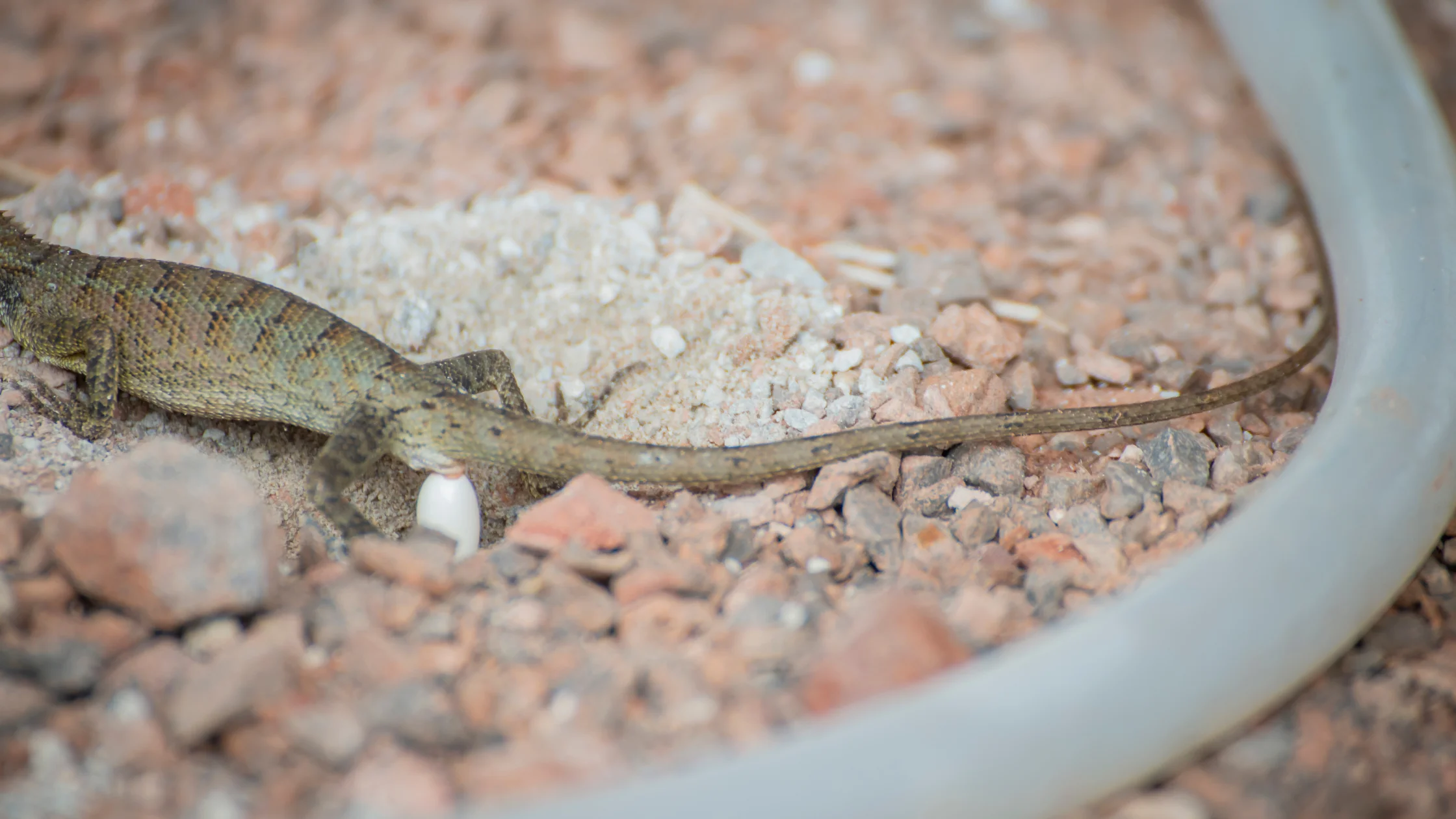
Bioengineering is already able to reprogram adult human cells, restoring their versatility to that of embryonic stem cells. The goal is obvious: to teach the body to remember what it has forgotten.
Scientists are mapping transcription factors capable of awakening dormant genes in human heart tissue after a heart attack, attempting to mimic the boldness of zebrafish.
Synthetic three-dimensional matrices are beginning to be used in laboratories to simulate the blastema environment, guiding the healing of large burns without leaving deep scars.
Nature regularly documents advances where cell signaling pathways are manipulated to accelerate healing without sequelae, bringing us tentatively closer to the biology of amphibians.
Oncology goes hand in hand with this quest, ensuring that any future regenerative stimulus is accompanied by rigorous controls against unwanted tumor proliferation.
The horizon points to an era where replacing damaged tissue will not require transplant waiting lists, but rather a subtle chemical command applied directly to the lesion.
++ Lava planet reflects up to 75% of light and intrigues astronomers in space.
How does science explore the regenerative capacity in the animal kingdom?
Scientists around the world have dedicated decades of study to decoding how certain organisms reactivate embryonic genetic circuits, allowing highly complex tissues to rebuild themselves from scratch without leaving debilitating marks or scars.
To deepen your understanding of the genetic basis and cell proliferation mechanisms of these species, you can consult the scientific publications of... National Institutes of Health , one of the world's leading institutions in biomedical research.
The data gathered in these repositories show how the regulation of molecular signaling prevents the accelerated proliferation of blastema from getting out of control and evolving into malignant tumor formations.
These discoveries serve as a foundation for the development of biomaterials and stem cell therapies that promise to revolutionize the treatment of severe trauma in humans.
By mapping the immune behavior and gene regulation of these animals, science is getting closer to the real possibility of inducing the restoration of muscle, nerve, and even internal organ tissue in human patients.
Frequently Asked Questions (FAQ)
Why can't humans regenerate lost limbs?
Our evolution prioritized the rapid closure of wounds through fibrosis to avoid lethal infections, silencing regenerative genes to protect us against the development of uncontrolled tumors.
What is the animal with the greatest regenerative capacity on the planet?
The planarian leads this ranking, since a single microscopic fragment of its body contains stem cells capable of rebuilding an entire organism, perfectly functional and structured.
Is it true that a gecko's tail grows back identically to its original shape?
Not exactly. The new limb is functional and fools predators, but the internal structure replaces articulated bony vertebrae with a continuous, simple tube of rigid cartilage.
Can the human heart undergo some kind of natural regeneration?
The human heart has a minimal capacity, restricted to slight cellular turnover, with severe damage almost always being replaced by fibrotic scar tissue, unlike in zebrafish.
Can axolotls regenerate their own brain tissue?
Yes, the axolotl possesses the impressive ability to rebuild parts of brain tissue and entire neural networks after severe trauma, fully recovering their original biological functions.
Conclusion
Understanding the mechanism by which Animals are able to regenerate body parts. It forces us to view our own biology not as a top-of-the-line option, but as a compromise choice.
Those salamanders and worms hold in their DNA a map that we decided to archive in exchange for protection against cancer and faster healing.
As science learns to reopen these forgotten biological drawers, the chasm between the miracle of nature and the human laboratory is finally beginning to diminish.