Rugs in decoration: how to choose the ideal model
Advertisements
Rugs in decoration are much more than mere accessories; they are elements that shape the identity of an environment, balancing aesthetics, functionality and comfort.
Choosing the ideal model requires a careful look at the nuances of the space, the needs of the residents and the trends that reflect the personality of the home.
Below, we’ll explore how rugs can transform spaces, offering practical tips, creative examples and smart insights to help you make the perfect choice.
The Importance of Rugs in Decoration

Firstly, it is essential to understand that rugs in decoration play a structural role in the visual composition of a room.
Just as a score organizes the notes of a melody, a rug harmonizes the elements of a room, defining zones, connecting furniture and bringing unity.
For example, in a living room, a well-placed rug can anchor the sofa and armchairs, creating a cohesive living area.
Plus, it adds layers of texture, softening cold surfaces like porcelain or wood floors.
Furthermore, rugs have a practical function that goes beyond aesthetics.
They absorb noise, provide thermal comfort and increase safety, especially in homes with children or the elderly.
An interesting statistic reveals that 781% of Brazilians consider comfort a decisive factor when choosing decorative items, according to a survey by the Brazilian Association of Interior Design (ABD) in 2023.
Therefore, when you invest in rugs in your decor, you are not only beautifying the space, but also improving your quality of life.
Ultimately, rugs are a canvas to express personality.
Whether through geometric patterns that evoke modernity or handcrafted models that tell stories, they allow residents to imprint their essence on the environment.
But how do you choose the right rug among so many options?
++ How to Set Up a Professional Kitchen at Home: Equipment and Tips
This rhetorical question brings us to the next topic: the criteria that guide a successful decision.
Rugs in decoration: Criteria for Choosing the Ideal Rug
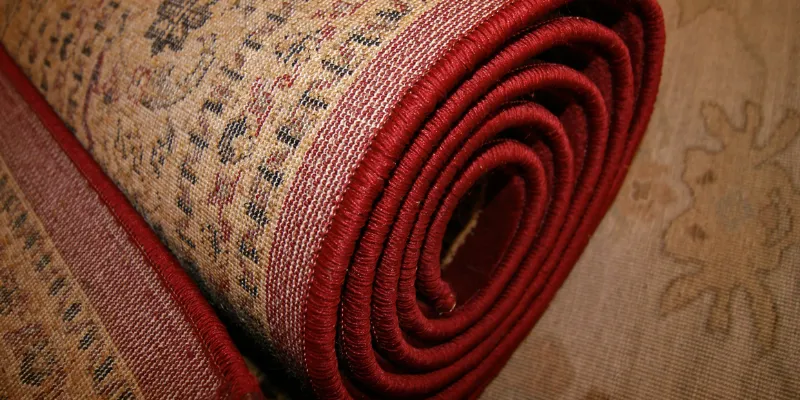
First of all, the size of the rug is a determining factor.
A rug that is too small can look out of place, while a rug that is too large can overwhelm the room.
For living rooms, for example, the ideal is for the rug to extend beyond the edges of the sofa and at least cover the front legs of the furniture.
In bedrooms, rugs that extend beyond the bed create a sense of continuity.
Therefore, measuring the space and planning the furniture arrangement is the first step towards making an assertive choice.
Furthermore, the material of the rug influences both its durability and sensory experience.
Wool rugs, for example, are soft and durable, ideal for high-traffic areas.
In turn, while those made of sisal or jute bring a natural aesthetic, they require careful maintenance.
In this sense, it is crucial to consider the lifestyle of the residents.
++ Soothing sounds: how to bring them into your home
Families with pets or children can benefit from synthetic fibers, which are easy to clean and stain resistant.
Consequently, aligning the material with practical needs avoids future frustrations.
On the other hand, the color palette and patterns of the rug should match the rest of the decor.
Neutral rugs are versatile and timeless, while boldly patterned rugs can be the focal point of a minimalist space.
A creative example would be to use an earthy-toned kilim rug in a rustic dining room, complementing wooden chairs and a reclaimed table.
This choice not only reinforces the style, but also creates a visual narrative that delights visitors.
Rugs in decoration, Table:
|
Criterion |
Practical Tip |
Application Example |
|---|---|---|
|
Size |
Measure the space and make sure the rug will accommodate the main furniture. |
2x3m rug in a room with sofa and armchairs, with borders under the furniture. |
|
Material |
Choose fibers that are appropriate for the use (synthetic for easy cleaning, natural for sophistication). |
Polypropylene rug in a children's room to withstand play. |
|
Color and Pattern |
Harmonize with the room's palette or use the rug as a highlight. |
Blue geometric rug in a neutral room to add vibrancy. |
Rug Styles and Their Applications
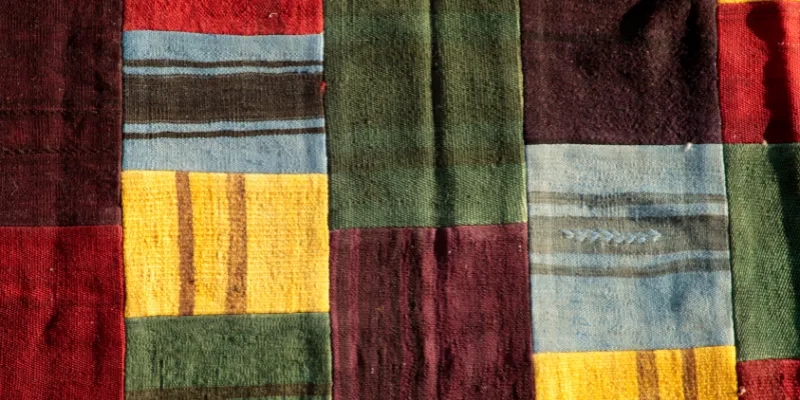
Initially, it is important to recognize that rugs in decoration reflect varied trends and styles, each with specific applications.
Persian rugs, for example, are known for their intricate patterns and rich colors, making them perfect for classic or bohemian settings.
++ Healing Spaces: How Decor Can Improve Your Mental Health
On the other hand, Scandinavian rugs, with simple lines and neutral tones, fit into minimalist decors.
Therefore, identifying the style of the environment is essential for narrowing down the options.
Furthermore, handmade rugs are on the rise, bringing authenticity and sustainability to decoration.
An original example would be to incorporate a hand-loomed rug made by local artisans into a gourmet balcony.
This type of piece not only enhances regional culture, but also adds a unique story to the space, making it memorable.
Similarly, natural fiber rugs, such as woven cotton rugs, are ideal for outdoor areas, as they resist moisture and create a cozy atmosphere.
On the other hand, the versatility of rugs allows for bold experimentation.
Imagine a rug with abstract prints in a home office, contrasting with furniture with straight lines and sober tones.
This choice can stimulate creativity, transforming the space into an inspiring refuge.
In this way, rugs in decoration not only complement, but also challenge conventions, allowing the environment to take on a life of its own.
Care and Maintenance for Longevity
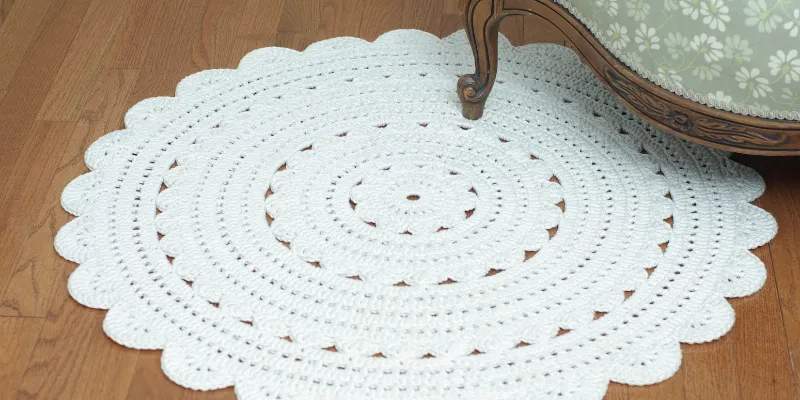
Image: Canva
First, proper maintenance is crucial to preserving the beauty and functionality of rugs in your decor.
Vacuuming regularly, at least once a week, removes dust and prevents the build-up of allergens.
For delicate fiber rugs, such as wool or silk, use the vacuum cleaner's low power setting and avoid rotating brushes.
This way, you extend the life of the carpet without compromising its texture.
Furthermore, accidents such as liquid spills require immediate action.
Absorb the liquid with a clean, dry cloth, avoiding rubbing as this may spread the stain.
For stubborn stains, consult the manufacturer's instructions or hire a professional cleaner.
In this context, synthetic rugs have the advantage of being more resistant to stains, which makes them ideal for areas with intense social interaction, such as TV rooms.
Finally, periodic rotation of the mat is a simple but effective practice.
Rotating your rug every six months distributes the wear and tear caused by traffic and sun exposure, ensuring that it ages evenly.
Similarly, just as we take care of our health with regular check-ups, carpets need ongoing attention to maintain their vitality.
This approach ensures that your choice continues to enhance the environment for years to come.
Table:
|
Maintenance Type |
Frequency |
Specific Tip |
|---|---|---|
|
Aspiration |
Weekly |
Use low power on delicate carpets to avoid damaging the fibers. |
|
Stain Cleaning |
Immediate (if necessary) |
Absorb liquids with a dry cloth; avoid rubbing to avoid spreading the stain. |
|
Rotation |
Every 6 months |
Rotate the rug 180 degrees to distribute wear and sun exposure. |
Frequently Asked Questions about Rugs in Decoration
|
Question |
Response |
|---|---|
|
What is the best material for carpets in homes with pets? |
Synthetic fibers, such as polypropylene, are ideal because they are stain resistant and easy to clean. |
|
Can I use rugs in outdoor areas? |
Yes, as long as they are made of moisture-resistant materials, such as woven cotton or synthetic fibers. |
|
How to match rugs with different patterns? |
Choose a common color palette and vary the patterns in scale (e.g., large print with a smaller one). |
|
Are light-colored carpets difficult to maintain? |
It depends on the material. Light synthetic carpets are more practical, but require frequent vacuuming. |
|
What is the ideal size for a bedroom rug? |
It should extend at least 2 feet beyond the sides of the bed to create a balanced, functional look. |
Rugs in decoration: Conclusion
In short, rugs in decoration are powerful allies to transform environments, combining beauty, comfort and practicality.
By considering criteria such as size, material, color and style, you ensure that the rug you choose not only complements the space but also reflects your personality.
Regular care and strategic choices extend the life of these pieces, making them valuable investments.
With creativity and planning, rugs in decoration can be the key to a home that inspires and welcomes.