How the circular economy is changing the way we consume in Brazil.
Advertisements
The circular economy is emerging as a transformative model, challenging traditional linear consumption in Brazil.
Unlike the "extract, produce, discard" model, it proposes continuous cycles of use and reuse.
In this way, resources are given a new life, reducing waste and environmental impact.
Learn more below!
Circular economy

In Brazil, this concept is gaining traction amidst socioeconomic and environmental challenges, redefining consumer choices.
For example, initiatives such as regenerative agriculture are growing.
Small farmers in São Paulo are using composting of organic waste to enrich the soil, reducing their dependence on chemical fertilizers.
Consequently, the production cycle becomes more sustainable, with less environmental impact and greater economic resilience.
Furthermore, local consumers support these practices, strengthening regional markets.
Have you ever stopped to think about how your daily choices can shape a more sustainable future?
The circular economy is not just a trend, but an urgent necessity.
++ How to calculate your monthly cost of living in a practical way.
With Brazil facing challenges such as deforestation and waste management, this model offers practical and innovative solutions for conscious consumption.
The Conscious Consumption Revolution in Brazil
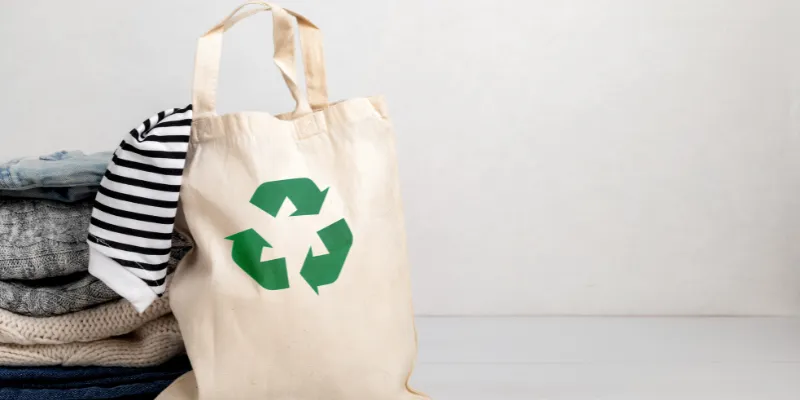
Firstly, the circular economy promotes conscious consumption, encouraging choices that prioritize durability and reuse.
In Brazil, sustainable fashion startups, such as Repassa, are creating online thrift store platforms where used clothing finds new owners.
Thus, the life cycle of the parts is extended, reducing the demand for mass production.
Furthermore, the circular model stimulates the local economy.
++ Vinyl, laminate, or ceramic flooring: which is the best value?
In Recife, cooperatives of waste pickers transform plastic waste into new products, such as brooms and roof tiles.
This process not only reduces waste in landfills, but also generates jobs and income.
Consequently, marginalized communities find opportunities for social and economic inclusion.
Finally, consumer awareness is fundamental.
++ How to make your own air fresheners and save money
Educational campaigns, such as those promoted by the NGO Route Brasil, highlight the importance of recycling and reusing.
In this way, Brazilians are beginning to see consumption as an act of responsibility, aligning themselves with a more balanced and sustainable future.
Economic and Environmental Impacts of the Circular Economy
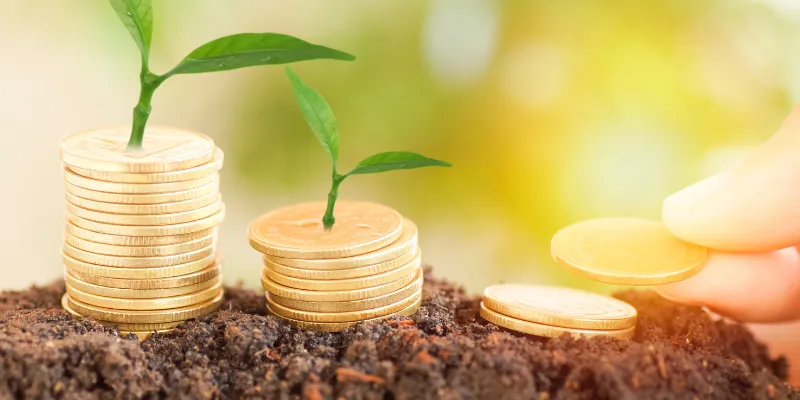
First and foremost, the circular economy generates significant economic benefits.
According to IBGE, efficient waste management in Brazil could save up to R$ 8 billion annually in natural resources.
Companies that adopt circular practices, such as reusing materials, reduce costs and increase their competitiveness in the market.
Furthermore, the environmental impact is undeniable.
Projects like Ecoenel, by Enel, transform recyclable waste into energy bill credits for low-income communities.
This encourages selective waste collection and reduces pollution in rivers and soil.
Thus, the environment directly benefits from innovative circular practices.
On the other hand, the circular economy also faces barriers.
The lack of recycling infrastructure in many Brazilian cities limits the scalability of these initiatives.
However, investments in technology and public policies can overcome these challenges, consolidating the model as a pillar of sustainable development.
Practical Examples of Circular Economy in Brazil
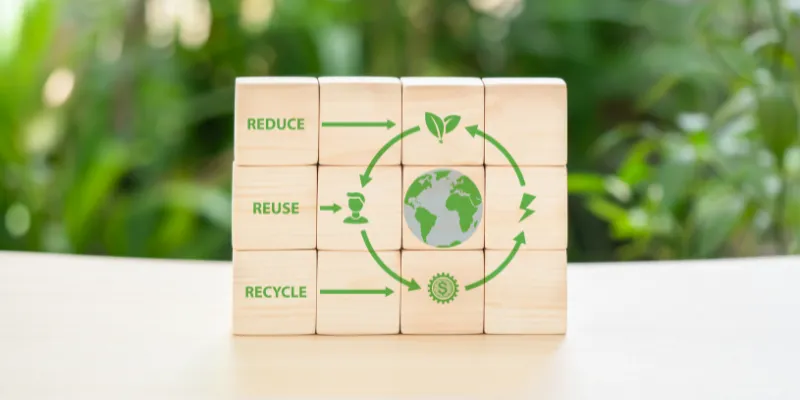
Image: Canvas
Example 1: Ceagesp Food Bank
Initially, the Ceagesp Food Bank in São Paulo exemplifies the circular economy in combating food waste.
Every day, fruits and vegetables discarded for not meeting aesthetic standards are collected and donated to needy communities.
Thus, food that would otherwise go to waste nourishes thousands of people, reducing hunger and food waste.
Furthermore, the program educates producers and consumers about the value of "imperfect" foods.
He also encourages composting unusable leftovers, which returns to the soil as fertilizer.
In this way, the cycle is completed, promoting sustainability and positive social impact on a large scale.
Finally, the Food Bank inspires other Brazilian cities.
Similar initiatives are emerging in municipal markets in Belo Horizonte and Salvador, expanding the reach of the circular economy.
Thus, the model demonstrates how collaboration between sectors can transform local realities.
Example 2: Plastic Reuse Cycle in Civil Construction
Firstly, companies like Teto Verde, in Rio de Janeiro, transform discarded plastics into construction materials, such as roof tiles and blocks.
This process reduces dependence on virgin resources and minimizes the accumulation of waste in landfills.
Furthermore, the products are affordable, benefiting low-cost housing construction.
Next, the initiative creates a value chain.
Waste pickers collect plastics, which are processed by cooperatives and sold to construction companies. This strengthens the local economy and promotes social inclusion.
Consequently, the project demonstrates how the circular economy can be economically viable and socially inclusive.
Finally, technological innovation is a key differentiator.
Low-cost recycling machines allow small businesses to participate in the cycle, expanding the impact.
Thus, the construction industry in Brazil is beginning to adopt circular practices, significantly reducing its environmental impact.
An Analogy to Understand the Circular Economy
Imagine the circular economy as a river that flows continuously, without beginning or end.
Each drop of water represents a resource that, instead of being lost in the sea of waste, returns to the cycle to nourish the earth.
In Brazil, this "river" is gaining strength, with companies, consumers, and governments working together to maintain its flow.
In this sense, every action counts.
Just as a single drop can create ripples, a conscious choice, such as buying reused products, impacts the entire supply chain.
Brazil, with its rich biodiversity, needs this continuous flow to preserve its resources and prosper.
On the other hand, rivers can face obstacles, such as pollution or diversions.
Similarly, the circular economy faces challenges, such as lack of awareness or infrastructure.
However, with joint efforts, Brazil can transform this river into a powerful current of sustainability.
Challenges and Opportunities for the Circular Economy in Brazil
First and foremost, the lack of integrated public policies is an obstacle.
Many Brazilian municipalities lack efficient selective waste collection systems, which limits recycling.
However, initiatives such as the National Solid Waste Plan offer guidelines for overcoming these barriers, encouraging investment in infrastructure.
Furthermore, education is crucial.
Schools and businesses can promote programs that teach the importance of the circular economy from an early age.
For example, the startup Eureciclo certifies companies that offset their packaging, encouraging circular practices.
Thus, awareness grows, engaging consumers and brands.
Finally, the opportunities are vast.
Brazil, with its diversified economy, can lead circular innovations in sectors such as agriculture, fashion, and construction.
In this way, the country not only reduces environmental impacts, but also creates jobs and strengthens its economy.
The Role of the Consumer in the Circular Economy
First and foremost, the consumer is the driving force behind the circular economy.
By choosing sustainable products, such as cosmetics with returnable packaging, Brazilians are driving change in the industry.
Brands like Natura already offer reverse logistics programs, encouraging the return of packaging for recycling.
Furthermore, technology facilitates informed choices.
Apps like Cataki connect waste pickers with consumers who want to dispose of waste properly.
Thus, the average citizen becomes an active part of the cycle, contributing to waste reduction and the strengthening of sustainable supply chains.
Ultimately, consumer pressure can transform markets.
When Brazilians choose brands that adopt circular economy practices, they force other companies to adapt.
In this way, purchasing power becomes a tool for change, shaping a more sustainable future.
Frequently Asked Questions about Circular Economy
|
Question |
Response |
|---|---|
|
What is a circular economy? |
It is a model that promotes the continuous use of resources, focusing on reuse, recycling, and waste reduction, unlike the linear model. |
|
How does the circular economy benefit Brazil? |
It reduces raw material costs, creates jobs, decreases environmental impact, and promotes social inclusion, such as in recycling cooperatives. |
|
Which sectors can adopt the circular economy? |
Agriculture, fashion, construction, technology, and retail are examples, with practices such as composting, material reuse, and reverse logistics. |
|
How can consumers participate? |
By choosing sustainable products, participating in recycling programs, and supporting brands with circular practices, such as thrift stores or cooperatives. |
|
What are the challenges of the circular economy in Brazil? |
Lack of infrastructure, low awareness, and limited public policies, but investment and education can overcome these barriers. |
The Future of the Circular Economy in Brazil
First and foremost, the future of the circular economy in Brazil depends on innovation.
Startups like Boomera transform complex waste products, such as disposable diapers, into new products.
Thus, advanced technologies are opening avenues for recycling materials previously considered unviable, expanding the impact of the model.
Furthermore, public-private partnerships are essential.
Programs like Recicla Sampa in São Paulo bring together governments, businesses, and society to improve waste management.
Consequently, cities become cleaner, and the circular economy gains scale at the municipal level.
Finally, Brazil has the potential to lead globally.
With its biodiversity and creativity, the country can develop unique circular solutions, such as bioplastics made from sugarcane.
Thus, the circular economy not only changes consumption patterns, but also positions Brazil as a benchmark in sustainability.