Vinyl, laminate, or ceramic flooring: which is the best value?
Advertisements
Vinyl, laminate, or ceramic flooring? Choosing the ideal flooring for your home or office is more than just an aesthetic issue: it's a decision that impacts the comfort, budget, and functionality of the space in the long term.
With so many options available, vinyl, laminate, or ceramic flooring often top the list of preferences.
But which one truly stands out as the best choice?
In this article, we will explore the characteristics, advantages, and limitations of each type, offering a detailed analysis to help you make an informed decision.
Let's delve into the details with a practical approach, real-world examples, relevant statistics, and an analogy to help you make your choice.
1. Understanding the Characteristics of Flooring
Vinyl Flooring: Comfort and Versatility
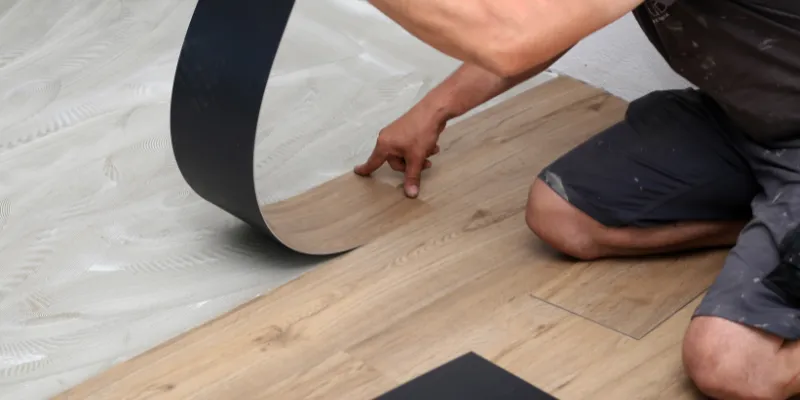
Vinyl flooring is a synthetic material, usually made of PVC, that combines practicality with modern aesthetics.
Available in planks, tiles or sheets, it imitates wood, stone or ceramic with surprising fidelity.
See also: Tips for a more emotionally "breathable" home
Because it is flexible and soft to the touch, it offers thermal and acoustic comfort, ideal for those seeking welcoming environments.
Furthermore, its installation is quick, often using snap-fit systems or adhesives, which reduces labor costs.
However, vinyl flooring requires specific care.
Although water-resistant in specific versions (such as SPC models), it can suffer wear and tear in high-traffic areas if it is not of high quality.
For example, imagine a family with young children who chose a thin vinyl floor for their living room.
After two years, scratches and marks on the furniture began to appear, requiring premature replacement.
Therefore, choosing a more durable vinyl flooring is crucial to ensure longevity.
Finally, vinyl shines in customization.
With advanced printing technologies, it can replicate natural textures with stunning detail.
++ Colors that convey peace: how to use them in decoration.
Do you want a floor that looks like rustic oak without the exorbitant cost of natural wood?
Vinyl flooring offers this possibility with a more affordable initial investment.
Laminate Flooring: Elegance with Practicality
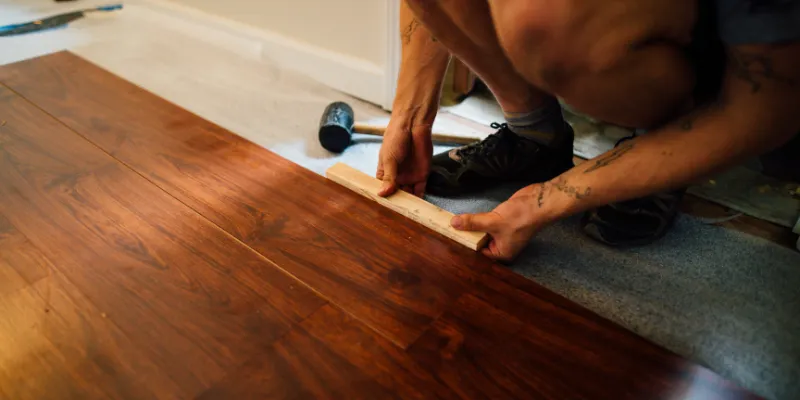
Laminate wood consists of layers of processed wood, coated with a decorative veneer that imitates natural wood.
It is known for its easy installation, usually by snapping it into place, and for its resistance to impacts and scratches, making it ideal for areas with moderate traffic, such as bedrooms and living rooms.
++ How wall color can help control anxiety.
However, its sensitivity to moisture is a weakness, as prolonged exposure to water can warp the planks.
Consider the case of a young couple renovating a small apartment.
They opted for laminate flooring for the living room and bedroom, attracted by the sophisticated look and lower cost compared to solid wood.
However, a leak in the nearby bathroom damaged the living room's laminate flooring, requiring expensive repairs.
This example highlights the importance of assessing the environment before choosing laminate flooring, especially in areas prone to moisture.
Furthermore, laminate flooring offers a clean and quick installation, ideal for those who want to renovate their space without major construction work.
Its maintenance is simple, requiring only regular sweeping and a damp cloth.
However, to maximize its durability, it is essential to invest in a quality subfloor, which reduces noise and increases stability.
Ceramic Flooring: Durability and Classic Style
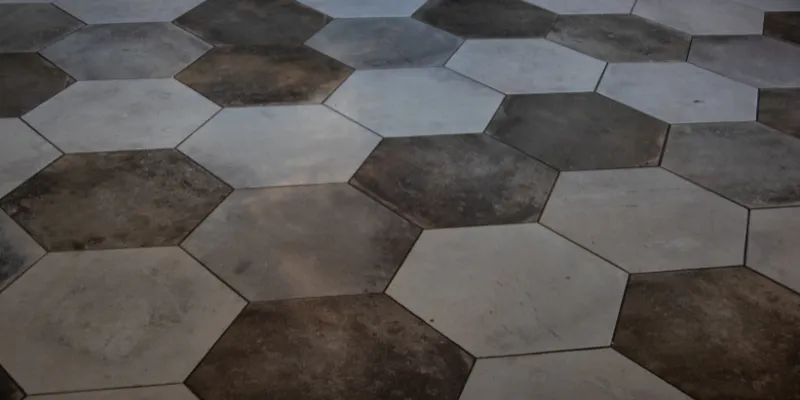
Image: Canvas
Ceramic flooring, made from baked clay, is a timeless classic.
Available in a multitude of colors, sizes, and finishes, it is extremely resistant to scratches, moisture, and stains, making it perfect for kitchens, bathrooms, and outdoor areas.
Its durability is unparalleled: statistics from the National Association of the Ceramic Industry (Anicer) indicate that good quality ceramic floors can last more than 20 years with minimal maintenance.
Despite its robustness, ceramic has limitations.
It is cold to the touch, which can be uncomfortable in colder climates, and its installation requires skilled labor, which increases initial costs.
For example, a businesswoman who renovated her commercial office chose ceramic tiles to create an elegant and functional environment.
The result was impressive, but the installation time and cost of the project were higher than expected, impacting the schedule.
Another strong point of ceramics is their aesthetic versatility.
With finishes ranging from rustic to polished, it adapts to different decorating styles.
Furthermore, its resistance to chemicals makes it easy to clean, making it ideal for environments that require constant hygiene, such as clinics or restaurants.
2. Comparing Costs and Benefits
Initial Cost and Installation
When it comes to budget, vinyl, laminate, or ceramic flooring present significant differences.
Vinyl flooring generally has the lowest initial cost, with prices ranging between R$ 30 and R$ 100 per square meter, depending on the quality.
Its installation is accessible, often eliminating the need for specialized labor in clickable systems.
On the other hand, laminate flooring has similar prices, between R$ 40 and R$ 120 per square meter, but requires a suitable subfloor, which can increase the investment.
Ceramic tiles, although more expensive (R$ 50 to R$ 200 per square meter), compensate with their durability.
However, its installation is more complex, requiring mortar, grout, and skilled labor, which can increase the total cost by up to 40% compared to the other two.
Therefore, for those seeking immediate savings, vinyl or laminate flooring may be more attractive, while ceramic flooring is a long-term investment.
The table below summarizes the average costs:
|
Floor Type |
Price per m² (R$) |
Installation Cost (R$ per m²) |
Estimated Durability |
|---|---|---|---|
|
Vinyl |
30–100 | 10–30 |
10–15 years |
|
Laminate |
40–120 | 15–35 |
10–20 years |
|
Ceramic |
50–200 | 30–60 |
20+ years |
Vinyl, laminate, or ceramic flooring: Maintenance and Longevity
Maintenance is another crucial factor. Vinyl flooring is easy to clean, requiring only sweeping and a damp cloth, but it may need replacing if there is deep damage.
Laminate flooring follows a similar logic, but its sensitivity to moisture requires extra care.
Ceramic, on the other hand, is virtually immune to stains and wear, requiring only regular cleaning with common products.
Think of flooring like clothing: vinyl is like a comfortable, easy-to-wear t-shirt, but it can wear out over time; laminate is like a stylish coat that requires care to avoid damage; and ceramic is like armor, resistant and durable, but heavier and more difficult to "put on".
Which of these "looks" best fits your lifestyle?
Ultimately, longevity depends on usage.
In high-traffic environments, such as commercial spaces, ceramic tiles are unbeatable.
For homes with children or pets, vinyl flooring may be more practical, while laminate flooring balances aesthetics and functionality in less humid spaces.
Comfort and Aesthetics
Thermal and acoustic comfort is an important differentiating factor.
Vinyl flooring leads the way in this regard, being soft and warm to the touch, ideal for children's bedrooms or living rooms. Laminate flooring also offers good sound insulation, but it can be colder.
Ceramic, on the other hand, is naturally cool, which is advantageous in warm climates, but may require carpets in cold regions.
Aesthetically, all three floors offer modern options.
Vinyl and laminate flooring stand out for their perfect wood imitations, while ceramic shines in finishes ranging from minimalist to classic.
The choice depends on the desired style: vinyl and laminate flooring bring visual warmth, while ceramic offers timeless sophistication.
3. Practical Applications and Examples
Residences: The Case of Ana
Ana, a 35-year-old architect, wanted to renovate her 120 m² single-story house.
For the living room and bedrooms, she chose SPC vinyl flooring, which is water-resistant, due to its thermal comfort and the presence of her dog, who could scratch the floor.
In the kitchen and bathroom, she opted for non-slip ceramic tiles, prioritizing durability and ease of cleaning.
The result was a perfect balance between aesthetics and functionality, while staying within budget.
Commercial Environments: João's Restaurant
João, the owner of a restaurant, needed a floor that could withstand heavy customer traffic and frequent cleaning.
He chose polished ceramic for the living room, creating an elegant and easy-to-maintain environment.
For the employee area, they opted for high-resistance vinyl flooring, which offered comfort during long working hours.
The combination was strategic, highlighting the versatility of each material.
Choosing the Right Environment
The choice between vinyl, laminate, or ceramic flooring depends on how the space will be used.
Wet areas, such as kitchens and bathrooms, are ideal for ceramic tiles.
Bedrooms and living rooms call for the comfort of vinyl or laminate flooring.
Commercial spaces can benefit from a combination, as in João's case, maximizing functionality and aesthetics.
Frequently Asked Questions: Vinyl, laminate, or ceramic flooring
|
Question |
Response |
|---|---|
|
Which type of flooring is more water-resistant? |
SPC vinyl flooring and ceramic tiles are highly water-resistant, while laminate flooring is sensitive to moisture. |
|
Can I install vinyl or laminate flooring in damp areas? |
SPC vinyl is suitable for wet areas; laminate is not recommended. |
|
Which type of flooring is easier to install? |
Vinyl and laminate flooring, with their interlocking systems, are easier and faster to install than ceramic tiles. |
|
Is the ceramic slippery? |
It depends on the finish. Non-slip models are ideal for wet areas. |
|
Which flooring option is more economical in the long run? |
Ceramic, due to its durability, tends to be more economical in the long run. |
Vinyl, laminate, or ceramic flooring: Which to choose?
The decision between vinyl, laminate, or ceramic flooring depends on your priorities.
If you value comfort and quick installation, vinyl flooring is an excellent choice.
For those seeking elegance with simple maintenance, laminate flooring is ideal, provided it is protected from moisture.
Ceramic tiles are the option for those who prioritize durability and versatility, especially in humid or high-traffic areas.
Why not assess your space and budget to find the perfect balance?
Each floor has its own charm and function; it's up to you to decide what story you want to tell with your space.