
Is a Garden Spider Poisonous? What Should You Do If You Get Stung?
Advertisements
One of the best-known species when it comes to arachnids is the Garden Spider. But does this species pose any danger to us? Find out more!
Anyone who has a garden at home knows that taking care of it and keeping it looking beautiful is a task that takes a certain amount of time. In addition to paying attention to basic issues – such as watering and fertilizing the plants correctly – it is also necessary to always keep an eye out for any unwanted visitors. And when we talk about gardens, the list can be long, huh!
This is because your garden can attract everything from small infestations of fungi and other types of pests – which can put the health of your garden at risk – to larger insects that pose a risk to us and our pets. And it is these threats that we need to be more careful with.
And when it comes to species that are attracted to gardens, one of the best known – and most feared – is the Garden Spider.
But is this species really poisonous? And what should you do if you get stung? These and other questions will be answered throughout today's text!
Here, we will explore the world of the Garden Spider together, discovering its main characteristics and helping you learn how to deal with the appearance of this species in your garden.
What is a Garden Spider?
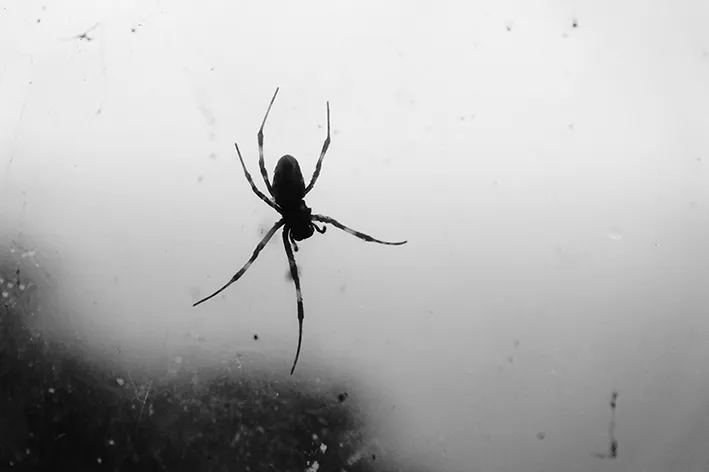
The Garden Spider is a common species of spider that can be found in a variety of habitats around the world, including gardens, fields, and wooded areas in general, such as forests, for example. It is also known by the scientific name Araneidae, which is a family that includes several species of common spiders.
The most striking feature of garden spiders is their web-making. They are known for creating elaborate circular webs, which are usually spun between plants, trees, or other objects. And these webs are used for one purpose only: to capture flying insects, which are the main food source for these spiders.
The garden spider is generally small to medium in size, with a body covered in fine hairs and often brightly colored, including shades of yellow, red, brown, and black.
The life of a garden spider revolves around its web. They spend most of their time waiting patiently in the center of their web until they sense the vibrations caused by an insect caught in it. At that point, the spider moves quickly to capture its prey with its venomous fangs. It then wraps it in silk for later consumption.
In addition to their role in capturing food, garden spiders also play an important role in the ecological balance of garden ecosystems by helping to control populations of insects, many of which are considered pests.
Are you enjoying reading? Then I think you will also enjoy reading Garden pests: discover homemade recipes and get rid of them now
Is the Garden Spider poisonous?
As it is a species of spider that can be constantly in our lives – especially when we talk about people who have a garden at home – the first concern when we are talking about the Garden Spider is in relation to its venom.
After all, is the Garden Spider a poisonous species or not?
Yes, the Garden Spider can be considered a venomous species. This species has a venom with proteolytic action. This means that its action can lead to necrosis of the area.
However, we have good news for you! Although this species has this type of venom, it does not usually pose a danger to humans, as this venom does not cause major damage to our health.
Furthermore, the Garden Spider is not known to be an aggressive species, which reduces the chances of an eventual attack on a human being.
What to do in case of a Garden Spider bite?
As we mentioned in the previous topic, the garden spider's venom is usually harmless to us humans. However, it is always important to keep an eye out for bites.
The bite itself can be painful, cause redness and even a little swelling at the time, but these symptoms tend to disappear quickly and without major intervention.
However, there are people who may be allergic to this type of sting. And in cases like these, the reactions may be a little more severe. But still nothing too worrying.
Therefore, in case of a bite, it is advisable to seek medical help to better understand the effects of the venom on your body. In addition, it is also recommended to capture the spider and take it with you when you go to the doctor.
This is a valid tip for cases of bites from all species of spiders. It makes life easier for the medical team when it comes to identifying the species that bit you and speeds up the correct administration of any medication to treat the effects of the bite.
What is the best way to deal with the presence of the Garden Spider?
To finish off today’s content, how about we talk a little more about how to deal with this species?
Despite being a species of spider – and this factor alone is enough to scare many people – as we highlighted throughout the text, the Garden Spider is usually a harmless species for human beings.
Furthermore, its presence plays a very important role in the maintenance of your garden, and can help you control a series of insects.
However, if your goal is to get rid of the presence of this species from your life because these spiders are crossing the boundaries of the garden and invading your home, the ideal thing to do is to seek the help of a pest control specialist.
This professional will give you all the necessary guidance to help you in this mission and will ensure that this species of spider stays only where it should: in the garden!
Did you like the content we prepared today? Then take the opportunity to read it too Garden Myrtle: learn all about the medicinal plant
