
Garden pests: discover homemade recipes and get rid of them now
Advertisements
Do you want to learn how to deal with pests in your garden in the best way possible?
One of the main challenges for those who want to keep their garden beautiful and well-kept is the presence of dreaded pests.
Present all over the world, these garden pests end up putting all the plants in the place at risk, potentially wasting all the time, effort and investment that the garden owner has made.
But what if we told you that there are some homemade recipes against garden pests that will help you keep these threats far away from your garden?
That's exactly what we're going to talk about in this content!
Throughout the text, you will learn some homemade recipes that are quick, simple and easy to make for those who want to keep their garden always safe and free from the action of these much-feared pests!
What are garden pests?
Before we talk about homemade recipes for pest control in the garden, how about we talk a little about what these unwanted visitors are to provide some context for those who are not yet familiar with the world of gardening.
Garden pests are the different types of insects and parasites that can be attracted to your garden or vegetable patch.
The action of these types of invaders usually begins silently and without any major signs. This is the great danger.
In gardens where the owner does not yet have a trained eye, the action of these garden pests can put the health of the space and the plants that live there at risk.
This is because, in addition to leaving your plants with an unpleasant appearance, depending on the intensity of these pests' action in the garden, some plants may even die during this process.
In other words: taking the necessary care to combat these pests in the garden is a serious matter.
Most common types of garden pests
Now that we're on the same page regarding what garden pests are, it's time to talk about another very important topic: the most common types of garden pests.
Just as there are hundreds and hundreds of types of plants, there are also different types of pests in gardens around the world.
And as each type has its preferences in relation to factors such as environmental conditions and temperature, the wrinkles present in countries such as Brazil – which has a more tropical climate – are different from those that can affect European countries, for example, which have a colder climate.
Since today's tip is special for our Brazilian readers, we're going to talk about some of the most common types of garden pests.
This way, you will be able to be more attentive to the signs of the presence of these inconvenient beings.
Mites
Starting with one of the most threatening and at the same time difficult to notice.
In addition to being one of the deadly enemies for those who suffer from respiratory allergies – such as rhinitis, sinusitis, asthma and bronchitis – mites can also be harmful threats to gardens around the world.
Small and difficult to notice, the presence of this type of pest can be noticed when the plant's leaves appear yellowish and dry.
Scale insects
Another pest in the garden that is more common than you might think is mealybugs.
Known for its white color, this type of pest attacks the leaves. The result is the formation of light-colored spots and even the weakening of the plant itself.
Furthermore, by controlling the presence of the dreaded mealybugs, you will be avoiding the presence of ants, which are usually attracted by the presence of this pest.
Nematodes
This is perhaps the most difficult pest to identify on our list.
Known for directly attacking the roots of the plant in question, nematodes suck the nutrients that the plant would receive from its base.
And the result of this pest's action is that the plant begins to show weaker, brownish leaves.
Slugs
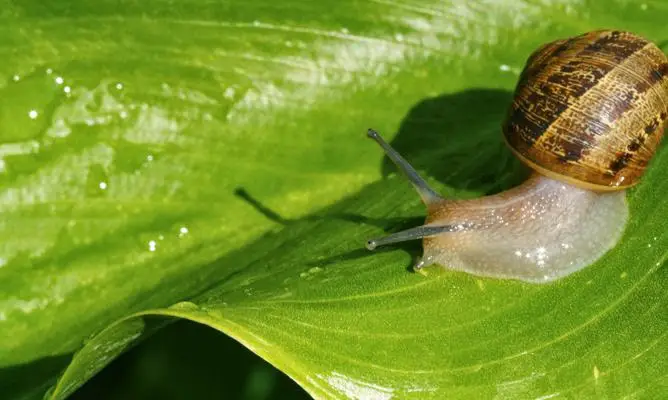
To close our list of the most common types of garden pests, we have slugs!
Although they may not seem like such a big threat, slugs can be extremely lethal to the health of your garden or vegetable patch.
Even though they are slow, they have the ability to ruin an entire garden in just a few minutes if not properly controlled.
On the bright side, slugs are the easiest pests to identify in your garden.
To do this, just pay attention to whether the leaves in your garden or vegetable patch are eaten. If this happens in your home, you may be dealing with slugs.
Take the opportunity to read too 👉 How to care for orchids purchased on the market?
Homemade recipes against pests in the garden
Now that you are almost an expert when it comes to garden pests, let's get to the really important part!
Below, you will find some homemade recipes that will help you keep your place pest-free.
Garlic spray
Who would have thought that garlic would also be a great option for those who want to get rid of the action? dthese unwanted visitors in a homely way, right?
In this recipe, the tip is to make a kind of 'puree' with 12 to 15 cloves of garlic. Then, you will add 1 liter of water.
Then just filter it with the help of gauze, place it in a spray bottle and spray this mixture on your plants for a few days.
This should help keep pests and insects away.
Insecticide Soap
Another recipe that can help you a lot in this fight is homemade insecticidal soap.
To make this soap, the recipe is easy! First, you will need to grate 50g of coconut soap. Then, dissolve the soap in 5 liters of water.
Then just apply it to the plants using a sprayer.
In this tip, it is important to pay attention to the effects that soap can have on the plant. Therefore, spray the mixture on a leaf and observe the result before using it on the entire tip.
Neem Oil
Today’s third and final homemade recipe uses neem oil as the main ingredient.
This oil – which can be easily purchased in health food stores – should be mixed with water or citronella hydrosol and then sprayed on the plants you want to protect from pests in the garden!
By putting these recipes into practice, your garden will be more protected and pest-free!
Did you like this content? Then take the opportunity to read it too How to care for your garden in autumn
