How Science Is Transforming Waste into Fuel
Advertisements
THE Science is transforming waste into fuel. in a way that challenges common sense and redefines our pact with urban waste.
Forget the distant promises: what we see today is a stubborn engineering effort that tears up old manuals to convert the debris of large metropolises into pure motive power.
There's something fascinating — and slightly unsettling — about realizing that the future of our fuel tanks may depend directly on what we sweep under the rug.
How does urban waste become clean fuel?
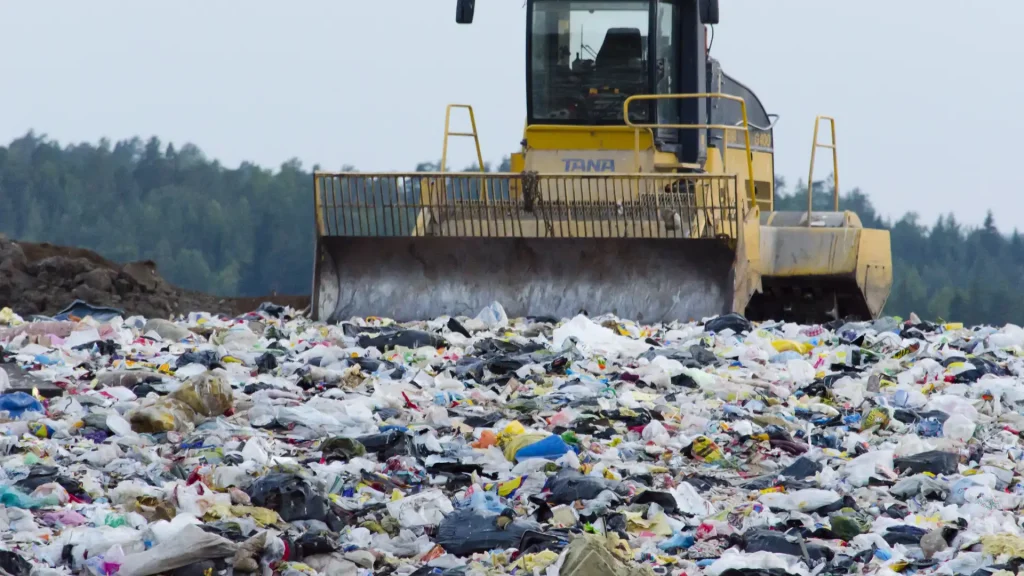
Scientists are working with oxygen-free thermal cauldrons, using pyrolysis and aggressive gasification to shatter organic molecules that previously rotted patiently in the garbage dumps on the outskirts of cities.
The gas resulting from this crude cooking process does not go into the atmosphere; it is forcibly refined by catalysts until it becomes kerosene or ethanol with a high-performance seal.
This is often referred to as a green miracle, but it's pure heavy chemistry operating under extreme pressure to give utility to what civilization rejects.
Where are the main innovations in biofuels occurring?
There are industrial warehouses in Europe and North America where the waste disposal route has been completely redesigned by engineers who no longer tolerate the logic of disposability.
The U.S. Department of Energy is investing heavily in plants capable of sucking up the waste from an entire metropolis and spitting out biofuel in just a few hours of continuous operation.
Down here in Brazil, laboratories linked to USP (University of São Paulo) are transforming sugarcane bagasse into second-generation fuel, showing that our agricultural vocation serves as a laboratory for the planet.
| Project / Initiative | Type of Waste Used | Final Product Generated |
|---|---|---|
| EU Biomass Plant | Municipal solid waste | Aviation kerosene |
| Bagasse BR Project | Straw and sugarcane bagasse | Cellulosic ethanol |
| EcoGas US | Mixed plastic waste | Clean synthetic diesel |
What are the pioneering technologies in plastics conversion?
Plastic has always been the untouchable villain of the oceans, but newly created metallic catalysts are finally able to slice through stubborn polymers without asking nature's permission.
They collect discarded bottles and packaging and return to the market a dark, dense liquid, ready to fuel engines without using a single drop of fossil fuels.
The petrochemical industry is reluctant to admit it, but this molecular recycling threatens to turn the commercial landscape upside down in the coming years.
++ What has science discovered about the interstellar comet 3I/ATLAS?
How science is transforming waste into fuel for civil aviation.
Airlines are facing relentless pressure to achieve net-zero emissions, finding in residual biomass the only viable route to replace fossil kerosene in long-haul commercial flights.
Refined chemical processes ensure that synthetic fuel meets the most stringent technical specifications of modern aviation without requiring structural modifications to existing turbines.
This widespread adoption proves that the Science is transforming waste into fuel. With surgical precision, redefining global standards for sustainable air mobility.
Why is science transforming waste into fuel on an industrial scale?
The gradual depletion of traditional oil reserves has pushed research centers into an obsessive search for alternative, high-density, low-cost energy sources.
Chemical engineers have optimized pyrolysis reactors to process thousands of tons of municipal waste daily, converting previously ignored byproducts into barrels of competitive synthetic oil.
In this transitional scenario, the Science is transforming waste into fuel. to shield the global economy against drastic supply shocks in the international fossil fuel market.
++ Why are the oceans changing color in some regions?
Where in the national context is science transforming waste into fuel?
Biorefineries installed in the interior of São Paulo state are leading the intelligent use of straw and residual bagasse from the sugarcane agro-industry with cutting-edge national technology.
Public universities and technology hubs are working together to reduce the cost of catalytic enzymes, enabling the mass production of cellulosic ethanol with very high energy efficiency.
By adding value to agricultural byproducts, the Science is transforming waste into fuel. ...and consolidating Brazil as an absolute power at the forefront of the green energy transition.
What are the logistical bottlenecks in selective waste collection?
Inefficient separation at the source still sabotages much of the material that could feed modern biorefineries with clean raw materials.
Cities lacking adequate infrastructure mix organic matter with hazardous waste, making chemical processes that require absolute purity in reactors unfeasible.
Overcoming this urban obstacle requires heavy public investment in environmental education and smart networks for automated sorting using optical sensors.
How do synthetic enzymes work to break down cellulose?
Researchers genetically modify fungi and bacteria to synthesize enzyme cocktails capable of dissolving plant cell walls in record time.
These microscopic proteins operate like surgical scissors, slicing through complex polymers without the need for expensive corrosive acids or high temperatures.
The reduction in the cost of these enzymes represents the watershed moment that transformed unviable laboratory projects into highly profitable industrial plants today.
What is the role of clean technology startups?
Small, technology-based companies take on operational risks that large, traditional conglomerates avoid in the early stages of development.
They are testing experimental catalysts and decentralized business models, attracting venture capital interested in rapid energy disruption.
Many of these startups end up being bought by fossil fuel giants desperately seeking to incorporate green innovation into their aging portfolios.
Can green hydrogen be integrated into this production?
Engineers combine waste-derived synthesis gas with clean hydrogen to double the energy yield of the resulting synthetic fuels.
This technological synergy solves the problem of low hydrogen content in certain urban wastes, improving the quality of the final product.
The practical result is a high-energy-density fuel that perfectly meets the stringent demands of heavy maritime transport.
How do governments regulate the synthetic fuels market?
Regulatory agencies are setting progressive decarbonization targets that require traditional refineries to incorporate renewable fractions into their production lines.
Targeted tax incentives attract industrial plant builders to strategic regions near large concentrations of solid waste.
This legal pressure, combined with economic incentives, creates a safe environment for long-term institutional capital investment.
How does the end consumer drive this change?
Public pressure for sustainable corporate practices is forcing airlines and automakers to openly disclose their energy mix.
Environmentally conscious passengers choose to fly with companies that use sustainable kerosene, rewarding brands aligned with global environmental preservation.
This demand, driven by ethical market behavior, is accelerating long-term supply contracts between refineries and end customers.
What are the physical limits of chemical recycling of plastics?
No thermal process recovers one hundred percent of the original mass due to unavoidable energy losses and gaseous byproducts generated in the reactions.
Some chemical additives found in colored packaging generate toxic waste that requires expensive secondary treatment before safe disposal.
Recognizing these thermodynamic boundaries avoids false promises of an infinite circular economy with no residual environmental impact.
What will the energy landscape look like in the coming decades?
Fuels derived from municipal waste will share space with electrification in light vehicle fleets, dominating heavy freight transport and aviation.
The chronic reliance on petrochemical wells will give way to local, decentralized networks for converting waste into clean energy.
This scientific shift redefines the concept of waste, proving that the future of civilization depends on our ability to reuse everything.
++ How science studies hidden oceans on icy moons.
How much does it cost to produce energy from waste?
No one invests billions for ecological charity; the money only moved here because cheaper enzymes and less rare metals lowered the cost per synthetic barrel.
Clean technology startups operate with margins that are beginning to give traditional oil barons a run for their money, as they fiercely compete for the corporate energy market.
Price parity has ceased to be academic fantasy and has become an aggressive Excel spreadsheet in the hands of investment funds that see garbage as a gold mine.
What are the environmental impacts of this energy revolution?
Cutting carbon emissions by up to eighty percent won't solve all our ecological sins, but it will slow down the catastrophe with an efficiency that governments are desperately demanding.
Airlines are buying entire batches of clean kerosene not out of corporate altruism, but because heavy fines and international mandates are no longer just threats on paper.
Conclusion
Turning scrap into an engine demonstrates that human creativity often flourishes precisely when we surround ourselves with problems too big to ignore.
The success of this endeavor does not depend on saviors of the nation, but on the cold insistence of scientists who look at a mountain of debris and see only potential energy.
Frequently Asked Questions (FAQ)
Can all types of waste be used to generate fuel?
No, only materials rich in carbon and hydrogen — such as biomass, cellulose, and select plastics — enter the thermochemical reactor system without clogging it.
Does the generated fuel damage traditional engines?
Refined products pass through rigorous filters and enter conventional engines without leaving traces of mechanical corrosion or noticeable power loss on the track.
Where can I find more scientific news?
The regulatory progress of this market can be closely monitored in the public bulletins of... National Petroleum Agency and in engineering journals.