
Climbing plants and 3 precautions you need to take
Advertisements
If you think it's difficult to care for a plant in a pot, it's because you don't yet know how to care for climbing plants!
We've reached the end of another week of content! And to close our marathon of materials focused on gardening and landscaping, we've chosen a plant species that divides opinions wherever it goes!
We are talking about climbing plants.
While there are those who like this type of plant and insist on growing them, there are also people who are not very fond of these species and prefer something more minimalist and conventional, such as plants in pots.
Regardless of your opinion on climbing plants, one fact is indisputable: when well cared for, these plants are extremely imposing and majestic.
But of course, not everything is rosy – pardon the pun – when it comes to cultivating these plant species.
For it to always remain beautiful and attract attention for its exuberance, a lot of work and some care are required that many 'plant parents' are not so willing to take.
And it is precisely about the care of climbing plants that we are going to talk about throughout today's text!
Here, you will find out a little more about this species, better understand its behavior and its main points and, together with us, you will discover 3 main precautions you need to take to grow one of these species in your garden or backyard!
Climbing plants: find out the main information about this plant species
Also known as vines, climbing plants or climbers, climbing plants are species that cling to other plants on surfaces or structures as they grow.
Known for being extremely versatile plants, there are several species that fit into this category.
And among the best known, we have several species: Jade, Allamanda, Ivy, Cat's Claw, Snake Plant, Spring Plant, St. John's Vine, Slipper Plant... There is no shortage of climbing plant species for you to choose from!
Are climbing plants only options for the backyard or garden?

Contrary to what many people may think, climbing plants go far beyond this external use and, increasingly, they are becoming decoration options for those who want to bet on something different and for the interior of the house.
The vast majority of people who do not have close contact with landscaping tend to associate climbing plant species with those plants that cover the high walls of houses.
There are species that can be installed indoors, bringing an extra touch to the decor and also ensuring that your home is greener.
In other words: climbing plants are increasingly growing indoors!
Discover 3 essential tips for growing climbing plants at home
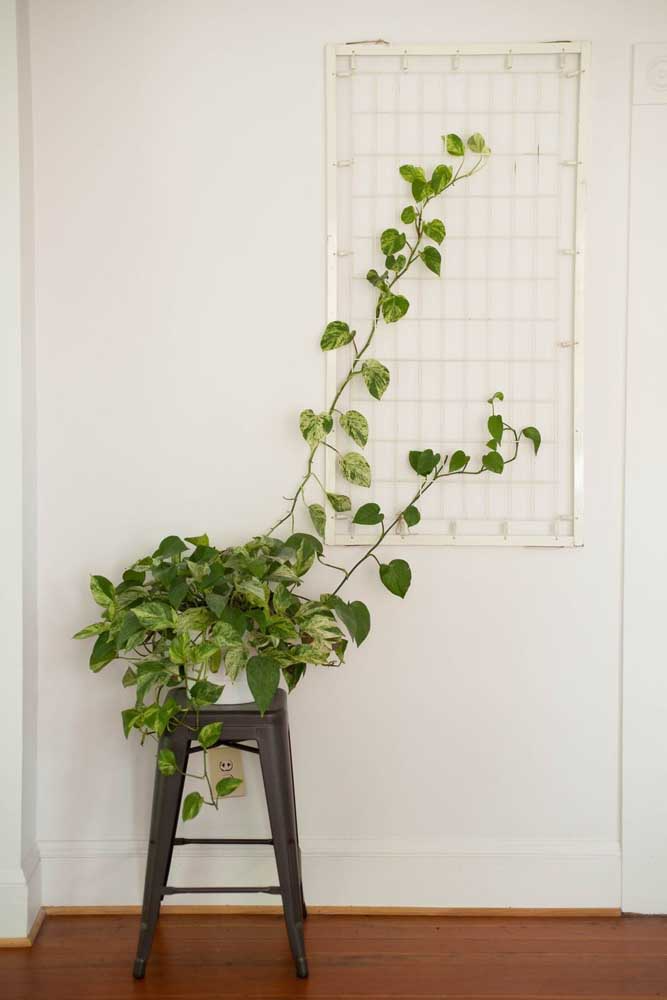
Now that you know more about climbing plants, how about we talk a little more about the care these species may require from those who grow them?
If a small plant – such as a fern or a snake plant – already requires a certain amount of care, a plant as large as a climbing plant may end up requiring much more attention.
Of course, each species has its own needs and particularities – including when we talk about species for indoor environments and plants for the garden/backyard.
But, in general, there are some precautions that must be taken into consideration.
Below, we list 3 precautions related to climbing plants that you should take when cultivating these plant species!
Attention to pruning is essential when we talk about climbing plants.
In addition to paying attention to how you fertilize and water your plant, another very important point when we talk about plant species is how you prune it.
After all, it's not just a matter of letting the plant grow without stopping. This is because, when pruning is not carried out with a certain frequency and the plant's growth happens uncontrollably, it tends to look ugly and unkempt.
Therefore, to ensure that your climbing plant always remains beautiful and healthy, it is worth paying extra attention to pruning.
Be patient and know how to respect your plant's growth time
It's no secret that each plant has its own growth time. And a plant the size of a climbing plant can take even longer to reach a size that attracts attention.
Therefore, the tip is to know how to respect the plant's time. While some species may grow faster, others may take longer. In any case, patience should always come first when growing a climbing plant.
Make sure your climbing plant has fertile, nutrient-rich soil
This is one of those essential items for any plant. And it's no different with climbing plants!
To do this, you need to pay close attention to whether your climbing plant is receiving the nutrients it needs to grow in the best possible way.
And boosting the nutrients in the soil where the vine grows is easier than you might think. In stores specializing in gardening and landscaping products, you can find several options of products that will help you with this task, such as special fertilizers, for example.
Conclusion
So, did you enjoy learning a little more about caring for climbing plants?
As you can see throughout the text, despite requiring certain care in relation to their cultivation, climbing plants are gaining more and more space in the landscaping area.
And if you want to choose this type of plant to decorate your home, this is the ideal opportunity for you to start!
With the right care and giving your plant lots of love and attention, I'm sure it will develop well and will grow healthier and full of life!
Did you like the material we prepared for you? Then I think you should take advantage of it and check it out too. Sword of Saint George: Learn how to plant and care for it!
