How to set up a functional kitchen on a low budget
Advertisements
Mount a functional kitchen on a low budget It's more than a question of economics: it's an exercise in creativity, planning and strategic choices.
After all, the kitchen is the heart of the home, where functionality meets the pleasure of cooking and sharing moments.
But how can you transform this space into a practical and welcoming environment without spending a fortune?
In this article, we will explore smart strategies, practical examples and innovative solutions to create a kitchen that meets your needs, respects your budget and still reflects your personality.
With careful planning and informed decisions, you can build an efficient space without compromising aesthetics or practicality.
Find out more!
Planning: The foundation of a functional kitchen on a low budget
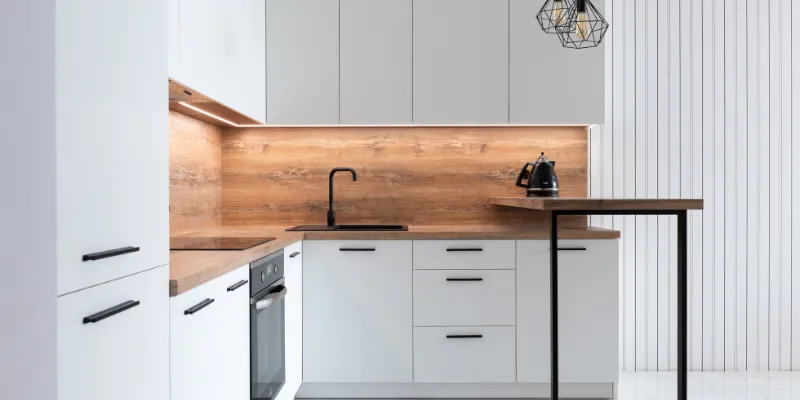
Before purchasing any item, planning is key to avoiding waste and ensuring that every penny is well invested.
Start by mapping out your needs: how many people use the kitchen daily?
What kind of meals do you prepare?
These questions help you prioritize essentials, like storage space or must-have appliances.
For example, a large family may need a larger refrigerator, while a single person may invest in a compact stove.
This way, you avoid impulsive purchases and focus on what really matters.
Additionally, creating a detailed budget is essential.
List all the necessary items, from furniture to furniture, and research prices across different stores, including online and second-hand options.
A survey by Proteste, carried out in 2023, revealed that 68% of Brazilians can save up to 30% by comparing prices before buying household appliances.
So, take the time to explore thrift stores, clearance sites, or seasonal sales.
This approach not only reduces costs, but also allows you to find unique pieces that add character to your kitchen.
Finally, think of the layout of the space as a puzzle.
A functional kitchen on a budget is like a game of chess: each piece must be positioned with purpose.
Sketch out the layout, considering the “work triangle” (sink, stove and refrigerator) to optimize flow.
If space is tight, explore vertical solutions like shelves instead of expensive cabinets.
With a well-thought-out plan, you transform limitations into creative opportunities.
Smart choices: Prioritizing the essential without sacrificing quality
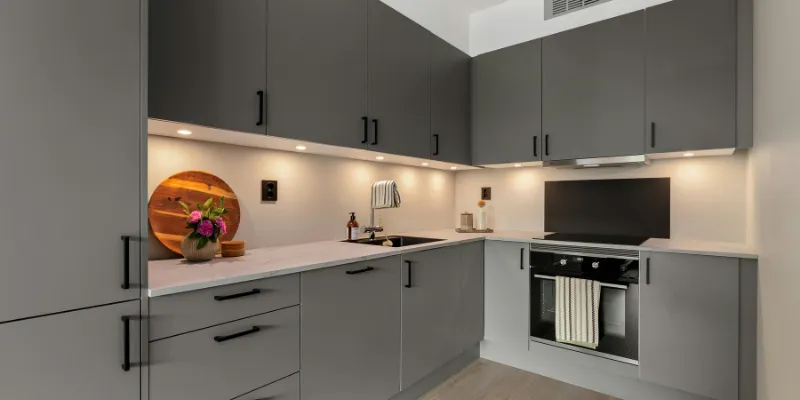
When budget is limited, every choice must balance cost and durability.
Instead of opting for premium brand appliances, look for models from trusted brands that are good value for money.
For example, a multi-purpose blender can replace several smaller pieces of furniture, such as a food processor.
Additionally, refurbished appliances, often available at specialty stores, offer quality at reduced prices, as long as you check the warranty.
When it comes to furniture, modularity is your ally.
Folding workbenches or trolleys kitchen with wheels are versatile options that adapt to small spaces and can be relocated as needed.
Also consider alternative materials, such as plywood marine pallets or treated pallets, which are affordable and durable.
For example, a bench made from pallets can cost less than R$ 100 and, with a good finish, rivals more expensive options in terms of aesthetics and functionality.
Another crucial point is to invest in items that offer long-term returns.
Good quality panels, for example, may be more expensive initially, but they will last for years and save you money on replacements.
Likewise, choose taps with aerators, which save water consumption.
These choices reflect an investment mindset: spend a little more now to save for the future.
++ How the Japanese organize their homes to live better
After all, why sacrifice quality when you can combine intelligence and economy?
Reuse and creativity: Transforming the old into new
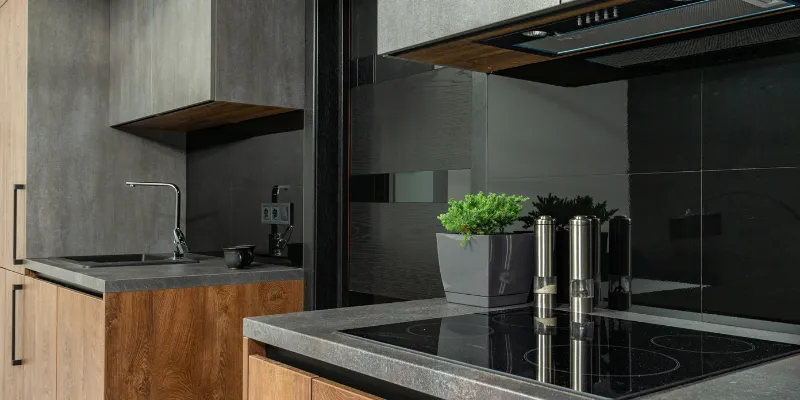
Repurposing items is one of the most effective ways to create a functional kitchen on a budget.
Instead of buying new cabinets, give your existing ones a makeover with a coat of paint or vinyl decals.
For example, a reader named Ana transformed her old kitchen by painting the cabinets white and replacing the handles with recycled metal models, spending just R$ 150.
The result was a modern and personalized kitchen, without the need for major renovations.
Furthermore, everyday objects can gain new functions with a touch of creativity.
Market crates, for example, can be stacked and fixed to the wall to create rustic shelves.
Even used glass jars, such as jelly jars, can serve as spice organizers or utensil holders.
This approach not only reduces costs, but also adds a unique charm to the space, making it an extension of your personality.
Finally, reuse goes beyond physical objects.
Consider space as a resource to be explored.
An underutilized corner can house a narrow spice rack, while the tops of cabinets can store less frequently used items.
ANDThis upcycling mentality is like watching a plant: with care and attention, even the simplest resources blossom into functional solutions.
Organization: Maximizing space with affordable solutions
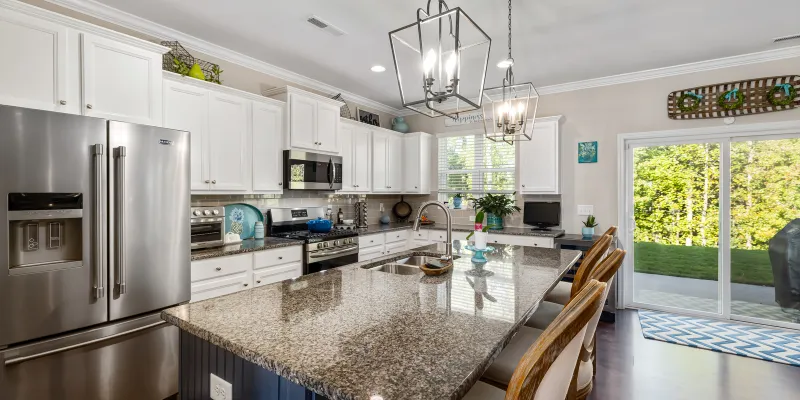
Image: Canva
Organization is the key to a functional kitchen, especially when you're on a tight budget.
Start by dividing the space into zones: an area for preparation, another for storage, and one for cleaning.
Adhesive hooks, which cost less than R$ 10 at home improvement stores, can be used to hang furniture or cloths, freeing up drawers.
This way, you keep everything accessible without taking up private space.
Additionally, invest in inexpensive organizers, such as plastic baskets or drawer dividers, to keep items in place.
For example, John, a college student, equips his small kitchen using shoe boxes lined with contact paper to separate cutlery and accessories, spending less than R$ 20.
This simple solution transformed a chaotic space into a functional environment, proving that organization doesn’t have to be expensive.
Finally, maintaining organization is just as important as implementing it. Set aside a few minutes each week to tidy up Secondary
System: Take a look at the items and check that they are in the correct place.
This routine prevents disorder from compromising functionality again.
With practical and economical solutions, you can transform even the smallest kitchen into an efficient and pleasant space.
Sustainability: Savings that benefit your pocket and the planet
A functional kitchen on a budget can also be sustainable, reducing long-term costs and minimizing environmental impact.
Choose equipment with an energy rating of A or higher, which consumes less electricity.
For example, an energy-efficient refrigerator can save you up to R$200 per year on electricity bills, depending on usage.
This way, you can also generate financial savings with a positive impact on the environment.
Additionally, adopt practices such as buying food in bulk to reduce packaging and planning meals to avoid waste.
Reusing leftovers in new recipes, such as turning stale bread into farofa, is another way to save money.
These choices create a virtuous cycle: less expense, less waste, and a kitchen that functions as a fine-tuned system.
Finally, consider growing fresh herbs at home using recycled jars or tin cans.
A small garden of basil, parsley and chives can cost less than R$30 to start and provide fresh ingredients for months.
This approach is like planting a financial seed: a small initial investment generates ongoing returns, both in your bank account and in the quality of your meals.
Functional kitchen on a low budget: Frequently Asked Questions
| Question | Response |
|---|---|
| Is it possible to set up a functional kitchen spending less than R$1,000? | Yes, with planning and smart choices, such as buying used items, reusing materials and prioritizing the essentials, it is possible to set up a basic and functional kitchen for less than R$1,000. |
| What are the essential appliances for a functional kitchen? | A stove, refrigerator, and blender are enough for most basic needs. Prioritize models with good energy efficiency to save money in the long run. |
| How to organize a small kitchen without spending a lot? | Use solutions like adhesive hooks, grocery bins, and inexpensive organizers like plastic baskets to maximize space. Divide your kitchen into functional zones and maintain organization on a weekly basis. |
| Is it worth investing in more expensive items? | Yes, as long as they are prepared items, such as quality pans or water-saving taps, which generate savings in the long term. |
| How to make a kitchen more sustainable? | Opt for efficient equipment, such as bulk, reuse leftovers and home-grown herbs to reduce costs and environmental impact. |
Functional Kitchen on a Budget: Conclusion
Setting up a functional kitchen on a low budget is a challenge that combines creativity, planning and conscious choices.
By prioritizing the essentials, reusing materials and organizing the space intelligently, you create an environment that not only meets your needs, but also reflects your style.
Furthermore, adopting sustainable practices guarantees long-term savings and benefits for the planet.
So why not turn your financial limitations into an opportunity to innovate?
With the right strategies, your kitchen can be a space where functionality, beauty and economy coexist harmoniously.